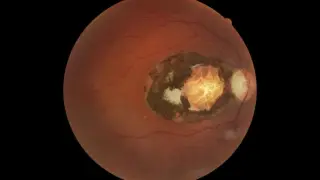
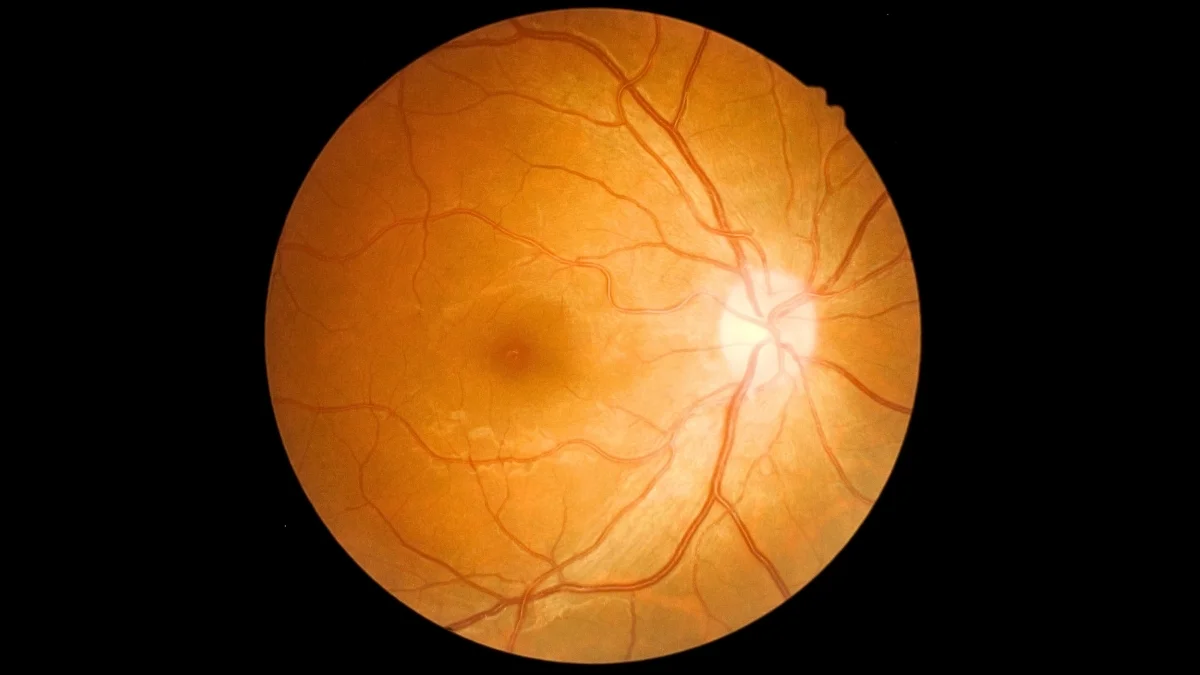
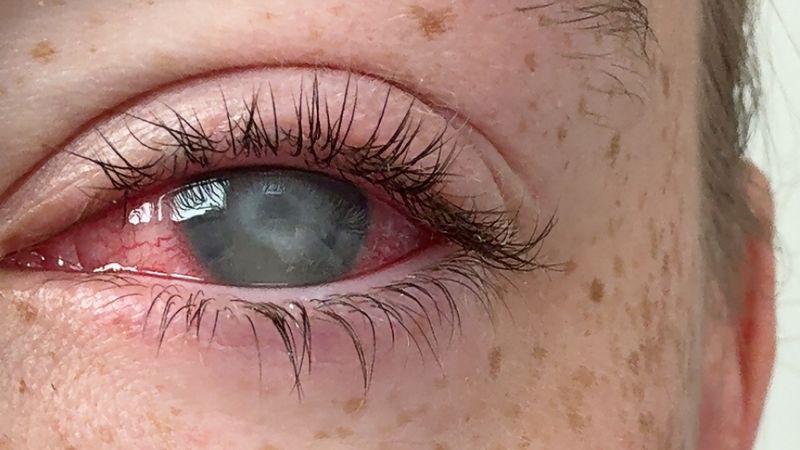
A single-dose gene therapy has successfully repaired damaged retinal connections in adult dogs, offering hope for treating inherited vision loss in humans. The treatment, tested on whippets with a faulty CaBP4 gene, restored vision and neural structures previously thought impossible to repair in mammals.
Charles Jourdain says he waved off his UFC 331 bout with Marlon Vera after temporarily losing sight on the third-round knockdown, deciding not to risk further head trauma.
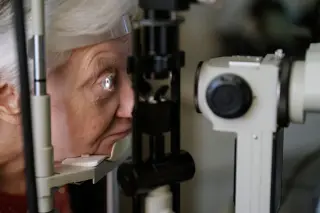
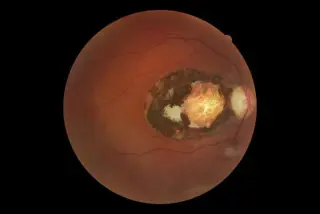
A 97-year-old with age-related macular degeneration experiences vivid visual hallucinations—hallucinations that are a normal brain response to sight loss called Charles Bonnet syndrome. Brain studies link such imagery to heightened activity in visual areas when input from the eyes is reduced. Awareness and open discussion help ease anxiety and stigma, and many people experience a reduction in intensity or frequency over time.
Australian researchers report a rising number of tattoo-associated uveitis cases, a rare inflammatory condition in which an immune reaction to tattoo pigments affects the eye, sometimes leading to blurred vision or permanent sight loss. Nelize Pretorius’ experience is highlighted alongside dozens of similar cases, suggesting that ink on the back can trigger an immune response that targets eye tissue. Doctors emphasize early treatment to prevent glaucoma or lasting damage, though the exact mechanism remains unclear.
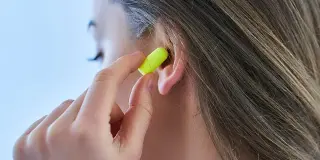
A preventive neurologist says hearing and vision loss are two overlooked risk factors for cognitive decline and dementia. While the exact mechanisms are still being studied, sensory loss may contribute to social isolation and reduced brain stimulation, potentially raising dementia risk. A 2024 Lancet study cited suggests mitigating such risk factors could prevent about half of dementia cases. Practical steps include protecting hearing with earplugs at loud events, wearing UV-blocking sunglasses, taking screen breaks, and staying socially and cognitively engaged, along with regular vision/hearing screenings.
A surge in GLP-1 drugs like Ozempic for weight loss has spurred thousands of lawsuits alleging serious gastrointestinal injuries and vision loss, with potential damages reaching billions; regulators say shortages have eased, while manufacturers defend the drugs’ safety.
A new study warns that as much as one-third of the world’s population could be infected with Toxoplasma gondii, a parasite linked to cats and surrounding sources that is a leading cause of eye infections and potential permanent vision loss. The researchers urge WHO to recognize toxoplasmosis as a neglected tropical disease to unlock funding for research, prevention, and treatment, and call for improved food safety, clean water, sanitation, antenatal care, and a One Health approach that includes managing stray cats.
An international team urges the WHO to designate Toxoplasma gondii infection as a neglected tropical disease, arguing it infects about 10% of Americans and can cause congenital problems and sight‑threatening eye disease; labeling it a NTD could boost funding for vaccines, diagnostics, and prevention through safer food systems, clean water, and prenatal care.
A large look at FDA adverse-event data suggests Wegovy (high-dose semaglutide) has a rare link to NAION, an “eye stroke” that can cause sudden vision loss, with men at higher risk than women. Wegovy shows a stronger association than Ozempic, possibly due to rapid weight loss and blood‑pressure fluctuations, but the overall risk remains very small and more research is needed.
Tattoo-associated uveitis is a rare immune-driven eye inflammation that can occur after getting a tattoo, potentially allowing ink-related immune responses to breach the eye’s blood-ocular barrier. While most people don’t react to tattoo inks, some develop inflammation in the uvea that can lead to glaucoma, cataracts, or permanent vision loss if untreated. Larger tattoos and black ink may pose higher risk, and individuals with autoimmune or inflammatory conditions might be more susceptible. Treatments include steroid eye drops or injections and, in some cases, long-term immunosuppressants, but about 75% experience temporary vision loss and 17% permanent loss. If you notice swelling, pain, or redness around the eye, seek prompt evaluation from an optometrist or ophthalmologist; the number of cases may rise as tattoos remain popular.
Tattoo-associated uveitis is a rare condition where chemicals in tattoo ink trigger an immune reaction that can breach the eye’s blood-ocular barrier and inflame the uvea, potentially causing pain, redness and light sensitivity. If left untreated, it may lead to glaucoma or cataracts and permanent vision loss. Australian studies show rising cases, with larger tattoos and black ink more often implicated, and risk factors including immune-related conditions like multiple sclerosis or certain arthritides. Treatments include steroid eye drops or injections and immunosuppressants, but outcomes vary (roughly 75% temporary vision loss and 17% permanent in some cases). If eye swelling or vision problems occur after a tattoo, consult an optometrist promptly for evaluation and possible referral to a specialist.
David Furnish says Elton John is keeping busy and moving forward despite ongoing health issues, enjoying family time at home with their sons as they prepare for the Elton John AIDS Foundation Oscars Viewing Party; John has previously discussed vision loss and mobility challenges from past injuries.
Researchers report 40 new Australian cases of tattoo-associated uveitis, a rare inflammatory eye condition that can cause glaucoma and permanent vision loss; cases often appear years after tattooing and largely involve black ink. Most patients require long-term immunosuppressants, leading experts to call for more research into ink ingredients and safer alternatives.
Acanthamoeba keratitis is a rare but serious eye infection primarily affecting contact lens wearers, caused by a parasite found in water and soil, which can lead to permanent vision loss if not diagnosed and treated early. Proper lens hygiene, avoiding water contact, and prompt medical attention are crucial for prevention and management.
Recent research identifies high LDL cholesterol in mid-life and untreated vision loss as two new, modifiable risk factors for dementia, accounting for about 9% of cases globally. Early detection and management of these factors through lifestyle changes, medical intervention, and regular health check-ups can significantly reduce the risk of developing dementia.