
Greengrass’s ‘The Uprising’ Reimagines 1381 Revolt as Modern Parable
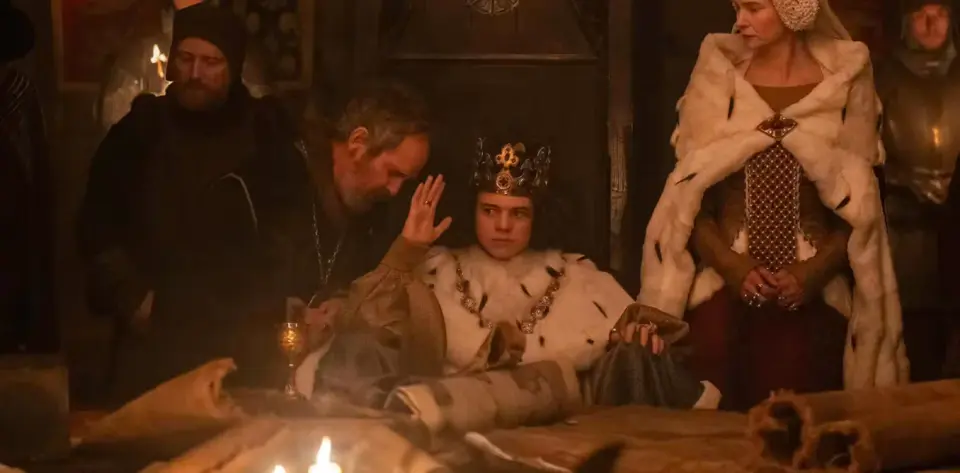
Paul Greengrass’s new film, 'The Uprising,' dramatizes the 1381 English Peasants' Revolt through the lens of a fictional, unnamed farmer. While critics debate its historical accuracy and stylistic coherence, the film uses the medieval uprising to draw sharp parallels with contemporary economic inequality and political power dynamics.
Key points
- Andrew Garfield stars as 'The Ploughman,' a fictional everyman who leads the rebellion against unfair taxes and serfdom, rather than focusing on historical figures like Wat Tyler.
- The film, directed by Paul Greengrass, utilizes a handheld 'shaky cam' style to create a visceral, documentary-like feel, emphasizing the chaos and immediacy of the revolt.
- The 1381 revolt was triggered by a poll tax, labor shortages from the Black Death, and the Statute of Laborers, which froze wages and maintained feudal obligations.
- Rebels marched on London, briefly breached the Tower of London, and executed royal officials, including Archbishop Simon Sudbury and Treasurer Robert Hales.
- King Richard II initially agreed to abolish serfdom and the poll tax but later recanted, leading to the suppression of the revolt.
Background
The 1381 Peasants' Revolt occurred in England following the Black Death, which created a labor shortage and increased peasant bargaining power. The 1351 Statute of Laborers attempted to freeze wages, leading to growing resentment. The revolt began in May 1381 in Essex and spread to London, where rebels demanded the abolition of serfdom and fairer taxation. Although the revolt failed, it marked a significant moment in the history of popular political action in medieval Europe, challenging the notion that medieval people were politically passive.
How outlets are covering it
Critics offer mixed views on 'The Uprising.' The Los Angeles Times praises Greengrass’s direction and Garfield’s performance, noting the film’s modern relevance and visceral impact. The New Yorker criticizes the film as 'scattershot,' arguing that the handheld camera style feels incongruous with the historical setting and that the plot is confusing. Smithsonian Magazine provides historical context, highlighting the film’s focus on ordinary people rather than famous leaders, and notes the real-world violence and political demands of the 1381 revolt. The Conversation emphasizes the broader historical trend of medieval popular revolts, using the film as a case study to challenge the stereotype of medieval obedience.
Why it matters
The film serves as a cultural touchstone for discussions on economic inequality, political power, and the right to protest. By framing the 1381 revolt through a modern lens, it invites viewers to draw parallels between historical struggles for justice and contemporary issues, highlighting the enduring nature of conflicts over authority and resource distribution.
What to watch
The film is currently in wide release in the United States. Audiences and critics will continue to debate its historical accuracy and artistic merit. The film’s marketing confusion, including a trailer that mistakenly linked it to Robin Hood, may also impact its reception and public understanding of the historical event.
- ‘The Uprising’ shows how medieval people weren’t so obedient after all The Conversation
- Review: Andrew Garfield gets medieval in 'The Uprising,' about a revolt that speaks to today Los Angeles Times
- “The Uprising” Is a Grim But Scattershot History Lesson The New Yorker
- The Real Story Behind 'The Uprising' and the 1381 Peasants' Revolt Smithsonian Magazine
- ‘A Soul Awakening’: Andrew Garfield on the Catholic Heart of ‘The Uprising’ National Catholic Register
Want the full story? Read the original reporting
Read on The Conversation