
National Symphony Orchestra abandons Kennedy Center for regional tour amid renovation closure
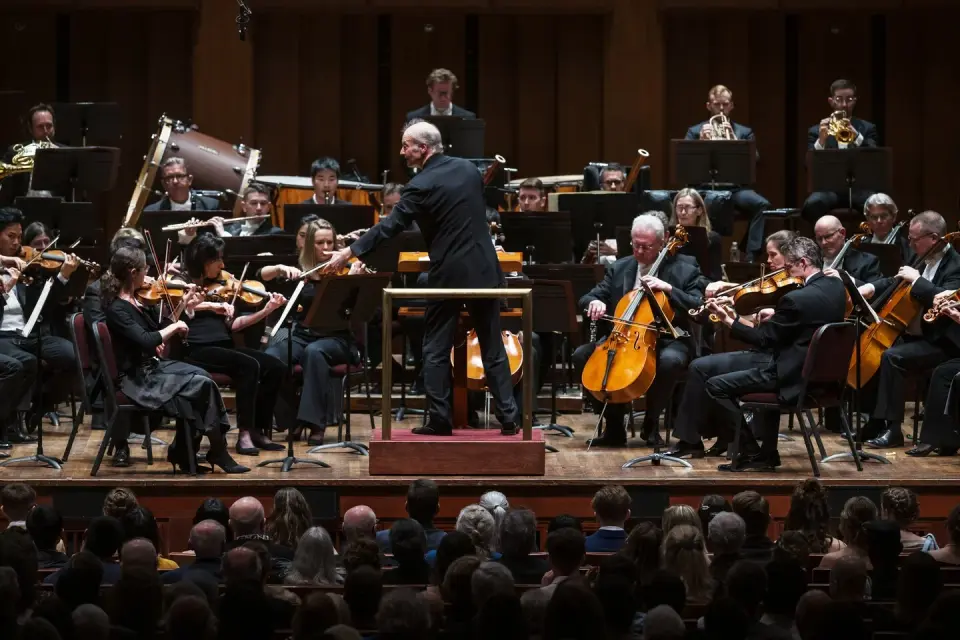
The National Symphony Orchestra (NSO) has announced its 2026-27 season will be performed entirely outside the Kennedy Center, its home for over 50 years. The ensemble will stage approximately 60 concerts across six venues in the Washington, D.C., region, including George Washington University and the University of Maryland. This decision follows a planned two-year closure of the Kennedy Center for renovations under a board of Trump loyalists. The season announcement was delayed by five months compared to the previous year, and ticket sales have dropped significantly, falling from 72% capacity in 2024 to 41% in 2025. Despite the financial strain, the NSO plans to continue rehearsing at the Kennedy Center and keep its offices there during the construction.
Key points
- The NSO will perform at six venues: Lisner Auditorium (GWU), Lincoln Theatre, Music Center at Strathmore, George Mason University, Rachel M. Schlesinger Concert Hall (Alexandria), and Clarice Smith Performing Arts Center (UMD).
- The season includes 24 concerts at GWU, 13 at Strathmore, 9 in Alexandria, 8 at George Mason, and 2 each at UMD and the Lincoln Theatre.
- The Kennedy Center board, led by Trump allies, announced a two-year closure for renovations and plans to add Trump's name to the building's facade.
- Ticket sales for the NSO declined from 72% of capacity in 2024 to 58% in 2025 and 41% in 2025-26, according to The Washington Post.
- Tickets for the new season go on sale August 28, 2026, with the opening concert on September 26, 2026.
Background
The NSO has faced a severe financial crisis since the Trump administration took control of the Kennedy Center in 2025. Previous coverage noted a sharp drop in ticket sales and donations, leading to a two-year revenue free-fall. The orchestra's summer residency at Wolf Trap National Park for the Performing Arts has been a notable exception, exceeding sales projections and drawing packed houses, offering some resilience against the broader decline.
How outlets are covering it
The Washington Post emphasizes the 'conspicuous absence' of the NSO from the Kennedy Center and frames the move as a response to the 'crisis' caused by the Trump takeover, highlighting the financial struggles and audience opposition. The Associated Press, via ALXnow, focuses on the logistical details of the new venues and the specific concert counts, while noting that the NSO's summer residency at Wolf Trap exceeded projections. Both sources agree on the core facts but differ in emphasis: The Post highlights the political and financial crisis, while the AP focuses on the practical arrangements and the hope that performing away from the Kennedy Center might attract audiences who avoided the center due to political reasons.
Why it matters
The NSO's move signals a significant shift in the cultural landscape of Washington, D.C., as the nation's preeminent orchestra abandons its historic home due to political interference. The decision reflects the broader impact of the Trump administration's control of the Kennedy Center on the performing arts community, potentially setting a precedent for other institutions facing similar pressures. The financial decline and the move to regional venues may also affect the accessibility and visibility of classical music in the capital region.
What to watch
The NSO will begin its new season on September 26, 2026, with tickets going on sale on August 28, 2026. The Kennedy Center is expected to close for a two-year renovation, with the board planning to add Trump's name to the building's facade. The NSO will continue to rehearse at the Kennedy Center and maintain its offices there during the construction, but its public performances will be held at the six regional venues.
- National Symphony Orchestra announces season outside the Kennedy Center The Washington Post
- National Symphony Orchestra to play at 6 DMV venues next season instead of Kennedy Center WJLA
- NSO Finally Announces Its Non-Kennedy Center Season Washingtonian
- The National Symphony’s Next Season Will Be Miles From the Kennedy Center The New York Times
- National Symphony Orchestra to utilize Alexandria venue amid Kennedy Center shutdown plans ALXnow
Want the full story? Read the original reporting
Read on The Washington Post