
Visa Denials Bar Two Global Finalists From 2026 National Book Awards Ceremony
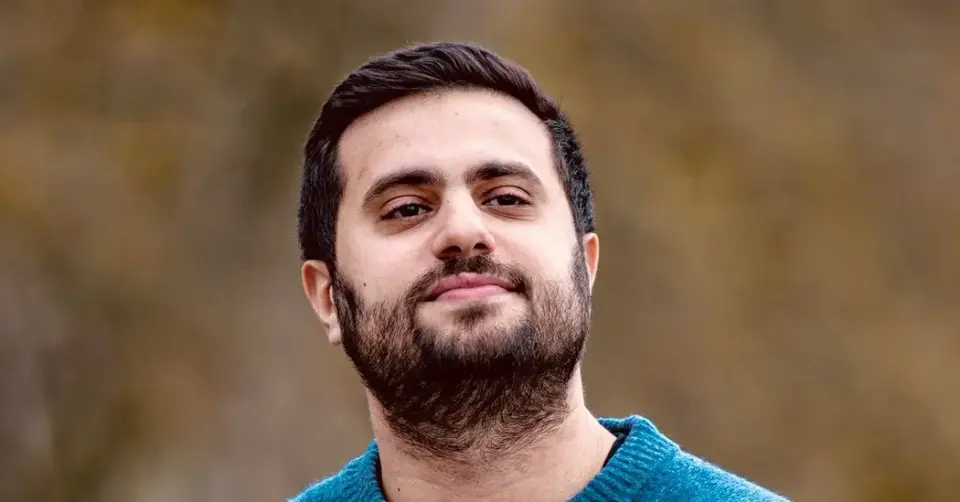
The 77th National Book Awards ceremony will proceed without two finalists, Egyptian author Abdelrahman ElGendy and Syrian translator Samar Yazbek, who were denied US visas. While the National Book Foundation criticized the exclusion, the State Department defended the denials as standard enforcement of immigration laws. The event, hosted by Kyle MacLachlan, will still feature winners in five categories and a lifetime achievement award for Salman Rushdie.
Key points
- Abdelrahman ElGendy, a nonfiction finalist for 'Huna,' was denied a US visitor visa despite providing proof of European residency and a confirmed itinerary for the ceremony.
- Samar Yazbek, a finalist in the books in translation category, was also denied entry to the United States for the event.
- The National Book Foundation issued a statement calling it 'unjust' that some finalists cannot participate in in-person programming, while the State Department declined to comment on specific cases.
- The 77th National Book Awards ceremony is scheduled for Wednesday at Cipriani Wall Street in New York City, hosted by actor Kyle MacLachlan.
- Salman Rushdie will receive a medal for lifetime achievement, and winners in fiction, nonfiction, translation, young people's literature, and poetry will each receive $10,000.
Background
The 2026 National Book Awards have drawn attention for their global scope, with finalists representing diverse backgrounds and locations. Previous coverage highlighted the diverse writing habits and personal influences of the nominees, including ElGendy’s background as a former political prisoner in Egypt. The eligibility criteria for the awards were expanded in 2024 to include authors with permanent residence or those whose primary home is in the US, a change that allowed ElGendy to submit his work despite his current residency in Europe.
How outlets are covering it
The New York Times and The New Yorker focus heavily on the personal narrative of Abdelrahman ElGendy, detailing his extensive preparation for the visa interview and the emotional impact of the denial. The New Yorker piece, written by ElGendy himself, provides a first-person account of the bureaucratic hurdles and his history of political incarceration. In contrast, Yahoo News and the Associated Press present a broader overview of the ceremony, noting that two finalists are excluded but emphasizing the global nature of the lineup and the official statements from the National Book Foundation and the State Department. The State Department’s response, cited by Yahoo, frames the visa denials as part of a broader policy of 'fully enforcing US immigration laws,' whereas the National Book Foundation’s statement, also cited by Yahoo, highlights the inequity of excluding recognized literary figures from the event.
Why it matters
The visa denials highlight the intersection of literary recognition and immigration policy, raising questions about the accessibility of major cultural events for international authors. The exclusion of finalists from the ceremony underscores the practical barriers faced by writers from countries with complex diplomatic or political relationships with the United States. It also reflects the ongoing debate over the balance between national security interests and the promotion of cultural exchange and recognition.
What to watch
The 77th National Book Awards ceremony will take place on Wednesday in New York City, with winners announced in five categories. The event will feature a lifetime achievement award for Salman Rushdie and musical performances by Michelle Zauner. The National Book Foundation may continue to advocate for the inclusion of all finalists in future events, while the State Department is expected to maintain its current visa enforcement policies.
- National Book Award Finalist May Be Ineligible for the Prize The New York Times
- Meet the 2026 National Book Award Finalists Literary Hub
- A global National Book Awards lineup, but 2 finalists can't enter the US Yahoo
- Egyptian Writer Abdelrahman ElGendy Blocked from Entering the U.S. Democracy Now!
- I Am a 2026 National Book Award Finalist. The U.S. Denied My Visa The New Yorker
Want the full story? Read the original reporting
Read on The New York Times