
Contractor Lawsuits Challenge Lucas Museum’s Private Status Amid $30 Annual Lease
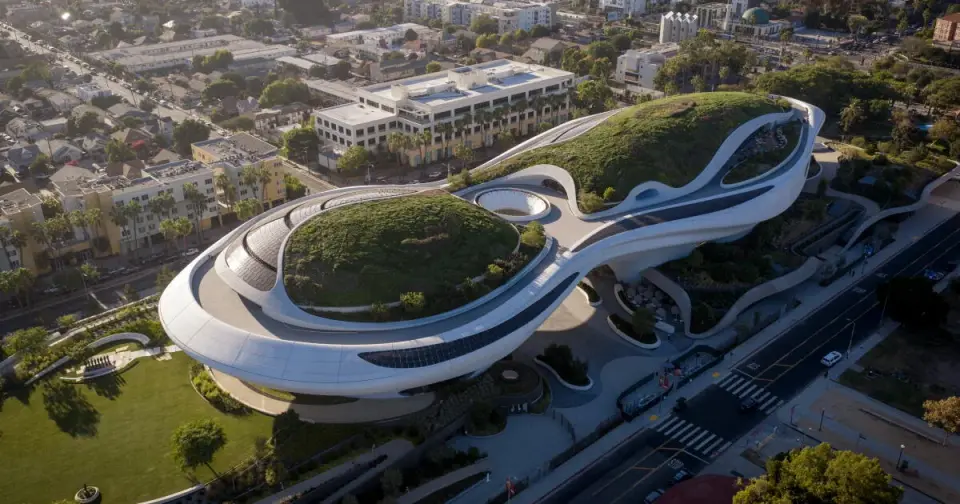
Four contractors have sued the Lucas Museum of Narrative Art for unpaid bills, with one suit alleging the museum illegally bypassed public works regulations by labeling its $1 billion project as private despite a $30 annual state land lease. The museum, which opens Sept. 22, defends its status as a private gift, citing significant public benefits like new parking and park upgrades, while critics argue the nominal rent triggers mandatory public contract codes.
Key points
- J.E. Snyder Electric filed a $1.9 million lawsuit alleging the museum and its prime contractor, Hathaway Dinwiddie, falsely labeled the project as private to avoid California public works bonding and registration requirements.
- The dispute centers on a 99-year lease for state-owned land in Exposition Park costing only $30 annually, which the plaintiff argues classifies the construction as a public work under the California Labor Code.
- The Lucas Museum’s attorney, Orin Snyder, rejected the claim as a 'fiction,' stating the project is entirely privately funded with no public debt, and that the low rent is part of a broader exchange involving $490,000 to $2.1 million in annual parking fees and infrastructure upgrades.
- Three additional contractor lawsuits seek between $272,000 and $439,000, while Hathaway Dinwiddie has separately sued the museum for breach of contract involving over $35,000.
- The legal challenges arise as the museum prepares for its Sept. 22 grand opening, eight years after its 2018 groundbreaking, following delays caused by the pandemic and site selection issues in Chicago and San Francisco.
Background
The Lucas Museum of Narrative Art, co-founded by George Lucas and Mellody Hobson, has been a long-delayed project in Los Angeles. Previous coverage noted its ambitious 300,000-square-foot design and its mission to elevate 'narrative art' across various media. The museum’s site selection was contentious, with Lucas previously pursuing locations in Chicago and San Francisco before settling on Exposition Park in 2017. The current legal disputes highlight ongoing tensions regarding the definition of public versus private development in cultural institutions.
How outlets are covering it
The Los Angeles Times and New York Post emphasize the legal argument that the $30 annual lease triggers public works regulations, highlighting the contractor’s claim that the museum bypassed bonding mandates. CNN and LAist focus on the museum’s imminent opening and its cultural significance, noting the diverse collection and architectural design, while acknowledging the legal backdrop. The museum’s attorney, Orin Snyder, counters the legal claims by emphasizing the private funding and public benefits provided, such as 1,375 new parking spaces and park renovations, arguing that the nominal rent is a standard practice for cultural institutions.
Why it matters
The outcome of these lawsuits could set a precedent for how cultural institutions in California are classified under public works laws, potentially affecting future land deals and construction projects involving state-owned property. It also raises questions about the transparency and accountability of large private cultural gifts that utilize public land.
What to watch
The courts will determine whether the $30 annual lease classifies the Lucas Museum as a public work, which could impact the validity of the contractor’s claims for unpaid wages and bonding requirements. The museum’s Sept. 22 opening will proceed regardless, but the legal disputes may affect future construction projects and land deals in California.
- As $1-billion Lucas Museum is set to open, contractor sues over unpaid bills Los Angeles Times
- Best things to do in LA and SoCal: Sept. 9-15 LAist
- George Lucas’ $1B museum dragged into scandal over using dark arts to bypass rules: suit New York Post
- Three cities, 16 years and $1 billion later, the Lucas Museum of Narrative Art opens CNN
- Will the Lucas Museum upend the art world? Depends if the people embrace 'the people's art' Los Angeles Times
Want the full story? Read the original reporting
Read on Los Angeles Times