
Industry Leaders Rally Behind Paramount-Warner Merger Amid State Legal Challenges
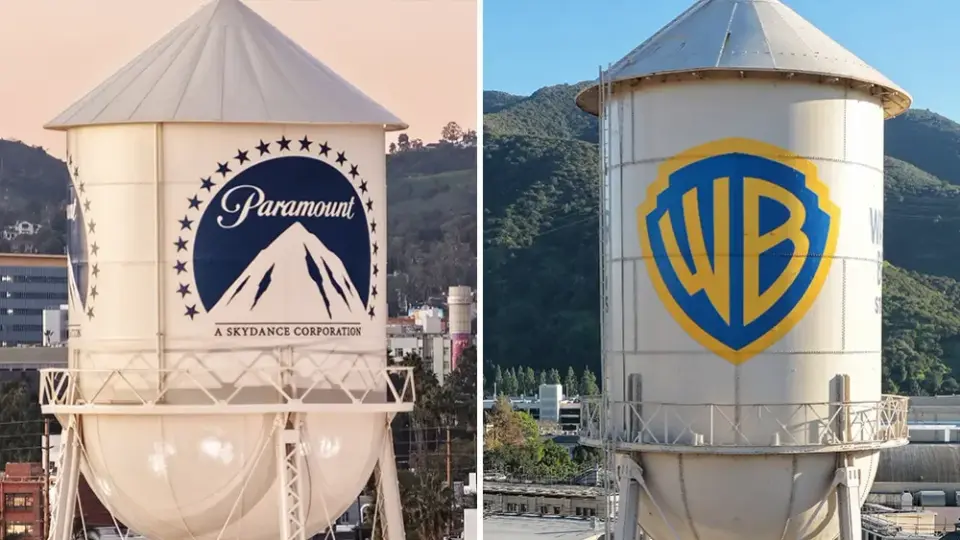
AMC Theatres CEO Adam Aron and WME executive Ari Emanuel have publicly endorsed the $111 billion merger between Paramount and Warner Bros. Discovery, arguing that the combined entity will provide the necessary scale to produce more theatrical films and protect the industry against tech competitors. While the deal has received regulatory approval in approximately 65 countries, a coalition of state attorneys general is suing to block the transaction, citing antitrust concerns. Proponents argue that the merger is essential for the theatrical industry's recovery, while opponents fear it will reduce competition and harm content creators.
Key points
- AMC Theatres CEO Adam Aron stated that the merger is necessary to ensure a steady supply of films for theaters, citing the decline in theatrical releases since the pandemic and industry strikes.
- Ari Emanuel, CEO of WME and TKO, argued that the state attorneys general's lawsuit is misguided and ignores the competitive landscape from streaming giants like Amazon and Netflix.
- The merger has received regulatory approval in approximately 65 countries, but a group of state attorneys general, including California, is suing to block the deal on antitrust grounds.
- David Ellison, CEO of Paramount, has committed to releasing at least 30 films theatrically each year with minimum 45-day premium video-on-demand and 90-day subscription video-on-demand windows.
- AMC reported its highest-ever revenues and Adjusted EBITDA in the second quarter of 2026, attributing the success to a resurgence in moviegoers, particularly among Gen Z.
Background
The Paramount-Warner Bros. Discovery merger has faced significant legal and regulatory hurdles since its announcement. In early July 2026, Paramount pushed back against a state antitrust challenge, arguing that the deal would not reduce output or raise prices for theaters. The company also sought a three-day evidentiary hearing to determine whether to block the merger, with a temporary restraining order in place. Additionally, Paramount's CEO David Ellison met with members of the House Ways & Means Committee to advocate for federal film tax incentives, while Oregon's attorney general sought a 60-day pause and document requests related to the merger. The deal has also faced opposition from the Writers Guild and SAG-AFTRA, which have filed their own antitrust suits or expressed concerns about the merger's impact on content creators.
How outlets are covering it
The perspectives on the Paramount-Warner Bros. Discovery merger are sharply divided. Proponents, including AMC Theatres CEO Adam Aron and WME executive Ari Emanuel, argue that the merger is necessary to ensure a steady supply of films for theaters and to protect the industry against tech competitors. They contend that the combined entity will have the scale and resources to produce more films and that the merger is essential for the theatrical industry's recovery. On the other hand, opponents, including a coalition of state attorneys general, the Writers Guild, and SAG-AFTRA, argue that the merger will reduce competition and harm content creators. They contend that the deal will give the combined entity too much power and that the state attorneys general's lawsuit is necessary to protect the industry. The Hollywood Reporter notes that the deal is controversial in the industry, with a slew of bold-faced names signing an open letter opposing the merger, while other industry supporters, including director James Cameron, have backed the deal.
Why it matters
The Paramount-Warner Bros. Discovery merger is a significant event in the entertainment industry, as it could reshape the landscape of film production and distribution. The merger has the potential to create a powerful combined entity with the scale and resources to produce more films and to compete with tech giants like Amazon and Netflix. However, the merger also raises concerns about antitrust and the impact on content creators. The outcome of the merger will have significant implications for the theatrical industry, as it could determine the future of film production and distribution in the United States and around the world.
What to watch
The next steps in the Paramount-Warner Bros. Discovery merger will depend on the outcome of the state attorneys general's lawsuit and the regulatory reviews in various countries. If the merger is blocked, it could have significant implications for the theatrical industry, as it could reduce the supply of films for theaters. If the merger is approved, it could create a powerful combined entity with the scale and resources to produce more films and to compete with tech giants. The outcome of the merger will also depend on the commitments made by David Ellison, including the release of at least 30 films theatrically each year and the minimum 45-day premium video-on-demand and 90-day subscription video-on-demand windows.
- AMC Theatres CEO Pushes for Paramount Warner Bros. Merger in Op-Ed Variety
- Opinion | The Paramount-Warner Merger Could Save Hollywood WSJ
- Opinion | A Setback for the MAGA Media Takeover The New York Times
- Ari Emanuel Supports Paramount-Warners Deal in New Op-Ed The Hollywood Reporter
- Cinema United Chief Michael O’Leary Blasts Paramount Warner Bros. Deal, Endorses Litigation to Delay Merger Variety
Want the full story? Read the original reporting
Read on Variety