
Booker Condemns Paramount-WBD Settlement as 'Price Tag,' Ignoring State AGs
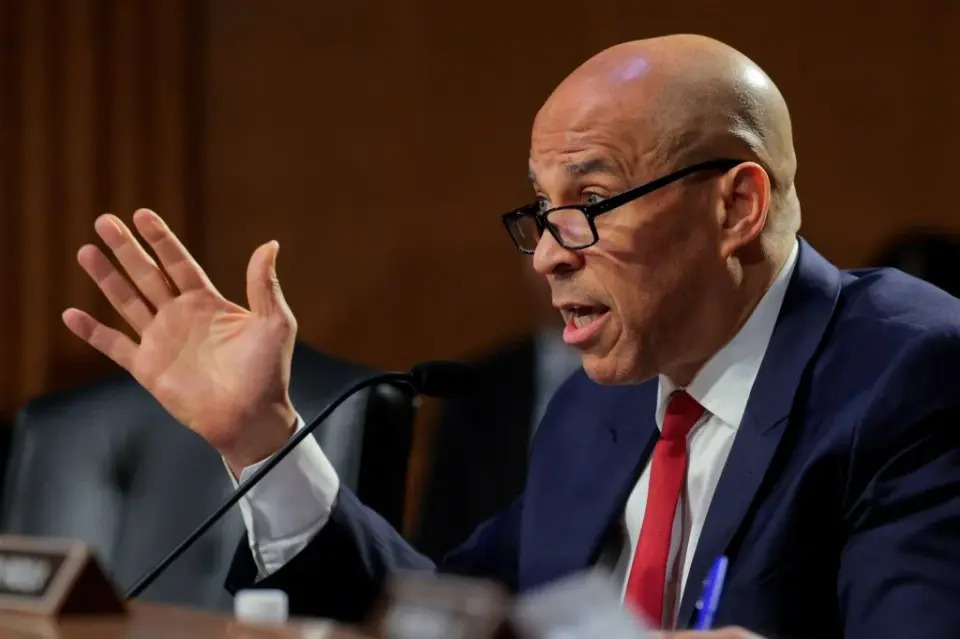
Sen. Cory Booker criticized the recent settlement between Paramount Skydance and state attorneys general, arguing that the deal allows a massive media merger to proceed without structural divestitures. While the agreement includes behavioral remedies and production quotas, Booker and other critics contend it fails to address the consolidation of the theatrical and cable markets. The settlement resolves the last major legal obstacle to the $111 billion merger, though it has sparked significant debate within Hollywood and among political figures regarding the adequacy of the concessions.
Key points
- Sen. Cory Booker stated that the settlement is a 'price tag' rather than justice, blaming the Justice Department and Paramount for the outcome.
- The consent decree requires the merged entity to release 30-32 theatrical films annually and spend an additional $300 million yearly on U.S. production.
- No divestitures are required unless the company fails to meet behavioral remedies, such as maintaining separate cable negotiations or honoring a five-year editorial board for CNN and CBS News.
- California Gov. Gavin Newsom supported the settlement to prevent Paramount from relocating its headquarters and jobs out of the state.
- Critics, including the Writers Guild of America and Sen. Mark Ruffalo, argue the deal is a 'huge win' for the administration and leaves journalists and workers vulnerable.
Background
The merger between Paramount Skydance and Warner Bros. Discovery has been contested by a coalition of 12 state attorneys general since early 2026. Previous tensions included threats from CEO David Ellison to relocate operations from California, leading to pressure from local officials like LA Mayor Karen Bass and Gov. Newsom to secure a settlement. The Writers Guild of America had previously criticized the push for a deal, arguing it forced a choice between immediate jobs and long-term industry health. The settlement resolves a ticking fee of $7 million per day that began accruing in September 2026.
How outlets are covering it
Deadline highlights Sen. Cory Booker's statement, which places blame on the federal government and the company rather than the state attorneys general. The Hollywood Reporter emphasizes the political pressure from Gov. Gavin Newsom and the economic risks of Paramount relocating, which led California AG Rob Bonta to accept the deal despite his initial opposition. NBC News notes the division within Hollywood, with some viewing the settlement as a failure to stop consolidation, while others see it as a necessary compromise to preserve jobs. Paramount's spokesperson countered that nearly 70 jurisdictions reviewed and agreed to the deal, calling it a victory for competition.
Why it matters
The settlement clears the final legal hurdle for one of the largest media mergers in history, combining two of the five major Hollywood studios. The outcome sets a precedent for how antitrust cases involving major media conglomerates are resolved, potentially influencing future regulatory approaches to media consolidation and the balance between structural divestitures and behavioral remedies.
What to watch
The merged company is expected to close the deal within a two-week window. Executives have warned of multiple rounds of layoffs in the fourth quarter as the company restructures. Sen. Booker has indicated he will examine other mergers approved by the current administration if Democrats gain control of the Senate in the upcoming midterms.
- Cory Booker Slams Paramount-WBD Merger Settlement But Blames Company And DOJ, Not State AGs Deadline
- Opinion | Hollywood Surrenders to the Ellison Empire The New York Times
- ‘We all got played’: Hollywood torn on Paramount settlement with AGs NBC News
- Paramount’s $49 Billion Debt Sale to Kick Off After Lawsuits End bloomberg.com
- California Vowed to Stop Paramount-Warner Bros. Merger. Why Did It Fold? hollywoodreporter.com
Want the full story? Read the original reporting
Read on Deadline