
Luxury Fashion Sees Major Creative Director Exits at Calvin Klein and McQueen
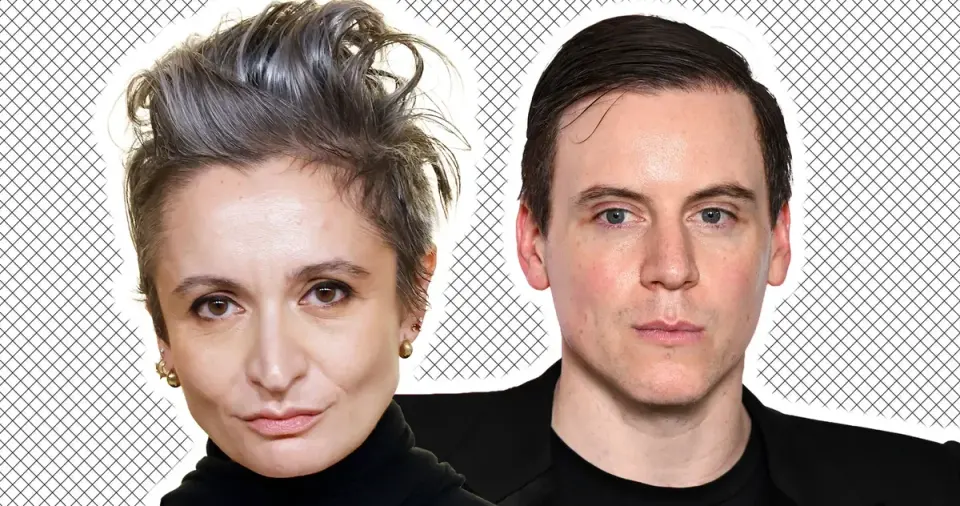
Veronica Leoni and Seán McGirr have departed as creative directors of Calvin Klein Collection and Alexander McQueen, respectively, following a period of mixed critical reception and commercial challenges. These exits follow Anthony Vaccarello's recent departure from Saint Laurent, signaling a broader trend of leadership instability in luxury fashion. While both designers showed improvement in their final collections, industry experts note that their work failed to meet the high commercial and creative standards expected of these iconic houses. Successors have not yet been announced, but speculation surrounds other potential departures, including Pierpaolo Piccioli at Balenciaga.
Key points
- Veronica Leoni left Calvin Klein Collection after two years, having joined in May 2024 to return the brand to the runway after a seven-year absence.
- Seán McGirr departed Alexander McQueen, where he succeeded Sarah Burton in 2023, despite strong celebrity custom work for figures like Zendaya and Kylie Jenner.
- Both designers' final spring 2027 collections were considered their strongest yet, yet critics noted a lack of distinct edge or 'heart' compared to their predecessors.
- Kering CEO Luca de Meo stated the goal is to establish a 'bold new direction' for McQueen, building on its heritage of tailoring and rebellion.
- Industry insiders suggest these exits are part of a larger wave of creative director changes, with rumors circulating about Pierpaolo Piccioli's tenure at Balenciaga.
- Calvin Klein's global brand president David Savman thanked Leoni for her 'fresh perspective' but emphasized the need for a more distinctive collection to drive retail interest.
Background
This latest round of departures follows the Armani Group's appointment of Dario Vitale as creative director for Emporio Armani and Accessories in September 2026, marking the first external hire since Giorgio Armani's death in 2025. That move highlighted the industry's ongoing struggle with succession planning and the pressure to find designers who can balance heritage with modern commercial viability. The current exits at Calvin Klein and McQueen reflect a similar tension between creative evolution and immediate retail performance, a challenge that has defined luxury leadership transitions in recent years.
How outlets are covering it
The Cut and WWD both highlight the improving critical reception of Leoni's and McGirr's final collections, noting that their spring 2027 shows were their 'strongest yet.' However, WWD emphasizes the commercial failure, citing that no major department stores listed Calvin Klein among their favorite collections, and quotes industry expert Robert Burke stating that 'better isn't enough' for such an iconic brand. The Cut focuses more on the critical reception, quoting Cathy Horyn's assessment that Leoni's work was 'too clean' and lacked 'edge,' while McGirr was seen as 'studiously looking in' rather than fully embracing the brand's rebellious spirit. Puck's coverage, while largely obscured by technical data in the provided source, aligns with the narrative of these breakups as part of a broader industry trend. Vogue's secondary source focuses on Leoni's red carpet moments, suggesting a different emphasis on her cultural impact versus her runway performance, though it does not provide new details on the departure itself. All sources agree that the departures were not entirely unexpected, with rumors circulating for months, but they differ in their assessment of whether the designers were given sufficient time to evolve their visions.
Why it matters
These departures underscore the intense pressure on luxury fashion houses to balance creative innovation with commercial performance. The fact that both Leoni and McGirr showed improvement in their final collections yet were still let go suggests that the industry's tolerance for gradual evolution is shrinking, particularly for iconic brands with strong historical legacies. This trend may signal a shift toward more immediate, high-impact creative leadership, potentially favoring designers with a more distinct, 'break-out' vision over those who refine existing codes. For consumers and the broader fashion industry, this could mean a faster pace of change in design aesthetics and a greater emphasis on celebrity-driven marketing over traditional runway influence, as seen in McGirr's success with custom red carpet looks. The instability at major houses like Calvin Klein and McQueen also reflects the broader challenges of succession planning in luxury fashion, a theme that has been prominent since the Armani Group's recent leadership changes.
What to watch
The immediate next step is the search for new creative directors for Calvin Klein Collection and Alexander McQueen, with both companies stating that successors will be announced 'in due course.' Industry speculation suggests that the departures may be part of a larger wave of changes, with rumors circulating about Pierpaolo Piccioli's potential exit from Balenciaga. The fashion industry will likely watch closely for how these new appointments are made, whether they favor established names or emerging talent, and how the new leaders approach the challenge of balancing heritage with modern commercial demands. The commercial performance of Calvin Klein, which saw revenues fall 7 percent in the second quarter ended August 2, will also be a key indicator of the impact of these leadership changes on the brand's bottom line.
- Luxury’s Creative Directors Are in Retrograde The Cut
- A Look Back on Veronica Leoni’s Best Red Carpet Moments at Calvin Klein Vogue
- Veronica Leoni Out at Calvin Klein Collection WWD
- Explaining the Veronica Leoni–Calvin & Seán McGirr’s–McQueen Breakups Puck
- Fashion’s exit season has arrived: Veronica Leoni leaves Calvin Klein, Seán McGirr departs McQueen Fashion United
Want the full story? Read the original reporting
Read on The Cut