
Salem’s Grand Theatre closes abruptly as managers file for bankruptcy amid unpaid performer claims
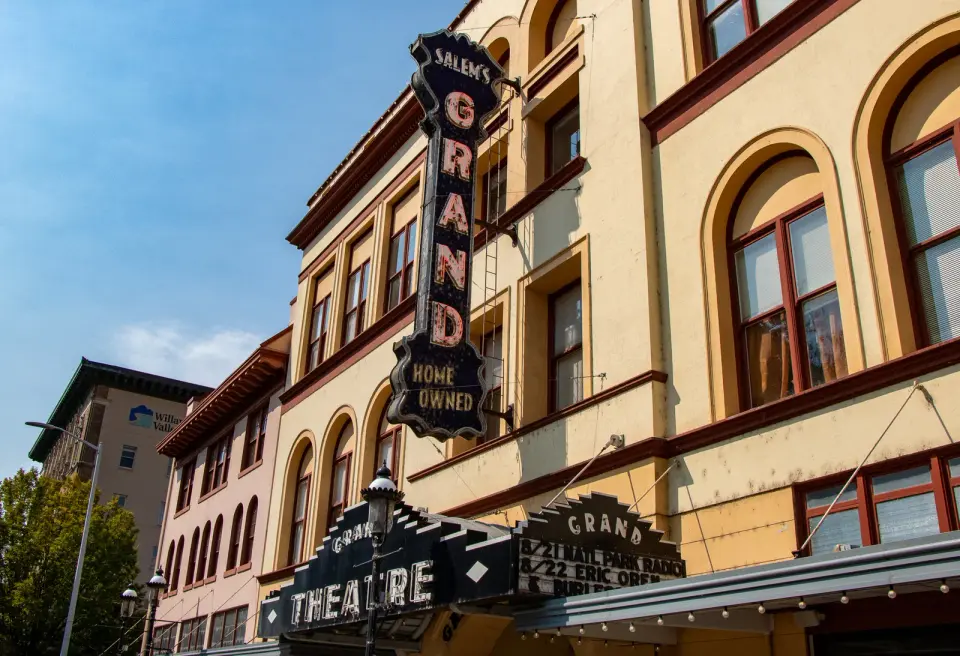
To the Ceiling entertainment ceased operations at Salem’s historic Grand Theatre after viral allegations of unpaid performers, leading to the cancellation of at least 30 events and a bankruptcy filing. While the company cited seasonal financial struggles, multiple bands and a nonprofit cat rescue report significant outstanding debts, with some pursuing legal action.
Key points
- To the Entertainment, which managed the 400-seat Grand Theatre since 2024, ended its lease early and filed for bankruptcy following a social media backlash over unpaid performers.
- At least 30 events were canceled, including shows by local bands and the Amazing Acro-Cats, a nonprofit cat rescue that claims to be owed approximately $20,000 from a 2025 tour stop.
- Co-owner Andrew Hussey attributed the collapse to summer financial cycles and competition from free concerts, while critics noted that some disputes date back over a year.
- The venue, owned by the Meduri family and listed on the National Register of Historic Places, has papered over its windows and removed signage, with its website remaining offline due to unpaid hosting fees.
- Performers such as Amerakin Overdose and COLOSO report being stiffed for amounts ranging from a few hundred dollars to $20,000, with some issuing final demands for payment before the shutdown.
Background
This incident mirrors broader patterns in the entertainment industry where financial instability leads to vendor and performer non-payment, similar to recent issues reported in LIV Golf. However, unlike the LIV Golf restructuring, this case involves a local historic venue closing entirely rather than transitioning to a new operational model.
Why it matters
The closure of a historic venue like the Grand Theatre impacts the local arts ecosystem and raises concerns about the financial stability of small-scale entertainment management companies. The bankruptcy filing and unresolved debts may lead to legal disputes and set a precedent for how unpaid performers seek recourse in similar situations.
What to watch
Performers with outstanding debts are weighing legal action to recover funds, while the Meduri family, who owns the building, has not yet commented on the future of the venue. The bankruptcy process will determine how remaining assets and liabilities are handled, potentially affecting the resolution of unpaid claims.
Want the full story? Read the original reporting
Read on Salem Reporter