
Russell Brand Sentenced to 10.5 Years; Museum Removes Hair Artifact Amid MAHA Controversy
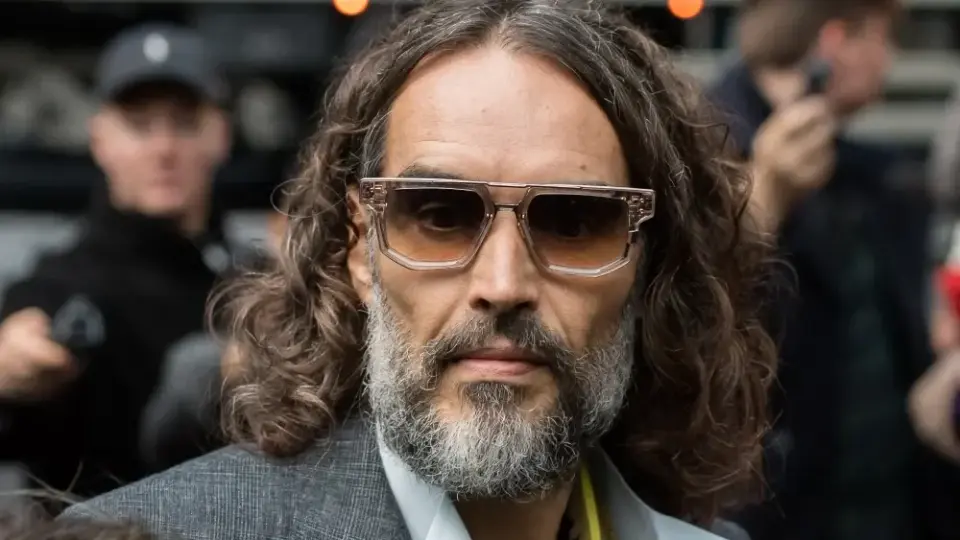
British comedian Russell Brand has been sentenced to 10 years and six months in prison after being convicted of one count of rape and three counts of sexual assault. The offenses, which occurred between 2004 and 2009, involved four women. Following the verdict, the Viktor Wynd Museum of Curiosities in London removed a lock of Brand’s pubic hair from its collection. The case has sparked broader debates regarding rape myths in UK courts and the stance of the Make America Healthy Again (MAHA) movement, which continued to support Brand despite his conviction.
Key points
- Judge Bennathan sentenced Brand to 10.5 years at Southwark Crown Court on November 9, 2026, after a jury found him guilty on four of seven charges.
- The Viktor Wynd Museum removed Brand’s pubic hair from display, with collector Viktor Wynd stating he had no desire to hear Brand’s name again.
- The UK government pledged to examine calls to crack down on 'rape myths' in trials following the defense’s use of stereotypes against the complainants.
- The MAHA movement, led by Robert F. Kennedy Jr., continued to support Brand, with founder Tony Lyons calling him an 'incredible human being' despite the conviction.
- Brand was acquitted of two additional rape charges and one count of attempted indecent assault, though he maintains his innocence regarding all allegations.
Background
Brand’s trial followed a 2023 investigation by UK media outlets and police inquiries that began in 2023. Previous coverage noted that the jury, consisting of four women and eight men, deliberated for over eight hours before reaching the verdict. The case also led to the resignation of Jack Bayles, head of comedy at Various Artists Limited, who was alleged to have been present during one of the incidents. Legal experts had predicted a sentence of eight to nine years, though the final term exceeded those estimates.
How outlets are covering it
Variety focused on the immediate cultural fallout, highlighting the removal of Brand’s pubic hair from the Viktor Wynd Museum, a collection that had housed the item for over a decade. The Guardian emphasized the systemic issues in UK courts, with letters from researchers and victim support groups criticizing the use of rape myths and stereotypes by the defense, calling for meaningful legal reforms. NPR provided a detailed account of the sentencing, including victim impact statements and Brand’s demeanor in court, noting his use of rosary beads. STAT analyzed the political implications, criticizing the MAHA movement for its continued support of Brand and linking it to a broader pattern of supporting figures with histories of violence and misogyny. While Variety and NPR focused on the legal and cultural outcomes, The Guardian and STAT highlighted the broader societal and political ramifications of the case.
Why it matters
The case underscores ongoing debates about the treatment of sexual assault victims in UK courts and the persistence of rape myths in legal proceedings. It also highlights the controversial alliances between high-profile political movements and individuals with criminal convictions, raising questions about accountability and the influence of celebrity culture on public discourse. The removal of Brand’s artifact from a museum symbolizes a shift in public perception and the rejection of his legacy in cultural spaces.
What to watch
The UK government is expected to review policies regarding rape myths in trials, potentially leading to further legal reforms. The MAHA movement may face increased scrutiny over its associations with convicted individuals, though its leadership has shown no signs of distancing itself from Brand. Brand will serve his sentence in prison, with his wife and family present during the sentencing. The case may also influence future legal standards for handling sexual assault cases in the UK, particularly regarding the admissibility of evidence related to victims’ sexual history.
- Russell Brand Pubic Hair Removed From London Museum After Conivction Variety
- What Russell Brand Can Expect in a U.K. Prison The New York Times
- Russell Brand’s trial, rape myths and a questionable faith | Letters The Guardian
- British comedian Russell Brand sentenced to over 10 years for rape and sexual assault NPR
- What MAHA’s support for Russell Brand tells us about the movement STAT
Want the full story? Read the original reporting
Read on Variety