
UK officials probe Russell Brand for prison rule breach after wife reads innocence plea to 6.6 million subscribers
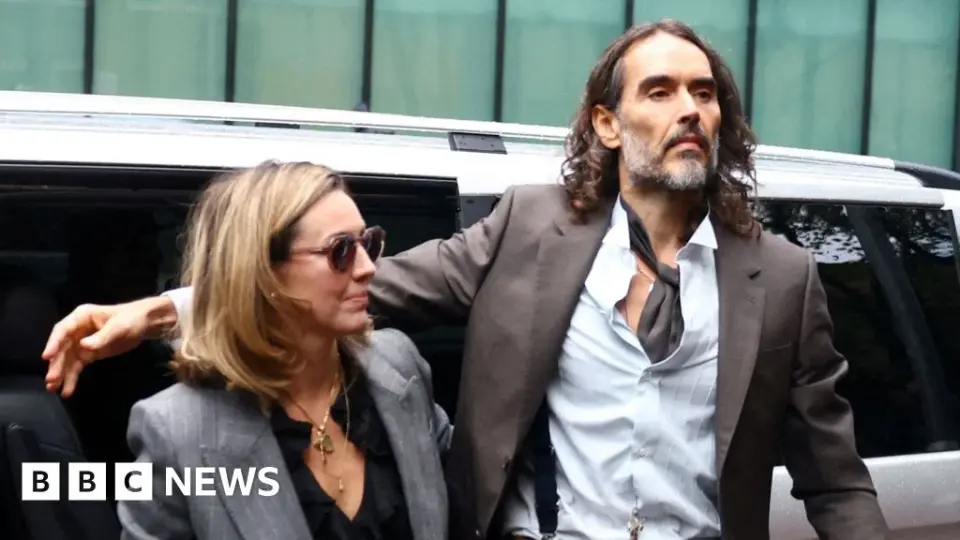
UK authorities are investigating whether convicted rapist Russell Brand violated prison regulations by sending a statement of innocence to his wife, Laura Brand, who read it to his 6.6 million YouTube subscribers. Prime Minister Andy Burnham’s office called the message 'appalling' and warned that prisoners cannot bypass rules by having others publish their comments. If found guilty of breaking the rules, Brand faces potential sentence extensions or loss of privileges. The incident follows his November 9 conviction for rape and sexual assault, and has drawn sharp criticism from accusers and media outlets.
Key points
- Brand’s wife read a statement on their weekly YouTube podcast claiming he is 'not guilty' and that 'something strange is happening,' which UK officials are urgently investigating for potential prison rule violations.
- Prime Minister Andy Burnham’s spokesperson stated that prisoners are strictly banned from making statements that cause distress to victims and cannot circumvent this by having others read their comments.
- Justice Secretary Alex Norris said he expects action to be taken if Brand is found to have broken the rules, which could result in restricted visits, loss of privileges, or an extended sentence.
- Mia Latter, a former accuser who waived her anonymity, called the broadcast an 'insult' to victims and jurors, criticizing YouTube for allowing the video to be shared.
- Brand, 51, is serving a 10.5-year sentence for rape and three counts of sexual assault, having been convicted in November 2026 after offenses between 2004 and 2009.
- The BBC admitted to playing the clip 'in error' due to internal miscommunication and removed it from its catch-up service, while YouTube suspended Brand’s monetization in 2023 but left the content viewable.
Background
This incident follows Brand’s November 9, 2026 conviction at Southwark Crown Court, where Judge Joel Bennathan criticized his 'casual and arrogant disregard' for consent. Brand was sentenced to nine years for rape and 35 months for sexual assaults. Prior to his conviction, a 2023 joint investigation by The Sunday Times, The Times, and Channel 4 revealed allegations from multiple women, including Mia Latter, who was known under the pseudonym 'Alice.' Brand has consistently denied all allegations, including those from the 2023 report and six new accusers who came forward after his sentencing. The current controversy adds to ongoing debates about media responsibility and prison communication protocols in high-profile criminal cases.
How outlets are covering it
The BBC acknowledged a procedural error in broadcasting the clip, attributing it to 'miscommunication within the team,' while other outlets like Yahoo and People.com focused on the emotional impact on victims and the ethical failures of platforms like YouTube. CBC emphasized the legal consequences, noting that breaking prison rules could lead to an extended sentence or loss of privileges. While the UK government framed the issue as a strict violation of victim protection rules, Brand’s supporters and the message itself framed it as a plea for family support and a claim of innocence, highlighting a divide between legal constraints and public expression. The Times and Sunday Times reported on additional allegations, but the current focus remains on the procedural breach rather than new criminal charges.
Why it matters
This case tests the boundaries of prisoner communication rights and media responsibility in the digital age. It highlights the tension between public figures’ attempts to maintain narratives and the legal protections afforded to victims. The potential penalties for Brand, including sentence extensions, underscore the seriousness with which UK authorities view any breach of prison rules that distresses victims. Additionally, the incident prompts broader discussions about platform accountability, as YouTube’s decision to allow the video to remain viewable despite prior monetization suspensions raises questions about content moderation policies for high-profile criminal cases.
What to watch
The Ministry of Justice will conclude its investigation into whether Brand’s message violated prison rules. If found guilty, Brand may face restrictions on social visits, loss of privileges such as gym access, or an extension of his sentence. The BBC has already removed the clip from its catch-up service, but YouTube has not yet indicated whether it will remove the video. Further public statements from accusers or legal representatives may emerge as the investigation progresses, and the case may influence future policies on prisoner media access and platform content moderation.
- Minister criticises media for 'amplifying' Russell Brand's prison message BBC
- Russell Brand accuser reveals shock at convicted rapist's YouTube prison message: 'It was an insult' Yahoo
- Convicted rapist Russell Brand under investigation for claiming innocence from behind bars CBC
- Russell Brand Rape Accuser Calls His Prison Message Claiming Innocence an ‘Insult’ to Victims People.com
- Russell Brand sparks prison investigation after wife reads defiant message following rape conviction Fox News
Want the full story? Read the original reporting
Read on BBC