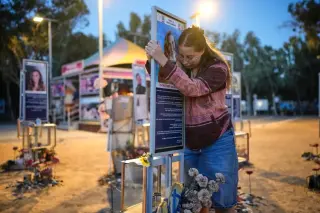
On the third anniversary of the October 7 attack, Israel holds memorials amid deep political division, while Gaza faces ongoing humanitarian crisis and media outlets reflect on unreported stories.
President Donald Trump announced he will stop using federal funds for television advertisements promoting his administration, shifting the cost to his super PAC, MAGA Inc. This reversal follows intense bipartisan criticism and calls for independent investigations into the legality of the spots, which aired ahead of the November midterm elections.
TEGNA has initiated an internal review of its KGW-TV station’s reporting on the firing of Portland Trail Blazers announcer Braiden Bell. The investigation examines whether reporters Devon Haskins and John Tierney followed editorial guidelines when uncovering Bell’s offensive teenage tweets, which led to his termination within 12 hours of hiring. While the Blazers cited zero-tolerance policies, critics debate the ethics of reporting on pre-adult social media history and the team’s immediate reaction to media pressure.
Dr. Randal Haworth, a plastic surgeon from the 2004 reality series 'The Swan,' disputes claims of a nude photo shoot in a new Hulu documentary, calling it 'exceedingly artistic.' While former contestants detail severe medical complications and coercive practices, Haworth argues the show pushed boundaries but did not go 'too far' medically. Critics note the documentary fails to fully address the cultural context of early 2000s beauty standards.
The Portland Trail Blazers terminated play-by-play announcer Braiden Bell less than 12 hours after hiring him, following the resurfacing of offensive tweets he posted in 2012 and 2013. The team cited a zero-tolerance policy, while critics argue the decision was a cowardly reaction to media pressure from local station KGW. Bell, who had previously worked for the WNBA and G-League, faces immediate professional fallout, though some argue his teenage comments should not define his adult career.
The Portland Trail Blazers terminated newly hired play-by-play broadcaster Braiden Bell on October 2, 2026, just hours after announcing his appointment. The decision followed the discovery of racist and misogynistic posts on his X account from 2012 and 2013, when Bell was a teenager. The team cited a 'zero tolerance' policy for such content, apologizing for failing to vet him properly. Bell, 29, had previously broadcast for the Phoenix Mercury and G-League teams. The Blazers must now find a replacement before the season opener on October 21.
The team behind the documentary NAZA has disclosed that they interviewed over 100 sources to verify claims regarding Israeli military targeting in Gaza, countering an IDF statement that labeled the film’s content as factually erroneous. The Israeli military argued that the film relied on junior personnel with limited knowledge of the approval process, while the filmmakers maintained that their sources included senior commanders involved in final strike authorizations. This dispute follows a period of intense political backlash, including death threats against the directors and calls from Prime Minister Benjamin Netanyahu to revoke their citizenship. The Guardian, which produced the film, emphasized that their verification process included leaked classified documents and corroboration from confidential journalistic sources, asserting that the film’s findings align with reports from other major news outlets regarding the use of AI in targeting.
A24's new film Primetime, starring Robert Pattinson as Chris Hansen, dramatizes the 2000s reality show To Catch a Predator and the 2006 suicide of Texas prosecutor Bill Conradt. While the film critiques the show's blend of journalism and entertainment, Hansen has denounced it as exploitative. The release coincides with renewed scrutiny of the show's ethics, its impact on reality TV, and the persistence of similar vigilante content on social media.
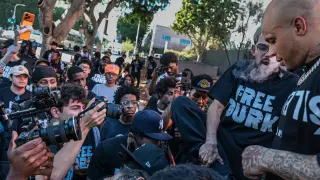
Lil Durk’s murder-for-hire trial in LA became a media circus, with fans and streamers turning the courthouse into spectacle and the victim’s family sidelined. The acquittal raises ethical questions about hip-hop fandom and media coverage of violence in rap, while Durk heads into a related racketeering case.
PFT’s Mike Florio criticizes ESPN for giving Ted Cruz a longer, unopposed segment to promote the Protect College Sports Act, arguing the network acted like a political operator and failed to provide a dissenting voice, prompting calls for equal time and highlighting broader debates over player rights and college athletics governance.
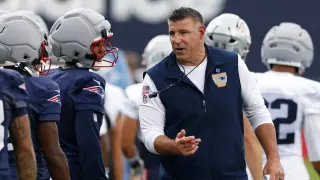
ESPN’s season-opening longread on Patriots coach Mike Vrabel examines the Dianna Russini controversy, how the Patriots have moved on, Vrabel’s muted response, and the broader media dynamics around female reporters; it also notes a possible Russini comeback and that Vrabel’s 2026 schedule could amplify or quiet the scrutiny depending on early results.
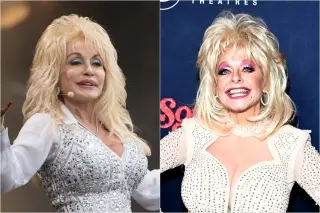
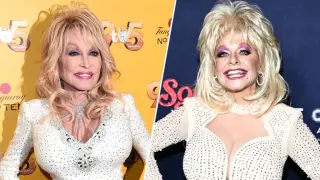
CNN issued an apology after mistakenly showing a photo of a Dolly Parton impersonator during coverage of Parton’s death, replacing the singer in a montage. The Las Vegas tribute artist Kelly Vohnn spoke about the error, CNN said it regrets the mistake and apologized to Parton’s family, highlighting a misstep in the network’s live coverage.
CNN apologized after airing a photo of a Dolly Parton impersonator (Kelly Vohnn) during its coverage of Dolly Parton’s death; CNN said it regrets the error and apologized to Parton’s family. Vohnn, an impersonator, noted she never claimed to be Parton and asked media to exercise due diligence. The incident highlights the need for careful image verification in news reporting.
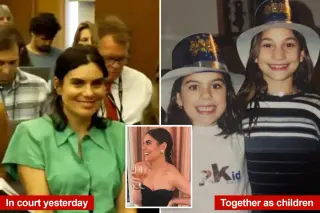
During Lindsay Clancy’s murder trial, Vanity Fair reporter Brittany Romano was seen smiling and winking at the courtroom camera, sparking backlash and leading Vanity Fair to drop her credentials; the outlet had considered a personal essay from Romano about growing up with Clancy but cited editorial standards conflicts, while Romano said her behavior reflected a personal connection to Clancy and has since faced online abuse; the trial, in which Clancy’s insanity defense is at issue, is nearing its end.
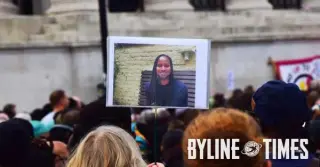
This Byline Times op-ed argues that Jason Arday's death highlights how relentless, ad-hominem media coverage and a culture-war mindset can turn a public figure into a target, calling for accountability and an end to mass humiliation in journalism, while citing cases such as David Kelly, Lucy Meadows, Brenda Leyland and Caroline Flack to illustrate real, deadly consequences of cruelty in the press.