
Netflix Docuseries Reveals New Details on Idaho Murders: Stalking Claims and Digital Forensics
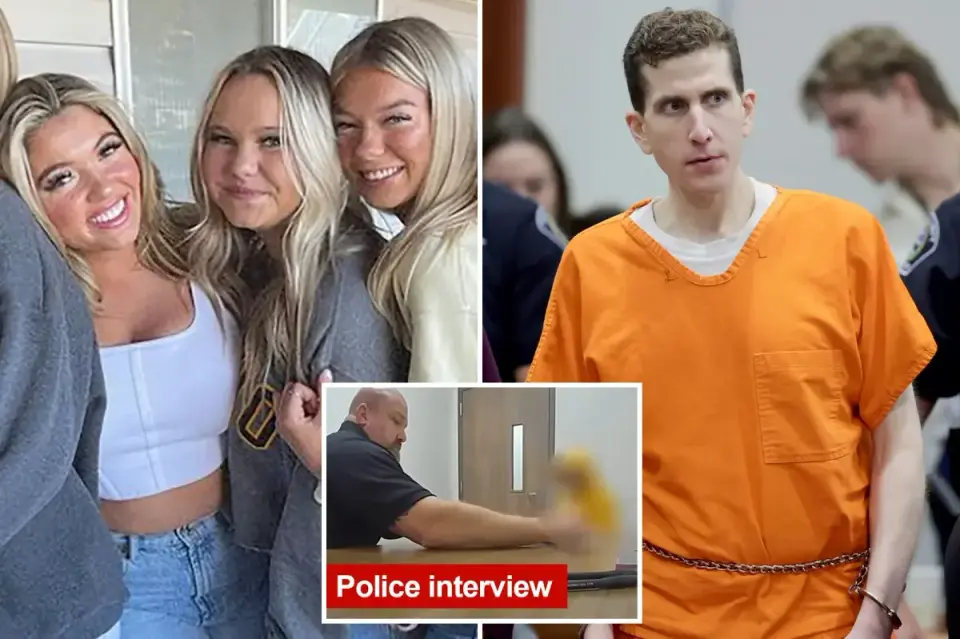
A new Netflix documentary, 'The Idaho Murders: College Nightmare,' has released previously unseen police interview footage and forensic analysis regarding the 2022 killings of four University of Idaho students. The primary source highlights a claim by victim Bethany Funke that her roommate, Kaylee Goncalves, saw someone 'staring at her' before the attack. Secondary sources detail how investigators recovered deleted search history from Bryan Kohberger’s devices, including queries on serial killers and wiretapping, despite his efforts to erase his digital footprint. While Kohberger pleaded guilty in 2025 to avoid the death penalty, he has recently claimed innocence and sought to withdraw his plea. The documentary also explores theories that his academic focus on criminology may have influenced his actions, though no definitive motive has been established.
Key points
- Bethany Funke told police that Kaylee Goncalves saw a person staring at her house before the November 13, 2022, murders.
- Digital forensics experts recovered search history from Kohberger’s devices, including terms like 'psychopaths paranoid' and 'serial killer Wayne Nance.'
- Kohberger had only 18 contacts on his phone and frequently used incognito browsing to hide his activity.
- The documentary features former FBI agent Ed Jacobson speculating that Kohberger’s academic fascination with crime may have been a motive.
- Kohberger has filed a petition to withdraw his guilty plea, claiming he was coerced and advised to lie by his attorneys.
Background
This story follows the 2022 murders of Kaylee Goncalves, Madison Mogen, Xania Kernodle, and Ethan Chapman in Moscow, Idaho. Bryan Kohberger, a criminology doctoral student at the time, pleaded guilty in July 2025 to four counts of first-degree murder in exchange for avoiding the death penalty. He was sentenced to four consecutive life terms. Recent archive coverage noted his attempts to withdraw the plea and claims of innocence, as well as ongoing speculation about his motives, including his academic background and interactions with women.
How outlets are covering it
The New York Post emphasizes the emotional testimony of surviving roommate Bethany Funke regarding a potential stalking incident prior to the murders. Yahoo and Oxygen focus on the technical aspects of the investigation, specifically the recovery of digital evidence and the lack of a clear motive. Oxygen highlights the theory that Kohberger’s academic studies may have influenced his actions, while Yahoo notes the difficulty in reconstructing his digital history due to his deliberate attempts to erase data. All sources agree that the motive remains officially unknown, with police chief Anthony Dahlinger stating that the 'why' may never be answered.
Why it matters
The release of new footage and forensic details in the Netflix documentary provides a fresh perspective on the 2022 Idaho murders, potentially offering insights into the pre-crime behavior of the suspect. The revelation of specific search terms and the claim of a stalking incident may influence public perception and ongoing legal challenges, including Kohberger’s attempt to withdraw his guilty plea. It also highlights the limitations of digital forensics in cases where suspects actively attempt to destroy evidence.
What to watch
The legal battle over Kohberger’s plea withdrawal will continue, with courts evaluating his claims of coercion and ineffective assistance. The Netflix documentary is expected to draw significant public attention, potentially reigniting interest in the case and the unresolved questions surrounding the motive. Prosecutors and defense attorneys will likely address the new forensic evidence and testimony in any future legal proceedings.
- Bryan Kohberger victim made terrifying claim before gruesome quadruple murder: ‘Staring at her’ New York Post
- ‘The Idaho Murders: College Nightmare’ Review: Shifting the Spotlight on Netflix WSJ
- 2 Idaho Roommates Survived Bryan Kohberger’s Fatal Attack. Here’s Where They Are Now People.com
- Bryan Kohberger's Search History Revealed After Investigators Say He Tried to Erase Digital Footprint yahoo.com
- Why Did Bryan Kohberger Murder 4 University of Idaho Students? Investigator Shares Chilling Possible Theory Oxygen Official Site
Want the full story? Read the original reporting
Read on New York Post