
Mahjong Tiles Surge in U.S. Tailgates and Chinese Factories
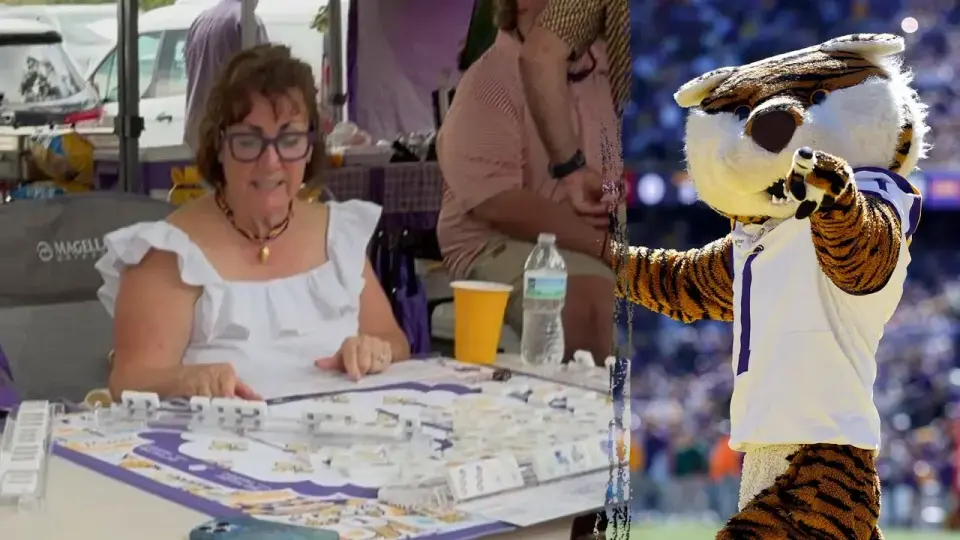
A cultural boom in the U.S. is driving massive demand for American-style mahjong sets, creating a lucrative export market for Chinese manufacturers in Taixing. While U.S. players integrate the game into college football tailgates and coaching homes, Chinese producers are shifting from traditional melamine to colorful acrylic tiles to meet this new, high-margin demand.
Key points
- OutKick reports that mahjong has become a popular pastime at college football tailgates, particularly at venues like LSU, Alabama, and Ole Miss, with women and men playing alongside traditional pregame activities.
- According to OutKick, six of ten college football head coaches surveyed admitted to playing the game, with five reporting monthly participation, often as a way to relax or spend time with their families.
- NPR reports that search volume for mahjong on Alibaba.com surged over 1,000% late last year, prompting manufacturers in Taixing, China, to expand production capacity.
- Chinese factories are transitioning from traditional heavy melamine tiles to lighter, colorful acrylic sets to match U.S. preferences, with some sets featuring holiday motifs or Grateful Dead branding.
- U.S. retailers sell these sets for $300 to $400, while Chinese manufacturers produce them for approximately $30, creating significant profit margins that insulate them from recent tariff and shipping cost increases.
Background
This trend follows a broader pattern of niche hobbies gaining mainstream visibility through social media. While our archive covers unrelated college football administrative changes, such as the 24-team playoff expansion and coaching firings, the current story highlights a distinct cultural shift within the sport's ecosystem. The mahjong craze represents a new social ritual that intersects with the existing competitive and social dynamics of college athletics, moving beyond the field and into the community spaces surrounding it.
How outlets are covering it
OutKick emphasizes the social and cultural integration of mahjong within the U.S. college football landscape, focusing on the game's role in tailgates and the personal lives of coaches. They highlight the competitive and community-building aspects of the game for women and men alike. In contrast, NPR focuses on the economic and manufacturing implications, detailing how the U.S. craze is revitalizing the mahjong industry in Taixing, China. NPR notes that while domestic Chinese demand has cooled due to economic 'involution' and lower consumer spending, the U.S. market offers high margins and stable demand, allowing manufacturers to bypass price-sensitive domestic competition. The two outlets view the same trend from opposite ends of the supply chain: OutKick sees a cultural phenomenon, while NPR sees a manufacturing lifeline.
Why it matters
The rise of mahjong illustrates how social media can drive global supply chain shifts, creating new economic opportunities for manufacturers in China while fostering new social rituals in the U.S. It also highlights the growing intersection of traditional hobbies with modern sports culture, suggesting that non-sporting activities are becoming integral to the fan experience and even the personal lives of professional athletes and coaches.
What to watch
Manufacturers in Taixing expect the current boom to last two to three years before competition increases and profits shrink. In the U.S., the trend may continue to expand beyond tailgates into other social settings, potentially influencing the design and marketing of future mahjong sets to appeal to a broader, more diverse audience.
- Mahjong is the new tailgate game taking over college football for women — and even at home with head coaches Fox News
- Americans can't get enough of mahjong. These traditional makers are cashing in NPR
- Mahjong Is Having A Moment. Hotels Are Cashing In Forbes
- Getting older and getting braver at trying new things Deseret News
- Atlanta mahjong players build community one tile at a time VPM
Want the full story? Read the original reporting
Read on Fox News