
Melinda French Gates validates viral SNL sketch exposing the unpaid cost of female caregiving
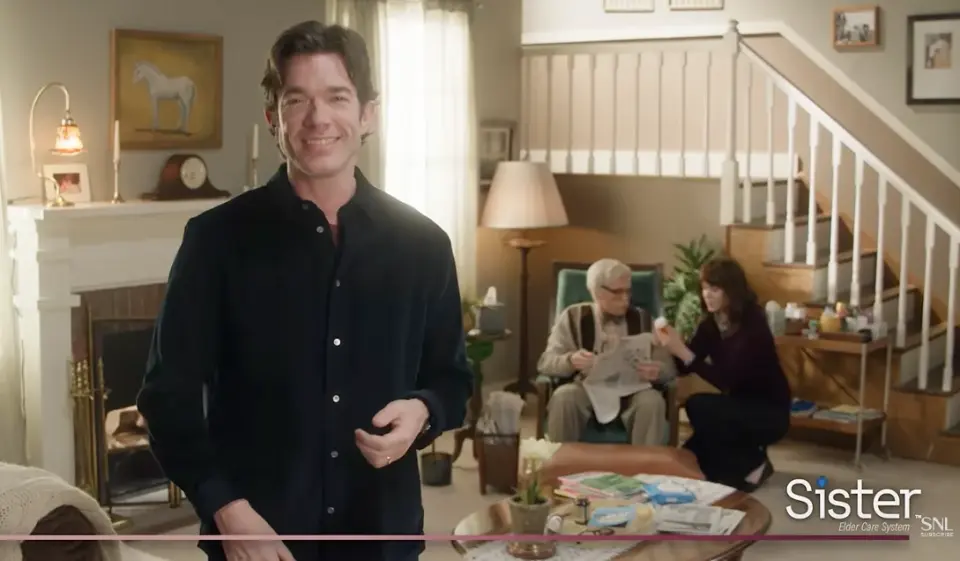
A viral 'Saturday Night Live' sketch satirizing the expectation that sisters provide free, 24/7 care for aging parents has sparked a national debate. Melinda French Gates confirmed the sketch’s accuracy, citing data that shows women bear a disproportionate caregiving burden. The segment highlights the lack of federal support for long-term care in the U.S., forcing families to absorb significant financial and emotional costs.
Key points
- The sketch, featuring John Mulaney, presents 'Sister' as a free eldercare system that activates instantly via text message, requiring the sister to quit her job and move across the country.
- Melinda French Gates fact-checked the sketch on Instagram, confirming that women are nearly 40% more likely than men to provide constant care for older relatives, according to AARP and the National Alliance for Caregiving.
- French Gates noted that while the care is 'free' to the recipient, it costs women lost wages, stalled careers, and reduced retirement savings, citing Catalyst data that 42% of women who left jobs in 2025 cited caregiving as the primary reason.
- The U.S. lacks federal paid leave or long-term care insurance for family caregivers, unlike many other wealthy nations, leaving families to navigate a complex healthcare system without adequate support.
- Experts and viewers have described the sketch as 'too close to home,' prompting a broader conversation about the 'daughter tax' and the need for systemic changes in eldercare policy.
Background
This story follows earlier coverage of the viral 'Sister' sketch, which has been widely shared across social media and news outlets. Previous reports highlighted the sketch's resonance with women who feel the burden of unpaid caregiving and the lack of federal support for long-term care in the U.S. The sketch has been described as a satirical but accurate portrayal of the gender imbalance in eldercare, with experts and public figures confirming its accuracy.
How outlets are covering it
GeekWire and The New York Times both emphasize the sketch's accuracy in reflecting the reality of gendered caregiving roles, with French Gates and The New York Times citing studies that show daughters provide at least twice as much care as sons. CNN highlights the emotional and physical toll on women, noting that nearly 40% of female caregivers report negative impacts on their physical health, compared to 26% of men. Bloomberg focuses on the sketch's relatability for women of a certain age, describing it as a 'searingly, hilariously accurate' portrayal of the eldercare crisis. All sources agree that the sketch has sparked a national conversation about the need for systemic changes in eldercare policy, but they differ in their emphasis: GeekWire and The New York Times focus on the data and policy gaps, CNN highlights the personal toll on caregivers, and Bloomberg focuses on the cultural resonance of the sketch.
Why it matters
The viral 'Sister' sketch has exposed the reality of unpaid female caregiving in the U.S., highlighting the lack of federal support for long-term care and the disproportionate burden placed on women. The sketch has sparked a national conversation about the need for systemic changes in eldercare policy, with experts and public figures calling for more honesty about the costs of caregiving and the need for better support for family caregivers.
What to watch
The conversation sparked by the 'Sister' sketch is likely to continue, with experts and policymakers calling for changes in eldercare policy, including federal paid leave and long-term care insurance. The sketch has also prompted a broader discussion about the 'daughter tax' and the need for systemic changes to support family caregivers. As the U.S. population ages, the demand for eldercare is expected to increase, making the need for policy changes even more urgent.
- ‘Sister isn’t free’: Melinda French Gates fact-checks viral ‘SNL’ sketch on eldercare GeekWire
- That ‘S.N.L.’ Sketch About Sister? It’s More Like Nonfiction. The New York Times
- Why SNL’s ‘Sister’ sketch hit a nerve about the reality of caregiving CNN
- SNL’s ���Sister’ Skit on Eldercare Is Too Relatable Bloomberg
- Burcum: My grandma lived the family drama behind SNL’s viral ‘Sister’ skit Star Tribune
Want the full story? Read the original reporting
Read on GeekWire