Ancient DNA rewrites the role of women in prehistoric societies
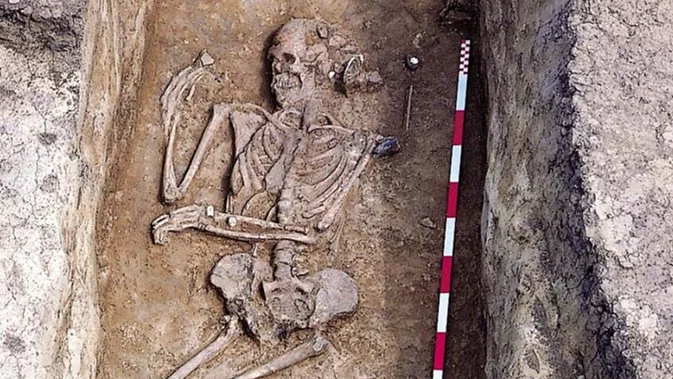
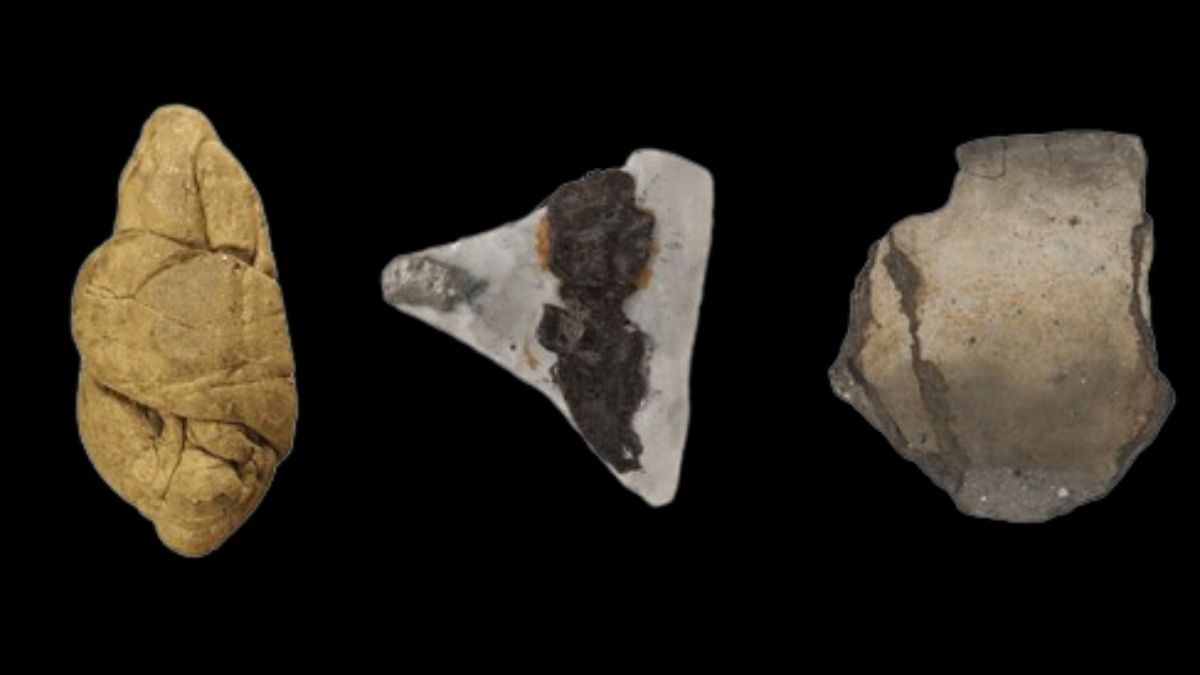
New ancient-DNA data is overturning the long-held view that prehistoric societies were uniformly male-dominated. Examples include a Stonehenge-era grave once thought to be male that DNA shows belonged to a woman goldsmith, and a Birka Viking burial that proved a woman fought or led with weapons. As genetic research expands, sites like Çatalhöyük reveal female lineages and possible matrilineal inheritance, while Iron Age Britain shows matrilocal patterns and several cases of matrilineal descent. The emerging picture is a regional, time‑slotted patchwork of gender roles—some women held power or fought; others did not—reflecting a more nuanced prehistoric social landscape.