
SNL’s 'Sister' Sketch Ignites National Debate on Gendered Caregiving Burdens
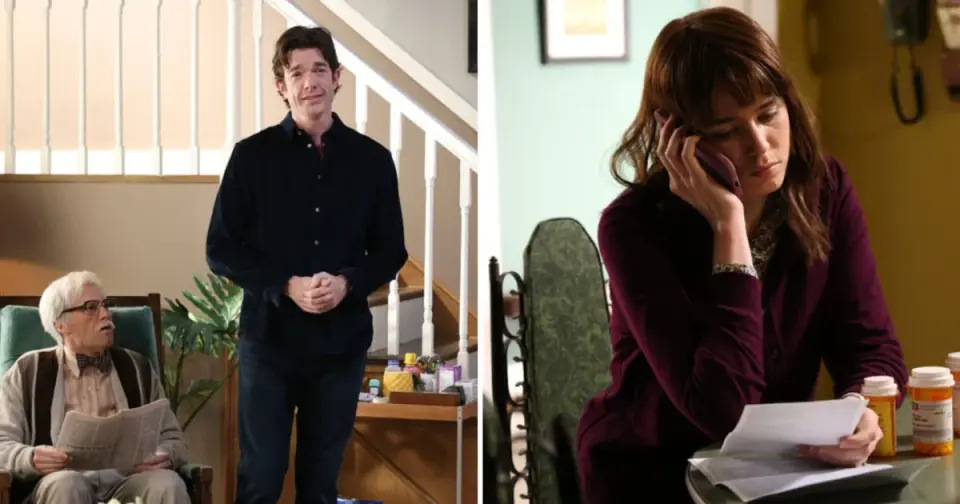
A satirical 'Saturday Night Live' sketch titled 'Sister' has sparked widespread public discourse by satirizing the societal expectation that women serve as unpaid, full-time caregivers for aging parents. The segment, featuring John Mulaney, depicts a brother outsourcing his father’s care to his sister, a dynamic that resonated with millions of viewers. While the sketch highlights the emotional and logistical toll on women, experts and commentators note it also exposes a broader systemic failure in eldercare support, where women often bear the majority of the burden despite having careers and children of their own.
Key points
- The sketch, which aired on November 14, portrays a sister as a free, 24/7 elder care provider, mocking the assumption that women will automatically assume caregiving roles.
- Viewers reported that sharing the video in family group chats often led to silence, defensiveness, or conflict, highlighting deep-seated resentment among women who feel their contributions are unacknowledged.
- Psychologists and caregivers note that the sketch provided a 'permission' for women to express long-suppressed frustrations about the unequal distribution of care labor.
- Some families used the viral moment to initiate difficult conversations, leading to new care plans or, in some cases, estrangement.
- Experts emphasize that the sketch underscores a national crisis, with 63 million Americans serving as caregivers in 2025, a 50% increase since 2015.
Background
The 'Sister' sketch emerged during a period of heightened attention to the 'caregiver crisis,' driven by the aging of the U.S. population and the lack of federal paid family leave. Previous coverage noted that while the sketch is satirical, it reflects a reality where women are often the default providers for aging parents, a role that can last for decades and significantly impact their physical, mental, and financial well-being.
How outlets are covering it
Outlets like The New York Times and CNN emphasize the systemic and policy failures that force families to rely on unpaid female labor, noting that the U.S. lags behind other wealthy nations in long-term care spending. TODAY.com focuses on the personal, emotional fallout within families, detailing how the sketch often serves as a catalyst for long-suppressed grievances. The Star Tribune highlights the 'daughter tax' and the need for intentional family conversations to share the burden, while also acknowledging that some men are stepping up. There is a consensus that the sketch has moved the conversation from private family chats to a broader national debate about gender roles and healthcare infrastructure.
Why it matters
The viral nature of the sketch has forced a public reckoning with the invisible labor of caregiving, potentially influencing future policy discussions and family dynamics. It highlights the urgent need for systemic support, as the current model places an unsustainable burden on individual women, often at the cost of their careers, health, and relationships.
What to watch
As the debate continues, experts are urging families to have early, open conversations about caregiving responsibilities before crises arise. Policymakers are being called upon to address the lack of federal support for long-term care and to consider tax credits or paid leave for family caregivers. The conversation is expected to evolve as more families navigate the complex realities of aging parents and the gendered expectations that come with them.
- I’m the ‘Sister’ in the ‘SNL’ Caregiving Sketch. Here’s What Happened When I Texted it to My Brothers TODAY.com
- That ‘S.N.L.’ Sketch About Sister? It’s More Like Nonfiction. The New York Times
- An ‘SNL’ skit exposed America’s elder care plan: daughters The 19th News
- Why SNL’s ‘Sister’ sketch hit a nerve about the reality of caregiving CNN
- Burcum: My grandma lived the family drama behind SNL’s viral ‘Sister’ skit Star Tribune
Want the full story? Read the original reporting
Read on TODAY.com