
British Museum Bans Bayeux Tapestry Photos Amid Crowd Control and Conservation Concerns
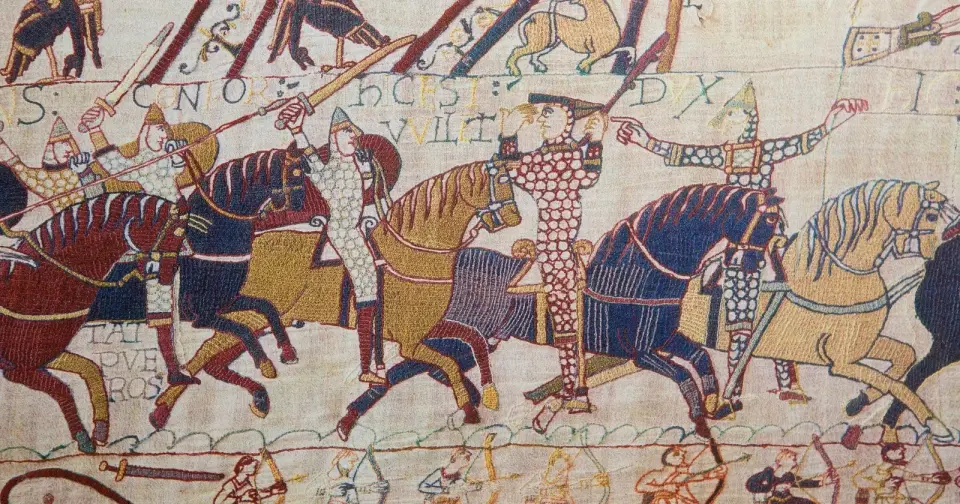
The British Museum has prohibited photography of the Bayeux Tapestry less than a week after its highly anticipated UK debut. The policy reversal, which contradicts initial ticket information, aims to manage crowds and protect the fragile 11th-century textile. While the exhibition has generated massive revenue and interest, the ban has frustrated visitors who paid for access but were denied the ability to document the historic artifact.
Key points
- The British Museum banned photography of the Bayeux Tapestry days after the exhibition opened on September 10, 2026, reversing its initial policy that allowed non-flash photography.
- The 70-meter-long, 11th-century embroidery is on loan from Normandy until July 11, 2027, marking its first public display in the UK in nearly a millennium.
- Conservators discovered two new broken threads in the textile after its transfer from France, prompting heightened scrutiny of visitor interactions.
- The museum cites crowd control and visitor experience as primary reasons for the ban, noting that photography slows down the 40-minute viewing window for the 230-foot-long piece.
- The exhibition has been a commercial success, generating over $3.4 million in day-one sales and selling out quickly, with 80,000 people joining the virtual queue for tickets.
Background
The Bayeux Tapestry, a 70-meter-long 11th-century embroidery depicting the Norman Conquest and the Battle of Hastings in 1066, has been housed in Normandy, France, for centuries. It was loaned to the British Museum in London for a 10-month exhibition starting September 10, 2026, while its usual home undergoes renovation. The exhibition is part of a broader UK-France cultural initiative, with high-profile visits from King Charles and Emmanuel Macron. The tapestry is insured at approximately €960 million and is displayed horizontally in a climate-controlled case. Previous coverage noted that the exhibition aims to attract around one million visitors and help fund a major refurbishment of the British Museum.
How outlets are covering it
PetaPixel and Hyperallergic highlight the confusion caused by the sudden policy change, noting that e-tickets and initial website guidelines permitted non-flash photography, while physical signs at the entrance now prohibit it. Maxwell Blowfield, a former museum professional, reported that the museum had not responded to inquiries about the change. The New York Times emphasizes the conservation aspect, reporting that conservators found two new broken threads after the tapestry's journey from France. Vogue focuses on the commercial success of the exhibition, noting the unprecedented ticket frenzy and the extensive merchandise line, including scarves, mugs, and brooches. The Conversation provides an academic perspective, analyzing the 33 buildings depicted in the tapestry and their architectural significance, while Open Culture offers an immersive video guide to the tapestry's full narrative. The British Museum's statement to Hyperallergic states that the photography ban is intended to ensure the best possible viewing experience for all visitors, given the enormous interest in the exhibition.
Why it matters
The photography ban underscores the tension between public access and conservation for fragile historical artifacts. The Bayeux Tapestry's return to the UK after nearly a millennium has generated significant cultural and economic impact, but the strict restrictions highlight the challenges of managing high-demand exhibitions for delicate items. The policy reversal may set a precedent for future exhibitions of sensitive artifacts, balancing public engagement with preservation needs.
What to watch
The British Museum is expected to maintain the photography ban for the duration of the exhibition, which runs until July 11, 2027. The next batch of tickets is scheduled to go on sale on October 21, 2026. The museum may face continued public scrutiny over its communication of policy changes, particularly given the discrepancy between e-tickets and physical signage. Conservation efforts will likely remain a priority, with ongoing monitoring of the tapestry's condition during its display.
- British Museum Bans Photography of Historic 'Bayeux Tapestry' Days After Blockbuster Exhibition Opens PetaPixel
- Bury Me in Bayeux Tapestry Merch vogue.com
- Unstitching the 1,000-Year-Old Story of the Bayeux Tapestry The New York Times
- What the Bayeux tapestry reveals about medieval buildings on both sides of the Channel The Conversation
- An In-Depth, Immersive Journey Through the Bayeux Tapestry Open Culture
Want the full story? Read the original reporting
Read on PetaPixel