
Netflix’s Reboot of the Stanford Prison Experiment Draws Sharp Criticism for Failing to Recreate Its 1971 Horror
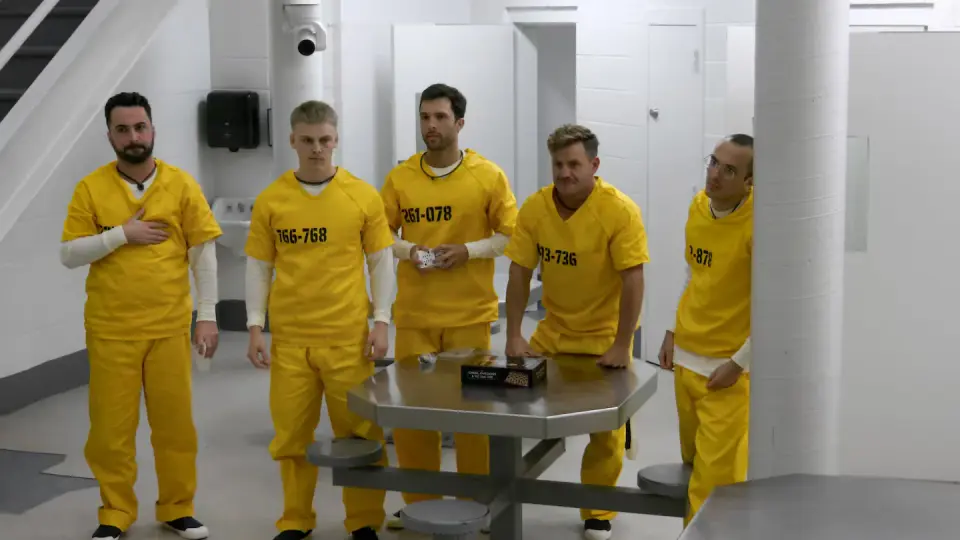
Netflix’s new six-episode series, 'The New Stanford Prison Experiment,' attempts to recreate the infamous 1971 psychological study but has been widely criticized for failing to replicate its original chaos. Critics argue the show functions more as standard reality television than a rigorous scientific inquiry, lacking the tension and ethical safeguards of the original study.
Key points
- Netflix’s 'The New Stanford Prison Experiment' debuted on October 21, 2026, as a six-episode unscripted series.
- The show places 30 participants in a decommissioned Georgia prison, randomly assigning them as guards or inmates.
- Critics argue the series fails to recreate the 1971 study’s chaos due to modern ethical safeguards and participant awareness.
- The original 1971 study, led by Philip Zimbardo, ended after six days due to escalating cruelty and psychological breakdowns.
- Reviewers note the reboot functions more as reality television than a scientific inquiry, lacking the tension of the original.
Background
The 1971 Stanford Prison Experiment, conducted by Philip Zimbardo, is a landmark study in psychology that explored how power dynamics can lead ordinary people to perpetrate evil. The study, which involved 24 male college students, ended after six days due to escalating cruelty and psychological breakdowns. It has since been criticized as ethically and scientifically flawed, with Zimbardo accused of pushing guards toward aggression. Netflix’s reboot, 'The New Stanford Prison Experiment,' attempts to revisit this study but has faced criticism for its lack of scientific rigor and ethical safeguards.
How outlets are covering it
The Washington Post highlights the ethical and scientific flaws of the original 1971 study, questioning why Netflix is performing it again. The New York Times criticizes the reboot for being 'un-enlightening' and 'stiff,' arguing it functions more as standard reality television than a rigorous scientific inquiry. Both outlets agree that the reboot fails to recreate the chaos and tension of the original study, but the Post emphasizes the ethical concerns, while the Times focuses on the lack of scientific rigor.
Why it matters
The controversy surrounding Netflix’s reboot of the Stanford Prison Experiment raises important questions about the ethics of psychological studies and the role of media in perpetuating harmful narratives. The criticism of the reboot highlights the tension between scientific inquiry and entertainment, as well as the importance of ethical safeguards in psychological research.
What to watch
Netflix’s 'The New Stanford Prison Experiment' will continue to air, with critics and viewers evaluating its impact and relevance. The controversy may lead to further discussions about the ethics of psychological studies and the role of media in perpetuating harmful narratives.
- Column | This landmark experiment was horrifying. Why is Netflix performing it again? The Washington Post
- Review: ‘The New Stanford Prison Experiment’ Is a Stiff Sentence The New York Times
- Netflix’s ‘New Stanford Prison Experiment’ Is Rigged For Drama Yahoo
- The 'agents of chaos' from Netflix’s 'New Stanford Prison Experiment' speak out SFGATE
- Where Are the Stanford Prison Experiment Participants Now? People.com
Want the full story? Read the original reporting
Read on The Washington Post