
Netherlands Reverses Course to Withdraw from Eurovision 2027 Amid Internal Backlash
The Netherlands has officially withdrawn from the 2027 Eurovision Song Contest, reversing a September decision to return. NPO, the umbrella organization for Dutch public broadcasters, cited an inability to secure a participating broadcaster and widespread societal division over Israel’s inclusion. This withdrawal follows intense internal opposition, including a letter signed by approximately 400 NPO employees. While the Netherlands will still broadcast the event, it joins Ireland and potentially Spain in boycotting the competition, which is scheduled for May 2027 in Bulgaria.
Key points
- NPO reversed its September decision to participate in Eurovision 2027, citing an inability to find a willing broadcaster to send a Dutch artist.
- The withdrawal follows significant internal backlash, including a letter signed by around 400 NPO employees and objections from prominent Dutch media figures.
- NPO director Jet de Ranitz stated that the organization decided to 'take a step back' due to sensitivities surrounding the current themes, though the contest will still be broadcast in the Netherlands.
- Eurovision director Martin Green expressed regret but respected the decision, emphasizing the contest’s role in fostering unity in a divided world.
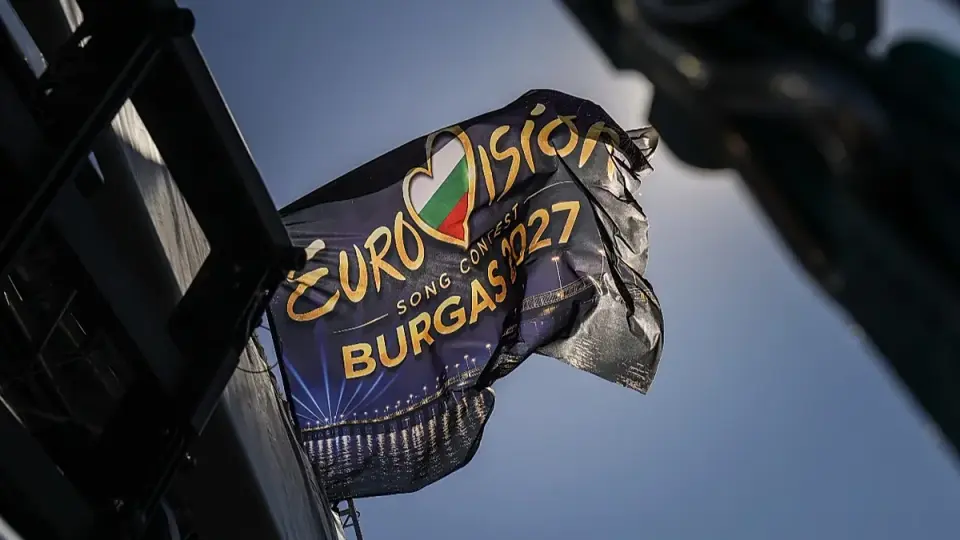
- The 2027 contest will take place in Burgas, Bulgaria, on May 15, following the 2026 win by Bulgarian singer Dara.
Background
The Netherlands previously boycotted the 2026 Eurovision Song Contest alongside Spain, Ireland, Iceland, and Slovenia, citing Israel’s participation and its military actions in Gaza. In August 2026, Dutch broadcaster AVROTROS announced it would not participate in 2027, but NPO stepped in to coordinate a return. This reversal highlights the ongoing tension between public broadcasters and societal views on the contest’s political dimensions. The 2026 competition saw a drop in viewership to 131 million, down from 166 million in 2025, reflecting broader concerns about the event’s relevance amid geopolitical conflicts.
How outlets are covering it
Euronews and ABC News both report that NPO’s decision to withdraw was driven by internal opposition and the inability to secure a participating broadcaster. Euronews emphasizes the role of the 400-employee letter and the criticism from media personalities, while ABC News highlights the reversal of the September decision and the joint project nature of the planned return. BBC focuses on the societal division caused by Israel’s participation, quoting NPO media director Jurre Bosman, and notes that the contest will still be broadcast in the Netherlands. All sources agree that the withdrawal is a response to sensitivities surrounding the current geopolitical climate, but Euronews and ABC News place more emphasis on the internal NPO dynamics, while BBC highlights the broader societal impact.
Why it matters
The Netherlands’ withdrawal underscores the deepening political and cultural divisions within European public broadcasting over the Eurovision Song Contest. It signals that the contest’s ability to unite Europe is being challenged by geopolitical conflicts, particularly regarding Israel’s participation. This decision may influence other countries’ participation and could lead to further changes in the contest’s structure or voting mechanisms. The event’s relevance and unity are being tested as public broadcasters weigh their roles in serving audiences amid polarizing issues.
What to watch
The 2027 Eurovision Song Contest will proceed in Burgas, Bulgaria, on May 15, without the Netherlands. Ireland has already confirmed its boycott, and Spain’s public broadcaster has expressed support for a boycott. The Czech Republic has also withdrawn, citing budget pressures. The EBU may continue to monitor the situation and potentially adjust rules to address divisions, such as excluding countries involved in armed conflicts from hosting. The Netherlands will still broadcast the event, and NPO may reconsider participation in future years if societal sensitivities ease.
- Eurovision in crisis: Netherlands make U-turn and pull out of Eurovision 2027 Euronews.com
- 36 countries to compete in Eurovision 2027 as Ireland, Netherlands stay out over Israel Reuters
- Eurovision gives Spain, Slovenia more time to decide on 2027 contest; Iceland seemingly out The Times of Israel
- After pushback, the Dutch reverse course and withdraw from Eurovision again ABC News - Breaking News, Latest News and Videos
- Netherlands pulls out of Eurovision again over Israel participation BBC
Want the full story? Read the original reporting
Read on Euronews.com