
NPR Staffers Review 21st-Century Music Fraud Scandals
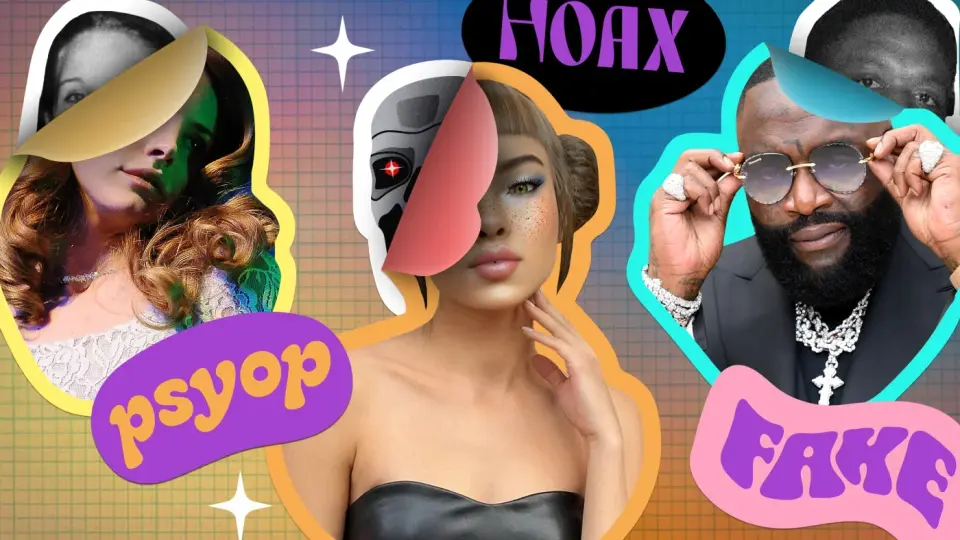
NPR Music staffers compiled a retrospective of notable 21st-century music scandals involving fabricated identities, plagiarism, and ghostwriting. The list includes the Scottish duo Silibil N' Brains, who pretended to be American; pianist Joyce Hatto, whose recordings were secretly performed by others; rapper Rick Ross, whose past as a prison guard was exposed; singer Lana del Rey, whose retro persona drew scrutiny; virtual influencer Lil Miquela, an AI persona; and the dispute between Lil Yachty and Karrahbooo over authorship. The collection highlights how definitions of authenticity have evolved with technology and industry trends.
Key points
- Silibil N' Brains, a Scottish hip-hop duo, adopted American accents and personas to secure a record deal in the early 2000s, maintaining the deception for several years.
- Pianist Joyce Hatto released numerous albums in the 1980s and 1990s that were later revealed to be recordings by other musicians, manipulated by her husband, a record producer.
- Rick Ross faced scrutiny in 2008 when photos revealed his past employment as a correctional officer, contradicting his 'gangsta' image, though he continued to achieve commercial success.
- Lana del Rey faced criticism in 2012 for her retro aesthetic and perceived inauthenticity, though her songwriting has since been widely acclaimed.
- Lil Miquela, a virtual influencer and musician created by Brud, gained millions of followers before officially revealing her AI nature in 2018.
- A dispute between Lil Yachty and Karrahbooo highlighted gendered dynamics in hip-hop, with Yachty claiming authorship of Karrah's verses and image.
Background
This retrospective follows NPR's ongoing coverage of authenticity in music, including recent discussions on AI-generated content and the challenges of verifying artist identities in the digital age. The archive contains no prior specific coverage of these historical scandals, but the current piece situates them within a broader 2026 discourse on musical fraudulence and technological disruption.
Why it matters
The compilation illustrates how the music industry's definition of authenticity has shifted from physical presence and biographical truth to creative output and technological capability. It underscores the enduring tension between performance and reality, particularly as AI and digital tools make fabrication easier and more prevalent.
What to watch
NPR is continuing its week-long examination of factors contributing to the perceived rise in musical fraudulence in 2026, including essays on the desire for authenticity and podcasts discussing the difficulty of distinguishing real from fake in contemporary music.
Want the full story? Read the original reporting
Read on NPR