
SNL's 'Sister' sketch sparks viral debate over unpaid female caregiving
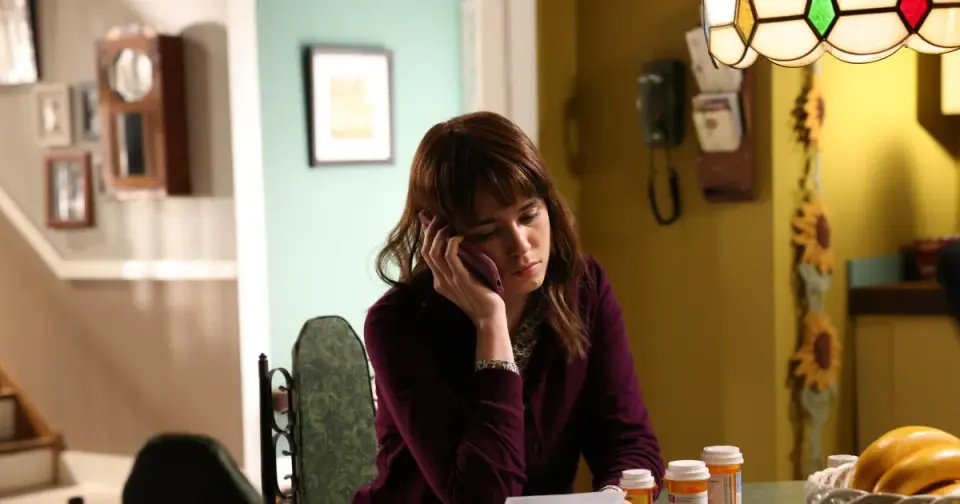
A satirical 'Saturday Night Live' sketch titled 'Sister' has gone viral, mocking the societal expectation that women serve as unpaid, full-time caregivers for aging parents. The sketch, written by Mikey Day and others, features John Mulaney as a brother who outsources his father's care to his sister, highlighting the 'mental load' and logistical burden placed on women. While the video has garnered millions of views and comments, experts and viewers note that the sketch resonates because it exposes a systemic failure in eldercare support, where women are often the default providers despite having jobs and children of their own.
Key points
- The sketch, aired on November 14, 2026, parodies a healthcare ad where a brother hires his sister as a free, 24/7 live-in caregiver for his aging father.
- The video has accumulated over 12 million views on Instagram and 4 million on YouTube, with thousands of comments from women identifying with the depicted scenarios.
- Critics and experts argue the sketch highlights the 'invisible' mental load women carry, including coordinating medical appointments and managing household logistics, often without financial compensation.
- The sketch includes a disclaimer that the 'Sister' service is void if the sister has a good therapist, a line that drew criticism for potentially blaming women for systemic issues.
- While the sketch focuses on sisters, commentators note that many women are simultaneously caring for aging parents and young children while maintaining full-time employment.
Background
This story follows a recent trend of SNL sketches addressing social issues, such as the November 17 parody of tech CEOs and the November 7 interruption by Texas senator-elect James Talarico. The 'Sister' sketch, however, has generated a distinct cultural conversation regarding gendered labor and healthcare policy, contrasting with the political satire of previous episodes.
How outlets are covering it
The Los Angeles Times frames the sketch as a 'scathing indictment' of a society that assigns caregiving duties to women by default, noting that the U.S. lacks national childcare aid found in comparable governments. CBC emphasizes the Canadian context, citing Statistics Canada data that nearly half of caregivers are men, but argues women still bear the 'mental load' of organizing family lives. NPR highlights the emotional resonance for women, with writer Liz Plank noting that the sketch validates frustrations that have been ignored for decades. AARP focuses on the practical implications, suggesting that families should frame caregiving as a shared responsibility to ensure fairness among siblings. While all sources agree the sketch is accurate, they differ on the primary takeaway: the LA Times focuses on systemic neglect, CBC on the mental burden, NPR on the emotional validation, and AARP on family negotiation strategies.
Why it matters
The viral nature of the sketch underscores a widespread dissatisfaction with the current eldercare system, where unpaid labor is disproportionately shouldered by women. It highlights the need for policy changes and family-level conversations to distribute caregiving responsibilities more equitably, preventing the collapse of individual well-being and family relationships.
What to watch
The conversation is likely to continue as more viewers share the sketch, potentially influencing public discourse on eldercare policy and family dynamics. Experts are urging families to have early conversations about caregiving roles to prevent future resentment and ensure equitable distribution of labor.
- ‘SNL’s’ ‘Sister’ skit said the quiet bit out loud: It’s not that men can’t; they just don’t want to Los Angeles Times
- ‘See you at the funeral’: Viral SNL ‘Sister’ sketch hits daughters where it hurts The Boston Globe
- An SNL sketch about elder care has gone viral. B.C. caregivers explain why CBC
- Why an SNL comedy sketch about caretaking went viral NPR
- 'Sister' Caregiving Sketch on ‘SNL’ Hits a Nerve AARP
Want the full story? Read the original reporting
Read on Los Angeles Times