
Whalefall: Scientists and Critics Debate the Plausibility of a Man Surviving a Sperm Whale
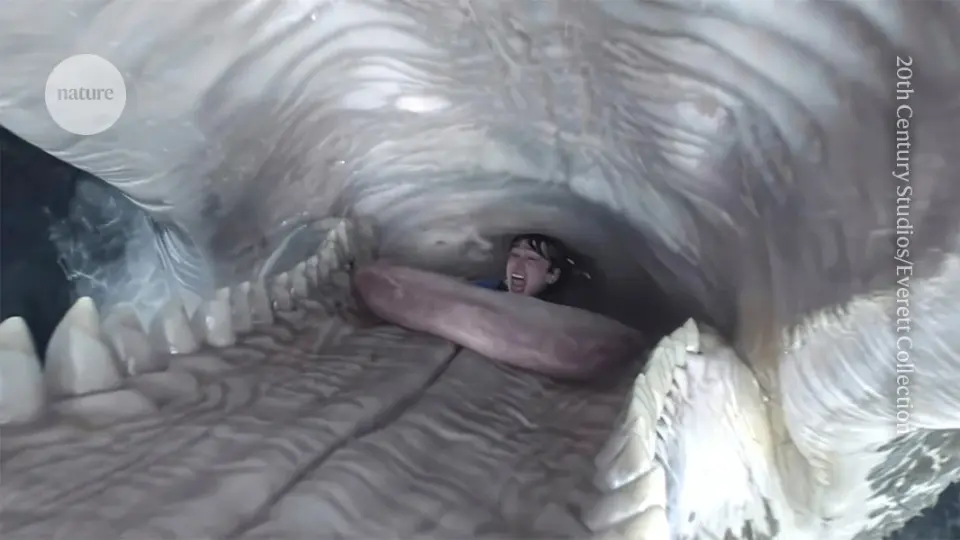
The 2026 film 'Whalefall' depicts a scuba diver trapped inside a sperm whale, a premise that marine biologists deem highly improbable due to depth and prey size constraints. While the movie’s visual effects and anatomical details are praised for accuracy, critics remain divided on its melodramatic narrative.
Key points
- The film, released October 16, 2026, is based on Daniel Kraus’s 2023 novel and directed by Brian Duffield.
- Marine biologists note that sperm whales feed on small squid at depths exceeding 3,000 feet, making the shallow-water ingestion of a human physically unlikely.
- Anatomists confirm that a human’s bones and scuba gear could theoretically prevent the whale’s stomach muscles from fully constricting the victim.
- The film’s ending was altered after test screenings to include a family reconciliation scene, a change resisted by the director and lead actor initially.
- Critics praise the realistic depiction of whale scars and bioluminescence but criticize the film’s inconsistent tone and melodramatic subplots.
Background
Recent coverage has highlighted the polarized reception of 'Whalefall,' with some outlets praising its visual effects while others criticize its emotional narrative. The film joins a 2026 trend of genre films exploring paternal loss, sparking debate over whether its literal interpretation of grief is effective or excessive.
How outlets are covering it
Nature and Slate emphasize the scientific inaccuracies of the premise, noting that sperm whales are oceanic predators that do not feed on humans or at shallow coastal depths. However, they acknowledge that the film’s depiction of stomach chambers and whale scars is anatomically grounded. The New York Times criticizes the film as 'too literal for its own good,' focusing on the melodramatic father-son dynamic. The Hollywood Reporter highlights behind-the-scenes tensions, noting that director Brian Duffield and star Austin Abrams resisted the studio-mandated epilogue, which was added to provide emotional closure. While Nature focuses on the biological feasibility, The Hollywood Reporter focuses on the creative compromises made during production.
Why it matters
The film serves as a cultural touchstone for 2026’s trend of blending survival thrills with grief narratives. It also highlights the collaborative process between Hollywood and scientific advisors, demonstrating how real-world biology can be adapted for cinematic effect, even when the core premise is scientifically improbable.
What to watch
Audiences will continue to debate the film’s artistic merit versus its scientific plausibility. The studio has chosen to keep the contents of the father’s final letter ambiguous, leaving interpretation to the viewer. Future discussions may focus on the film’s box office performance and its impact on the 'daddy issues' genre trend.
- Can a human survive in a whale’s belly? The science behind the thriller Whalefall Nature
- ‘Whalefall’ Review: In the Belly of the Beast The New York Times
- ‘Whalefall’ Director Brian Duffield and Star Austin Abrams Resisted the New Ending Before Embracing It The Hollywood Reporter
- How Realistic Is the Buzzy New Movie About Getting Swallowed by a Whale? A Whale Biologist Weighs In. Slate
- Clunky emotion gets in the way of Whalefall's intense survival story CultureMap Austin
Want the full story? Read the original reporting
Read on Nature