
Morrison’s Historic Everest Ski Descent: A Grief-Driven Triumph Documented by Chin
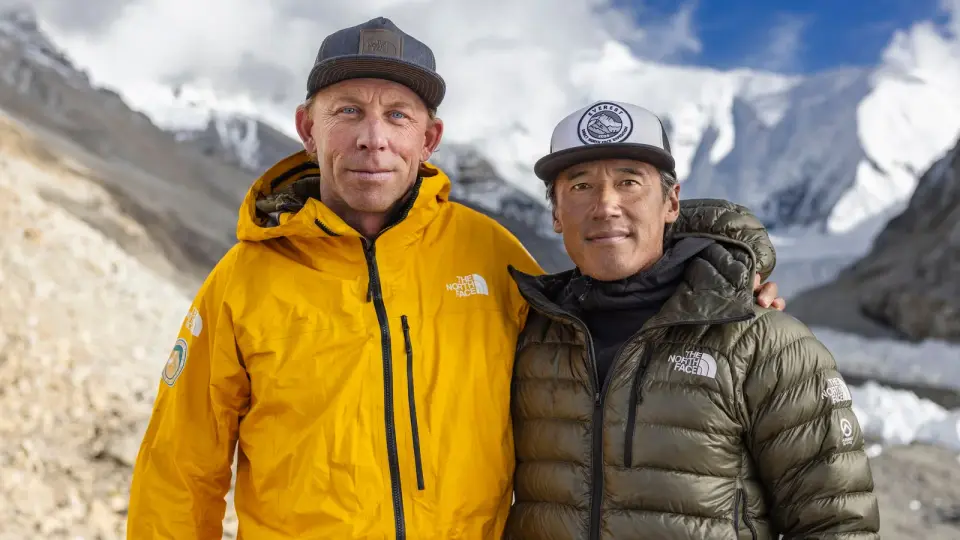
The documentary 'Everest: The Other Side' chronicles ski mountaineer Jim Morrison’s historic descent of Mount Everest’s north face, a feat completed in October 2025 as a tribute to his late partner, Hilaree Nelson. Directed by Jimmy Chin and Elizabeth Chai Vasarhelyi, the film captures the perilous three-year production process, Morrison’s profound grief, and the unprecedented technical achievement of skiing the 'Super Direct' route.
Key points
- Jim Morrison completed the first-ever ski descent of Mount Everest’s north face via the Super Direct route in October 2025, a line considered the 'holy grail' of ski mountaineering.
- The descent was a tribute to Hilaree Nelson, Morrison’s partner, who died in an avalanche on Manaslu in September 2022 while filming the documentary.
- The film was directed by Jimmy Chin and Elizabeth Chai Vasarhelyi, known for 'Free Solo,' and involved a multi-year production with numerous technical and logistical challenges.
- Morrison had previously lost his wife and two children in a plane crash in 2011, adding layers of personal tragedy to his quest.
- The documentary premiered at the Telluride Film Festival and has received mixed critical reactions regarding its handling of real-life death and corporate sponsorship.
Background
Jim Morrison and Hilaree Nelson were prominent figures in the ski mountaineering community, both sponsored by The North Face. Their relationship and shared ambition for the Everest descent began after their successful 2018 first descent of the Lhotse Couloir. Morrison’s personal history includes the 2011 plane crash that killed his wife, Katie, and their two children, Wyatt and Hannah. The documentary 'Everest: The Other Side' is part of a broader trend of high-altitude adventure films by Chin and Vasarhelyi, following 'Free Solo' and 'Meru.'
How outlets are covering it
The New York Times critic Manohla Dargis praised the film’s visual spectacle but criticized the inclusion of Nelson’s fatal fall as exploitative, arguing that real death is too common in media to warrant such graphic depiction. In contrast, National Geographic and The New Yorker emphasized the emotional and spiritual significance of Morrison’s journey, framing the descent as a profound act of grief and perseverance. Outside highlighted the technical challenges of filming at extreme altitudes, noting the innovative methods used by the crew to capture the descent. The New Yorker also noted Morrison’s personal transformation and his ability to find meaning in the face of tragedy.
Why it matters
The documentary 'Everest: The Other Side' not only documents a historic athletic achievement but also explores the ethical and emotional complexities of filming real-life tragedy. It raises questions about the boundaries of documentary filmmaking and the impact of corporate sponsorship on the portrayal of extreme sports. The film’s release also highlights the ongoing risks and personal costs associated with high-altitude mountaineering, providing a poignant look at the human spirit in the face of adversity.
What to watch
The documentary 'Everest: The Other Side' is set to have a wide theatrical release, with further screenings and promotional events expected. Jim Morrison is likely to continue his involvement in the ski mountaineering community, potentially taking on new challenges or mentoring younger athletes. The film’s success may also influence future documentaries in the adventure genre, prompting discussions about the ethical representation of real-life risks and tragedies.
- To Make ‘Everest: The Other Side,’ Jim Morrison Had to Cheat Death One More Time Outside Magazine
- ‘Everest: The Other Side’ Review: Chancing Death The New York Times
- What Compelled Jim Morrison to Ski Down the Highest Mountain on Earth? National Geographic
- How Jim Morrison Surmounted Tragedy and Skied Down Everest The New Yorker
- 2 Unfathomable Tragedies Took Jim Morrison's Family. He Found Peace on Everest's Most Dangerous Face Men's Journal
Want the full story? Read the original reporting
Read on Outside Magazine