
Tippett Studio Ends 40-Year Run with Berkeley Fire Sale Amid Bankruptcy
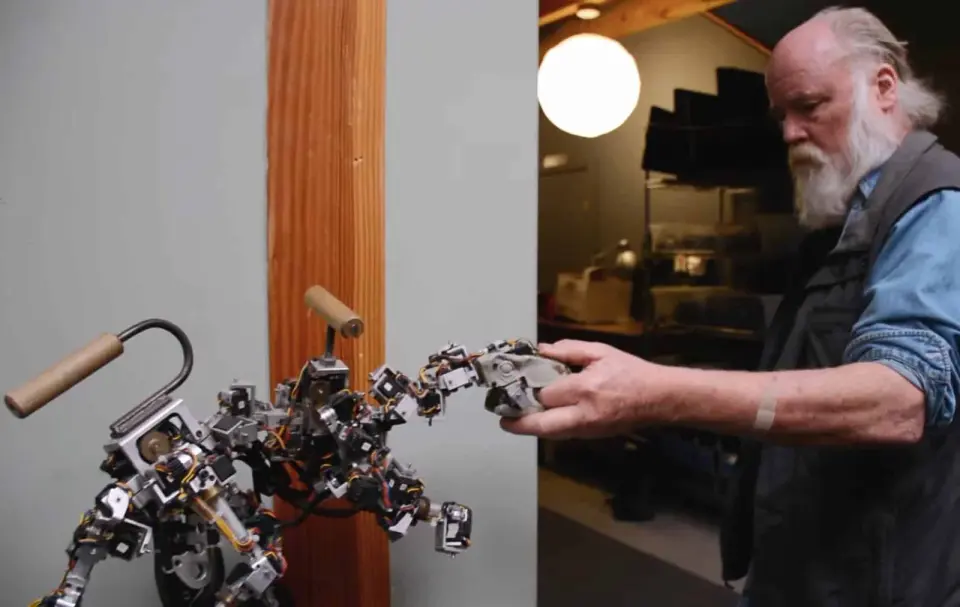
Phil Tippett, the Oscar-winning animator behind key visual effects in 'Star Wars' and 'Jurassic Park', has closed his Berkeley studio after nearly four decades. The closure follows a Chapter 11 bankruptcy filing and a failed acquisition by Indian firm PhantomFX in 2024. A three-day fire sale is currently underway at the studio’s location, offering decades of props, models, and equipment to the public. While Tippett retains his Academy Awards, he describes the liquidation as a painful but necessary step to clear the space. The event marks the end of an era for physical effects animation, though Tippett insists he is not fully retired and plans to continue working on new projects.
Key points
- Tippett Studio, founded in 1984, is closing its doors in West Berkeley after 40 years of operation.
- The closure is part of Chapter 11 bankruptcy proceedings following financial struggles and a 2024 acquisition by PhantomFX that did not prevent insolvency.
- A three-day fire sale (Aug 28-30) is auctioning off props, models, and equipment from films like 'Star Wars,' 'RoboCop,' and 'Starship Troopers.'
- Tippett is keeping his two Academy Awards for 'Return of the Jedi' and 'Jurassic Park' but has sold off most other memorabilia.
- The sale includes items from Tippett’s stop-motion masterpiece 'Mad God,' with some pieces reserved for a future exhibition in Los Angeles.
- Tippett cites the consolidation of Hollywood studios and shifting tax incentives as factors in the studio’s decline.
Background
Tippett Studio was a pioneer in physical effects, notably developing 'go motion' animation for the AT-ATs in 'The Empire Strikes Back.' The studio adapted to CGI in the 1990s but maintained a focus on practical effects. Its closure reflects broader industry shifts toward digital workflows and the financial instability of independent effects houses. The archive notes that this is the latest in a series of significant studio closures and asset liquidations in the entertainment sector, following similar moves by other major players in the late 2020s.
How outlets are covering it
Berkeleyside emphasizes the cultural loss of the studio’s physical artifacts, noting that many items are being sold to private collectors rather than museums. They highlight Tippett’s emotional attachment to the work, describing the sale as a 'painful decision.' CBS News focuses on the public reaction, detailing long lines of fans and former employees, including a former worker who built 'Jurassic Park' jeeps, seeking to reclaim personal connections to the studio. Cartoon Brew frames the event as the end of a 40-year run for a landmark effects house, underscoring the historical significance of Tippett’s career. All sources agree on the bankruptcy and sale details but differ in tone: Berkeleyside is nostalgic, CBS is community-focused, and Cartoon Brew is industry-oriented.
Why it matters
The closure of Tippett Studio signals the final chapter for a major hub of practical effects animation, a craft that defined blockbuster cinema from the 1970s through the 1990s. The fire sale represents a transfer of cinematic history from institutional control to private hands, raising questions about the preservation of physical film artifacts. For the industry, it highlights the financial fragility of specialized effects studios in an era dominated by digital workflows and corporate consolidation. For fans, it offers a rare, albeit bittersweet, opportunity to own pieces of iconic films, while also marking the symbolic end of an era in filmmaking history.
What to watch
The fire sale concludes on August 30, 2026, after which the building will be cleared. Some items, particularly those related to 'Mad God,' are being stored for a Los Angeles exhibition opening on October 10. Tippett has stated he is not fully retired and plans to continue working, though the future of his studio operations remains uncertain. The market for the sold memorabilia will likely see high demand from collectors, with prices potentially rising due to the scarcity of such items.
- Phil Tippett | Legendary animator shutting his studio, selling off decades of art and memorabilia Film Stories
- Everything (but the Oscars) must go! Legendary Berkeley special-effects studio holding fire sale this weekend Berkeleyside
- Phil Tippett studio in Berkeley closing; memorabilia and movie props up for grabs CBS News
- Phil Tippett Closes Berkeley Studio After Nearly 40 Years Cartoon Brew
- Movie animation artist Phil Tippett selling off prized props and memorabilia KION Central Coast
Want the full story? Read the original reporting
Read on Film Stories