
Documentary 'To Use a Mountain' Exposes Decades-Long Fight Over US Nuclear Waste Sites
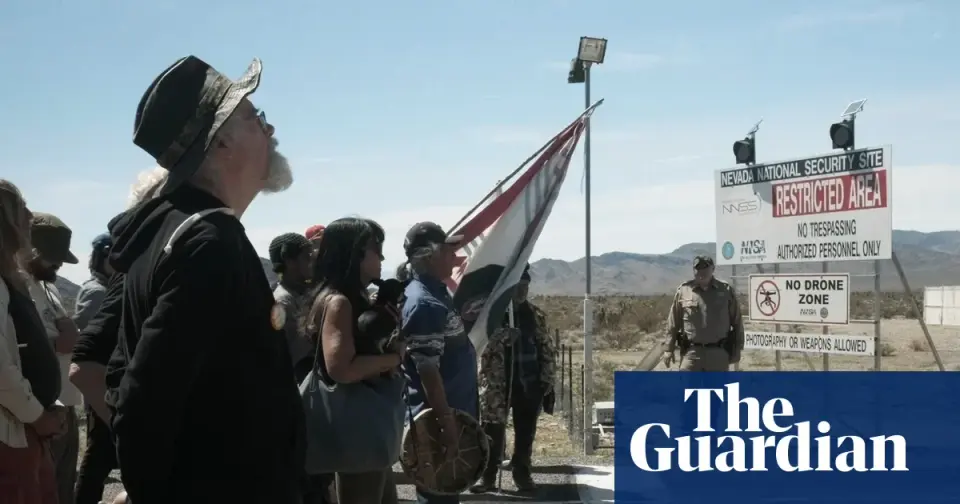
Casey Carter’s debut feature documentary, 'To Use a Mountain,' chronicles the US government’s 1982 search for a permanent nuclear waste repository, highlighting the environmental and social impact on six rural communities. The film contrasts clinical Department of Energy assessments with the lived experiences of residents, including Western Shoshone tribal members, to argue that nuclear waste disposal is a form of environmental violence. Released theatrically in August 2026, the 99-minute film uses experimental editing and archival documents to critique the ongoing lack of a permanent disposal solution, noting that the US still stores over 77,000 tons of high-level waste without a permanent site.
Key points
- The 1982 Nuclear Waste Policy Act initiated a search for a permanent repository for 77,000 tons of high-level nuclear waste, leading to the selection of Yucca Mountain in Nevada.
- The Yucca Mountain project was halted after decades of legal challenges and opposition from activists and politicians, leaving the US without a permanent disposal site.
- The documentary focuses on six rural communities considered for the repository, many of which were marginalized or had histories of environmental neglect.
- Western Shoshone tribal members, including principal Ian Zabarte, argue that the site selection violates treaty obligations and constitutes racial discrimination.
- The film uses an experimental style, combining Department of Energy documents with community interviews, avoiding traditional talking-head formats.
- Recent federal efforts to revive nuclear waste management include naming five states as finalists for 'nuclear lifecycle innovation campuses' in 2026.
Background
The US has struggled with nuclear waste disposal since the 1980s, with the Yucca Mountain project being the most prominent attempt at a permanent repository. The project faced significant opposition from local communities, environmental groups, and politicians, leading to its abandonment in the 2000s. The federal government has since paid utility companies billions of dollars to store spent fuel temporarily. The 2026 documentary 'To Use a Mountain' revisits this history, emphasizing the long-term impacts on rural and indigenous communities. The film’s release coincides with renewed federal interest in nuclear waste management, including the selection of new sites for waste handling.
How outlets are covering it
The Guardian emphasizes the film’s artistic approach and its critique of the government’s utilitarian view of rural communities, highlighting the environmental and social damage caused by nuclear waste. FilmCarnage praises the film’s design and its ability to balance clinical government documents with personal stories, though it notes that the experimental style may alienate some viewers. In Review Online criticizes the film for compressing personal testimonies, arguing that the poetic montage approach reduces the depth of community voices. The Moveable Fest highlights the director’s intent to juxtapose government documents with human experiences, noting the film’s structural approach and its focus on intergenerational relationships in affected communities. All sources agree on the film’s significance in addressing the unresolved issue of nuclear waste disposal in the US.
Why it matters
The documentary underscores the ongoing environmental and social consequences of nuclear waste disposal, particularly for marginalized and indigenous communities. It highlights the lack of a permanent disposal solution in the US and the potential for future conflicts over waste sites. The film’s release coincides with renewed federal efforts to address nuclear waste, making it a timely critique of government policies and their impact on rural communities. The documentary also serves as a reminder of the long-term risks associated with nuclear waste, including contamination of groundwater and food chains, and the need for more inclusive and transparent decision-making processes.
What to watch
The federal government plans to select three host states for 'nuclear lifecycle innovation campuses' by the end of 2026, which would handle spent fuel and waste management. The documentary’s release may influence public opinion and policy discussions around nuclear waste disposal. The film’s VOD release is expected in 2027, potentially reaching a wider audience. Continued opposition from local communities and indigenous groups may impact the selection of new waste sites.
- ‘Environmental violence’: inside the fight to save indigenous land from becoming a nuclear dumping ground The Guardian
- Review: To Use a Mountain filmcarnage.com
- To Use a Mountain — Casey Carter [Review] In Review Online
- Casey Carter on Raising Voices Around a Quiet Nuclear Catastrophe in “To Use a Mountain” The Moveable Fest
- TO USE A MOUNTAIN – The Story of Yucca Mountain Splash Magazines Worldwide
Want the full story? Read the original reporting
Read on The Guardian