Sunken Atlantic Nuclear-Waste Barrels Create Habitats as Contamination Is Studied
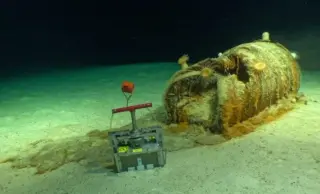
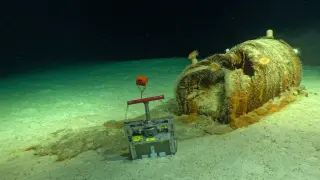
Between 1949 and 1982, more than 200,000 barrels (about 150,000 tons) of low-level radioactive waste were dumped on the Atlantic seafloor. A French-led NODSSUM expedition mapped thousands of barrels, finding corroded containers leaking radioactivity that oddly hosts sea life such as anemones and fish. Detected isotopes include cobalt-60, niobium-94, cesium-137, and americium-241, and researchers are studying whether any radioactivity is entering organisms or dispersing through the environment. Early results suggest no major radiation risk to scientists handling samples, but the work underscores long-term ecological questions about this underwater dump site.