
Documentary 'Who Killed Alex Odeh?' Exposes Decades of Impunity for 1985 Hate Crime
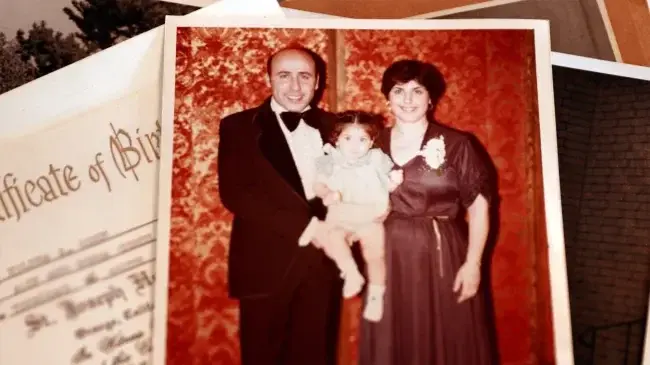
The new documentary 'Who Killed Alex Odeh?' investigates the unsolved 1985 pipe-bomb murder of Palestinian-American activist Alex Odeh in California. While the film argues that suspects from the Jewish Defense League were identified early, it highlights how political interference from the US and Israeli governments prevented prosecution. Critics note the film effectively exposes the systemic failure to address anti-Palestinian violence, though some find its structure uneven.
Key points
- Alex Odeh, the West Coast regional director of the American-Arab Anti-Discrimination Committee, was killed by a pipe bomb at his Santa Ana, California office on October 11, 1985.
- The documentary, directed by Jason Osder and William Lafi Youmans, argues that three suspects from the Jewish Defense League were identified within days of the attack but were allowed to flee to Israel due to political pressure.
- Israeli journalist David Sheen is featured in the film for his undercover efforts to locate and confront the suspects, including a visit to the West Bank and an interview with one suspect, Baruch Ben-Yosef.
- The film connects Odeh’s murder to the broader history of Jewish extremism, specifically the ideology of Meir Kahane, and argues that the US and Israeli governments suppressed the investigation to protect diplomatic relations.
- More than 40 years later, the case remains officially unsolved, and no suspects have been extradited or prosecuted, despite one suspect reportedly returning to the United States.
Background
This release arrives amid ongoing debates regarding anti-Arab and anti-Muslim prejudice in the United States, as highlighted by recent political campaigns. The film serves as a historical counterpoint to current discourse, demonstrating that such violence has deep roots in US foreign policy and domestic politics. It also joins a wave of recent documentaries focusing on the Israeli-Palestinian conflict, such as 'No Other Land' and 'NAZA', but shifts the focus to a domestic US hate crime from the 1980s.
How outlets are covering it
IndieWire critic David Ehrman praises the film for its 'searing' exposure of the political will to ignore anti-Palestinian violence, though he notes the film is 'scattered' and underdevelops the personal grief of Odeh’s family. The New York Times critic Alissa Wilkinson agrees that the film avoids typical true-crime tropes by focusing on context rather than mystery, calling it a vital examination of a 'terrible death.' Roger Ebert’s review highlights the film’s 'urgent' nature and its connection to the current conflict in Gaza, but criticizes its 'scattershot pacing' and the lack of deep insight into the family’s ongoing grief. All three outlets agree that the film successfully argues that the case was effectively solved but deliberately left unpunished due to geopolitical interests.
Why it matters
The documentary challenges the narrative that anti-Palestinian violence is a recent phenomenon, linking a 1985 murder to contemporary political dynamics. It highlights the role of state actors in suppressing justice for hate crimes, offering a historical lens on current debates regarding discrimination and government complicity in violence against Arab and Muslim communities.
What to watch
The film is currently playing in theaters. Given the renewed attention to the case, there may be renewed calls for the US government to revisit the investigation or for international bodies to pressure Israel regarding the suspects who fled there. The release also coincides with the fourth year of the war in Gaza, potentially amplifying public interest in historical precedents of anti-Palestinian violence.
- ‘Who Killed Alex Odeh?’ Review: A Scattered but Searing Documentary Examines America’s Tacit Acceptance of Anti-Arab Discrimination IndieWire
- ‘Who Killed Alex Odeh?’ Asks Good Questions About a Terrible Death The New York Times
- Who Killed Alex Odeh? review: Urgent doc investigates Palestinian activist's death Roger Ebert
- Give Me the Backstory: Get to Know Jason Osder and William Lafi Youmans, the Co-Directors Behind “Who Killed Alex Odeh?” sundance.org
- Weekend Film Reviews: ‘Queen at Sea,’ ‘Who Killed Alex Odeh?’ KCRW
Want the full story? Read the original reporting
Read on IndieWire