
Wicker: A Folk-Horror Romance Exploring Heteropessimism and Sentient Objects
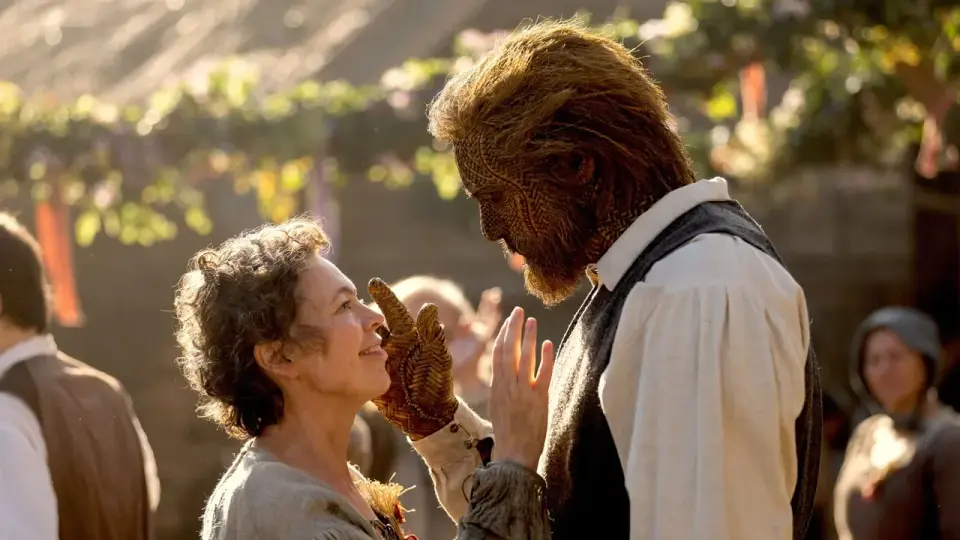
Wicker, a new film starring Olivia Colman and Alexander Skarsgård, has sparked widespread cultural discussion for its premise of a fisherwoman marrying a wicker-woven husband. The movie, adapted from a 2008 short story by Ursula Wills, blends folk horror with romantic comedy to explore gender roles and non-human relationships. While some view it as a satirical response to disillusionment with traditional marriage, others see it as a lighthearted escape from modern dating struggles.
Key points
- The film Wicker, directed by Alex Huston Fischer and Eleanor Wilson, features Olivia Colman as a fisherwoman who commissions a wicker husband from Peter Dinklage’s basket weaver, played by Alexander Skarsgård.
- The story originated from Ursula Wills’ 2008 short story 'The Wicker Husband,' which sat on a website for years before a producer contacted her to adapt it for the screen.
- The movie explores themes of patriarchal marriage, gender equality, and the appeal of non-human partners, resonating with audiences tired of traditional heterosexual relationships.
- Changes from the original story include a more developed backstory for the antagonist, Elizabeth Debicki’s character, and a clearer agency for the wicker husband, who chooses to love the fisherwoman.
- The film’s release has generated significant online discourse, with many women expressing enthusiasm for the concept of a low-maintenance, non-threatening partner.
Background
Wicker is part of a broader trend in media featuring non-human romantic partners, including romantasy novels and object-oriented erotica. The film’s success reflects a growing interest in stories that challenge traditional gender roles and relationship dynamics. The original short story by Ursula Wills was inspired by a wicker man statue in Cornwall, which lasted only three years, mirroring the lifespan of the wicker husband in the film.
How outlets are covering it
Vogue’s Emma Specter highlights the film’s humor and the audience’s reaction to its absurd premise, noting the excitement around the wicker husband’s design and the film’s playful take on gender roles. The Guardian’s Emma Beddington frames the film as a response to heteropessimism, suggesting that the wicker husband represents a desire for a partner without the burdens of traditional masculinity. Slate’s Rebecca Onion emphasizes the film’s origins in Wills’ short story and the changes made for the movie, such as the wicker husband’s agency and the more developed antagonist. While Vogue focuses on the film’s entertainment value, The Guardian and Slate delve into its cultural significance and the broader trends in non-human romance.
Why it matters
Wicker’s cultural impact reflects a shift in how audiences engage with traditional narratives of romance and gender roles. The film’s success suggests a growing appetite for stories that challenge conventional relationships and explore alternative forms of intimacy. By blending folk horror with romantic comedy, Wicker offers a satirical yet heartfelt commentary on modern dating and the burdens of traditional masculinity, resonating with a diverse audience.
What to watch
The film’s wide release is expected to continue generating discussion about its themes and cultural relevance. Ursula Wills’ upcoming book, featuring 12 other short stories, may further explore the fairy-tale style that inspired Wicker. Additionally, the original wicker man statue in Cornwall is being recreated by the artist’s children, potentially drawing new attention to the real-life inspiration behind the film.
- 82 Thoughts I Had While Watching ‘Wicker’ Vogue
- What does Olivia Colman's hot sex with a basket tell us about heteropessimism? | Emma Beddington The Guardian
- She Wrote a Short Story for a Random Website. Now It’s One of the Most Talked-About Movies of the Fall. Slate
- Alexander Skarsgård talks steamy “Wicker” scenes with Olivia Colman: ‘Sex was great’ Yahoo
- Wicker North America Box Office: Set To Beat Jason Statham’s Shelter To Become Black Bear’s Highest-Grossing Domestic Release! IMDb
Want the full story? Read the original reporting
Read on Vogue