
Cregger's 'Resident Evil' Reimagines the Franchise as a Study in Escalating Desperation
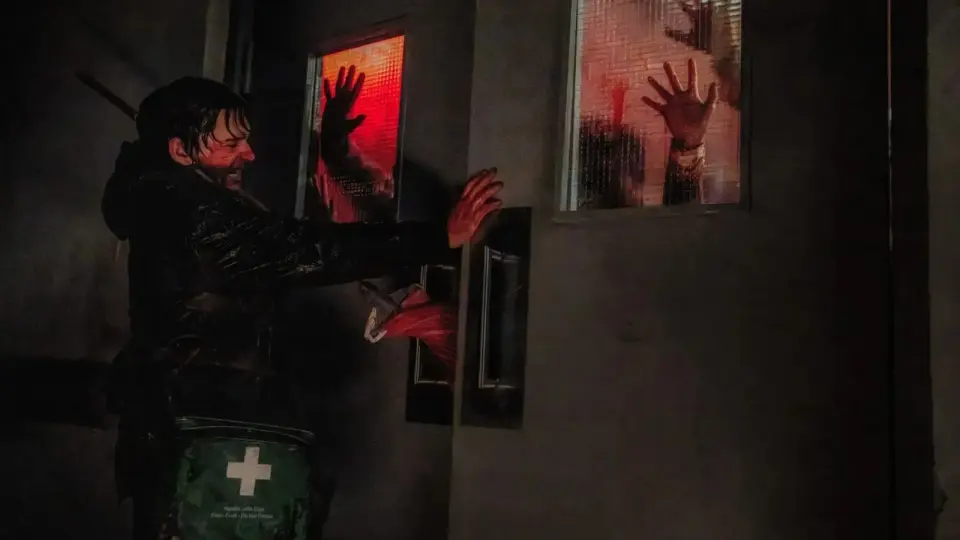
Zach Cregger's new 'Resident Evil' film, starring Austin Abrams as courier Bryan, abandons the franchise's iconic heroes for a gritty, survival-horror narrative. Set during the Raccoon City outbreak, the movie focuses on the mechanics of the games—scarcity, fear, and escalating chaos—rather than traditional action tropes. Critics praise its fidelity to the source material's anxiety, while some fans criticize the lack of familiar characters like Leon or Claire.
Key points
- The film centers on Bryan, a courier delivering a medical package to Raccoon City during a viral outbreak, avoiding the series' usual protagonists.
- Cregger emphasizes the 'helplessness' and resource scarcity of the games, featuring a protagonist who is often incompetent and constantly outmaneuvered by consequences.
- The narrative structure mirrors gameplay, including found footage, limited ammo, and a 'ball of corpses' antagonist that grows as it consumes victims.
- Cregger has openly discussed how his own sobriety and addiction experiences influenced the film's depiction of escalating panic and loss of control.
- The movie includes Easter eggs for fans, such as typewriters and specific location layouts, but prioritizes the emotional experience of playing over plot fidelity.
Background
This release follows a history of loose, action-oriented adaptations of the Capcom franchise, which were often criticized for deviating from the source material. The current film represents a shift toward a more faithful, atmospheric interpretation, aligning with recent trends in horror cinema that focus on psychological dread and procedural mechanics rather than spectacle.
How outlets are covering it
Outlets diverge significantly on the film's thematic intent. Defector's Sophie Abromowitz interprets the movie through the lens of addiction, noting that Cregger's background in sobriety informs the depiction of 'escalation' and the 'ball of corpses' as a metaphor for past mistakes. In contrast, Word on Fire's Dr. Kody W. Cooper argues the film is a pro-life, pro-fatherhood allegory, interpreting Bryan's fear of his pregnant girlfriend and the 'tumbleweed' monster as a rejection of parental responsibility. The Guardian's Keza MacDonald focuses on the technical fidelity, praising the film for replicating the 'mechanics' of the games, such as the tension of limited resources and the vulnerability of the protagonist, rather than focusing on character lore. While Defector and The Guardian highlight the film's accuracy to the gameplay experience, Word on Fire imposes a specific moral interpretation that is not explicitly stated in the source material.
Why it matters
The film marks a significant departure from previous 'Resident Evil' adaptations, which were often criticized for prioritizing action over horror. By focusing on the psychological and mechanical aspects of the games, Cregger's version appeals to both fans of the source material and audiences seeking a more grounded, anxiety-driven horror experience. It also highlights the growing trend of video game adaptations that prioritize the 'feel' of the medium over its narrative or character history.
What to watch
The film is currently in theaters, with audiences and critics debating its fidelity to the franchise. Cregger has released a video explaining his vision, which may influence future adaptations of video game properties. The film's success could set a new standard for how survival horror games are translated to the screen, focusing on the player's experience rather than the game's plot.
- Accept The Expanding Ball Of Infected Corpses You Cannot Change Defector
- How Zach Cregger’s Resident Evil stands out from all other game adaptations The Guardian
- ‘Resident Evil’: The Evil and Fear That Resides in Every Man Word on Fire
- Cinephiles: Resident Evil, the fun horror movie spectatornews.com
- Resident Evil Memphis Flyer
Want the full story? Read the original reporting
Read on Defector