
Bourdain biopic 'Tony' sparks debate over myth versus reality
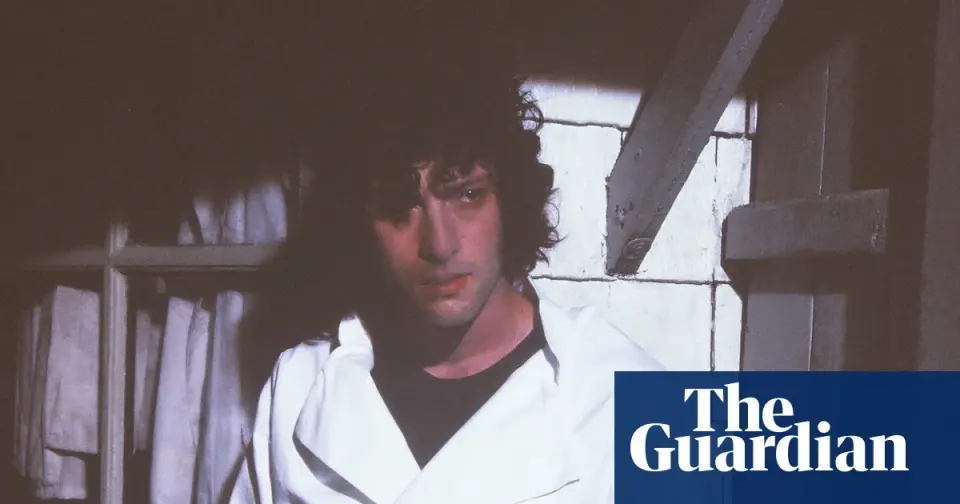
Matt Johnson's biopic 'Tony' reimagines Anthony Bourdain's 1975 Provincetown summer as a mythic origin story, drawing praise for its emotional resonance but criticism for glossing over the darker realities of his early life and legacy.
Key points
- The film, starring Dominic Sessa, focuses on Bourdain's first job as a dishwasher at the Flagship restaurant in Cape Cod.
- It portrays the kitchen as a place of brutal hierarchy and belonging, where Bourdain found his first sense of identity.
- The movie omits significant details about Bourdain's drug use and the exploitative culture he later criticized.
- Close friends and colleagues express mixed feelings, with some feeling the film misrepresents his complex legacy.
- The release coincides with a broader reckoning over the romanticization of toxic restaurant cultures.
Background
Bourdain's 2000 memoir 'Kitchen Confidential' revolutionized food writing by exposing the brutal realities of professional kitchens. His later TV work, 'Parts Unknown,' expanded his focus to global street food, while his personal life was marked by struggles with addiction and a tragic suicide in 2018. The film 'Tony' arrives eight years after his death, revisiting the formative period that inspired his most famous work.
How outlets are covering it
The Guardian highlights the emotional complexity of Bourdain's early life, noting how the film's release has been difficult for those who knew him, such as Joel Rose, who feels the film misrepresents his private struggles. The Washington Post criticizes the film for presenting Bourdain's Provincetown years as a 'hopeful spark' rather than the beginning of a descent, arguing it ignores the darker aspects of his life. Airmail.news focuses on Dominic Sessa's performance, emphasizing the film's authenticity in portraying kitchen dynamics, while our archive notes the film's departure from strict biographical accuracy in favor of a mythic, superhero-like narrative.
Why it matters
The film's release reignites debate over how to portray complex figures like Bourdain, balancing the allure of their public persona with the realities of their private struggles. It also reflects a broader cultural reckoning with the toxic aspects of restaurant cultures that Bourdain himself later criticized.
What to watch
The film's reception will likely influence how future biopics handle the lives of public figures, particularly those with controversial or tragic endings. It may also spark further discussions about the ethics of romanticizing difficult pasts in media.
- Sex, drugs and washing dishes: inside Anthony Bourdain’s unruly younger years The Guardian
- Analysis | What the Anthony Bourdain biopic misses about his life and legacy The Washington Post
- The True Story Behind Tony Yahoo
- The new movie about Anthony Bourdain is none of the things you fear it could be NPR
- Dominic Sessa's Unlikely Path to "Tony" airmail.news
Want the full story? Read the original reporting
Read on The Guardian