
Fielder and Oppenheim Admit No Clarity on Holmes' Motives in 'You Can See Everything'
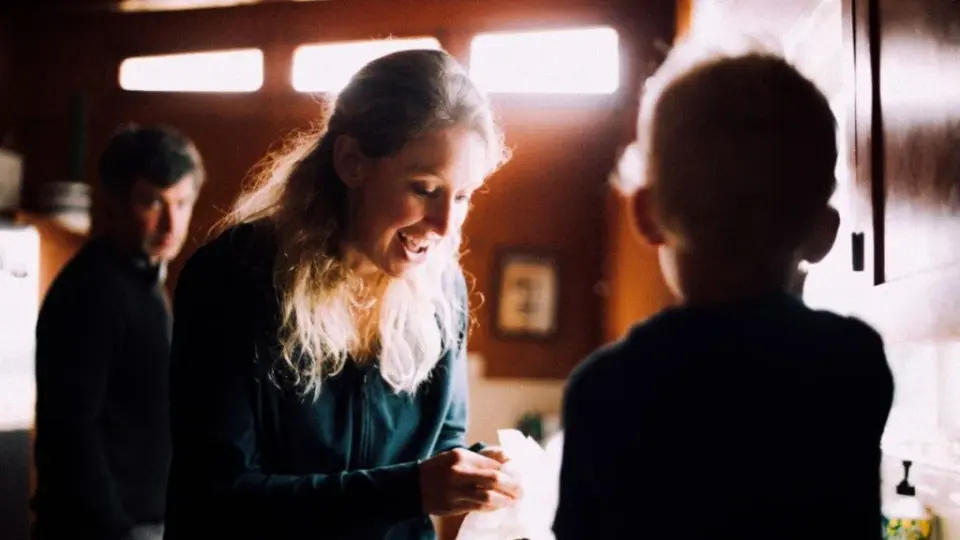
Nathan Fielder and Lance Oppenheim have no clarity on why Elizabeth Holmes and Billy Evans invited them into their lives during her final month of freedom. The directors of the hit documentary 'You Can See Everything' explained that they negotiated a 'kill switch' with A24 to allow them to abandon the project if it failed, and that Holmes and Evans repeatedly insisted they stay despite the filmmakers' offers to leave. The film, which includes re-enactments by Amanda Seyfried, has become a box office phenomenon and sparked debate over its genre and artistic choices.
Key points
- Nathan Fielder and Lance Oppenheim stated they have no clarity on why Elizabeth Holmes and Billy Evans invited them into their home in the final month before Holmes' prison sentence.
- The directors negotiated a 'kill switch' with A24, allowing them to abandon the project if it did not work, which gave them freedom to explore without pressure.
- Holmes and Evans repeatedly insisted the filmmakers stay, despite Fielder and Oppenheim offering to leave if tensions ran high or if the family regretted their decision.
- The film includes re-enactments by Amanda Seyfried, who previously played Holmes in 'The Dropout', to help complete the story after access to Holmes was lost.
- The documentary has become a box office phenomenon, grossing $45 million in ten days, and has sparked debate over whether it qualifies as a documentary or a unique hybrid genre.
Background
The documentary 'You Can See Everything' documents the final 34 days of Elizabeth Holmes' freedom before her 11-year prison sentence for fraud. The film has become a cultural phenomenon, sparking debate over its genre and artistic choices. Previous coverage noted that the film's shower scene was initiated by Billy Evans, and that Amanda Seyfried's involvement was kept secret until the film's release. The film has also driven a surge in viewership for 'The Dropout', the Hulu series in which Seyfried played Holmes.
How outlets are covering it
AV Club emphasizes the filmmakers' ongoing confusion about Holmes' motives and their willingness to leave if tensions ran high. The Hollywood Reporter focuses on the film's box office success and the directors' discussion of the film's formal choices, including the use of re-enactments and the 'kill switch' clause. Variety highlights the 'kill switch' negotiation and how it gave the filmmakers freedom to explore without pressure. All three sources agree that the film has become a cultural phenomenon and that the directors have no clarity on Holmes' motives.
Why it matters
The documentary 'You Can See Everything' has become a box office phenomenon and has sparked debate over its genre and artistic choices. The filmmakers' admission that they have no clarity on Holmes' motives adds to the film's ambiguity and has fueled discussion about the nature of documentary filmmaking. The film's success has also driven a surge in viewership for 'The Dropout', the Hulu series in which Amanda Seyfried played Holmes.
What to watch
The film is expected to continue its box office run and may be nominated for the best picture Oscar. The directors may continue to discuss the film's making and the ambiguity of Holmes' motives in future interviews. The film's success may also lead to further discussion about the nature of documentary filmmaking and the role of re-enactments in documentary films.
- Nathan Fielder and Lance Oppenheim have no more "clarity" on Elizabeth Holmes' motives now than when they started A.V. Club
- You Can See Everything: Nathan Fielder, Lance Oppenheim on Its Twists The Hollywood Reporter
- ‘You Can See Everything’ filmmakers: ‘We were responding to a real-life human optical illusion’ Gold Derby
- Nathan Fielder Negotiated a 'Kill Switch' on 'You Can See Everything' Variety
- Billy Evans Showed You Can See Everything Directors Videos of Elizabeth Holmes Crying Before Filming AOL.com
Want the full story? Read the original reporting
Read on A.V. Club