
Behind the Scenes of a Classic: How Rob Reiner’s Stand By Me Survived Studio Cancellations to Define Coming-of-Age Cinema
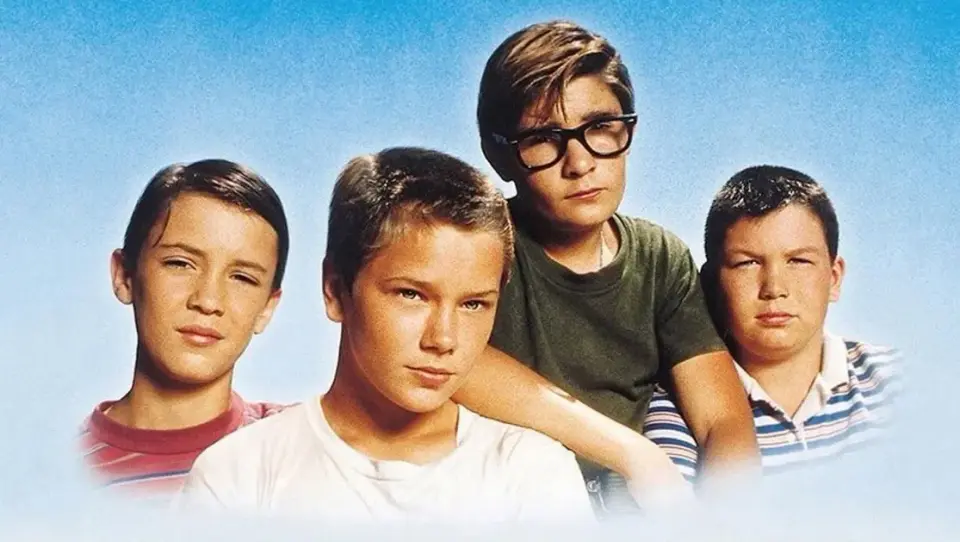
Marking its 40th anniversary, Rob Reiner’s Stand By Me is celebrated as a definitive coming-of-age drama. Adapted from Stephen King’s novella The Body, the film faced significant production hurdles, including a studio cancellation and a director change, before becoming a box-office and critical success. Its enduring legacy rests on its authentic portrayal of friendship, loss, and the transition to adulthood, with a soundtrack that revitalized Ben E. King’s 1961 hit.
Key points
- The film originated from Stephen King’s 1982 novella The Body, with producer Bruce A. Evans securing rights after initial studio hesitation over the $100,000 fee.
- Adrian Lyne was the initial director but dropped out due to salary disputes, leading Andrew Sheineman to recommend Rob Reiner, who was then a relatively unknown director.
- Columbia Pictures canceled the production after acquiring Embassy Pictures, but Norman Lear invested $7.5 million of his own money to save the project, with Columbia eventually handling distribution.
- The title was changed from The Body to Stand by Me to avoid audience confusion, inspired by Ben E. King’s song, which re-entered the Top 10 charts in 1986.
- Reiner employed practical effects and a 600mm lens for the train scene, and used improvisation exercises to build camaraderie among the young cast, including Wil Wheaton and River Phoenix.
Background
Our previous coverage in August 2026 highlighted Stand By Me as a bittersweet portrait of friendship, emphasizing the tonal balance between nostalgia and the harsh realities of growing up. The film’s themes of mortality and innocence have remained resonant, positioning it as a benchmark for the genre alongside other 1980s classics.
How outlets are covering it
Flickering Myth focuses on the logistical and financial struggles of the production, detailing the shift from Adrian Lyne to Rob Reiner and the near-cancellation by Columbia Pictures. The Guardian emphasizes the film’s tonal complexity, noting how Reiner balances humor with underlying dread, and compares the film’s nostalgic elements to George Lucas’s American Graffiti. While Flickering Myth highlights the technical ingenuity of the train scene, The Guardian focuses on the emotional depth of the performances, particularly River Phoenix’s nuanced portrayal of a tough yet vulnerable character. Both sources agree on the film’s critical acclaim and its status as a definitive coming-of-age story, but they differ in their emphasis on production history versus artistic merit.
Why it matters
Stand By Me’s 40th anniversary underscores its enduring cultural impact as a film that successfully adapted a literary work into a cinematic classic. Its ability to balance commercial appeal with emotional authenticity has influenced subsequent coming-of-age narratives, and its soundtrack’s resurgence demonstrates the film’s lasting connection with audiences. The production’s survival against studio cancellations highlights the importance of creative vision and financial risk-taking in filmmaking.
What to watch
As the film continues to be available on streaming platforms like HBO Max and Tubi, its legacy will likely be reinforced through new generations of viewers. The 40th anniversary may prompt further retrospectives and discussions on its influence on 1980s cinema and the coming-of-age genre.
- Stand by Me at 40: The Story Behind the Masterful Coming-of-Age Classic Flickering Myth
- 40 Years Ago Today: Stephen King Movie With Four Future Stars Became A $52 Million Generational Classic IMDb
- Stand By Me at 40: Rob Reiner’s seminal coming-of-age saga remains a bittersweet triumph The Guardian
- 1986 Rob Reiner Classic, Ranked Among the 'Greatest Movies of All Time,' Still Holds Up at 40 Yahoo
- 9 Incredible "Stand By Me" Behind-The-Scenes Stories Wil Wheaton Shared For The 40th Anniversary BuzzFeed
Want the full story? Read the original reporting
Read on Flickering Myth