
Gregg Araki’s I Want Your Sex Debuts on 700 Screens, Framing Queer Joy as Resistance
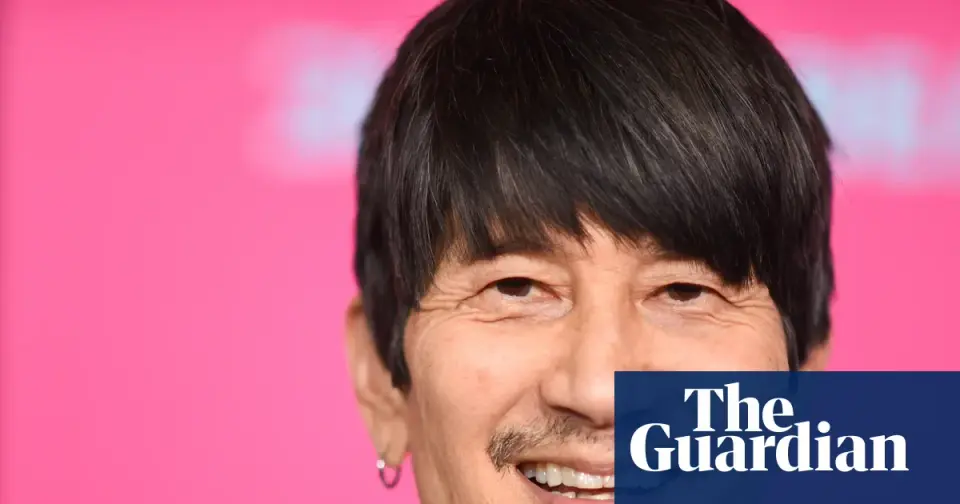
Gregg Araki’s new film I Want Your Sex is set to open on 700 US screens, marking his widest release to date. The movie, starring Olivia Wilde and Cooper Hoffman, explores kink and power dynamics through a heterosexual lens, which Araki describes as a 'queer story.' He argues that sexual repression fuels global violence and that the film offers a necessary counter-narrative of joy and inclusivity in a politically hostile climate.
Key points
- I Want Your Sex opens on 700 US screens, surpassing recent wide releases by indie veterans like Jim Jarmusch and Nicolas Winding Refn.
- The film features Olivia Wilde as a sexually carnivorous artist and Cooper Hoffman as her assistant, exploring a dynamic Araki flipped from a male-dominant script to a female-dominant one post-#MeToo.
- Araki cites a 2022 study on Gen Z having less sex as inspiration for the plot, aiming to provoke conversation about fear and intimacy.
- The director contrasts the film’s explicit nature with what he views as sanitized sex in recent mainstream releases like Babygirl and Heated Rivalry.
- Araki frames the film as a response to current political repression, stating that 'all the terrible shit in the world is because of sexual repression.'
- The cast includes Charli xcx, Johnny Knoxville, and Margaret Cho, with Araki noting that Wilde was chosen for her fearlessness and lack of concern for public opinion.
Background
Araki’s previous work, including Mysterious Skin and The Living End, established his reputation for unflinching depictions of sexuality and trauma. Recent archive coverage noted that I Want Your Sex was delayed after initial funding fell through and was reworked after Now Apocalypse. Earlier reports highlighted Wilde’s advocacy for age-gap romances and the film’s exploration of digital-age intimacy, while critics noted the film’s lighter tone compared to Araki’s earlier, more biting satires.
Why it matters
The film’s wide release signals a shift in how independent, sexually explicit content is distributed, challenging the notion that such material is niche. It also highlights the ongoing tension between artistic expression and political repression, positioning queer joy as a form of resistance against conservative cultural policies.
What to watch
The film is currently in US theaters, with Australian and UK releases scheduled for late August. Araki continues to promote the film, emphasizing its role in sparking dialogue about sexual freedom and the impact of repression on societal violence.
Want the full story? Read the original reporting
Read on The Guardian