
HBO documentary exposes 43-year-old wrongful conviction in Baltimore
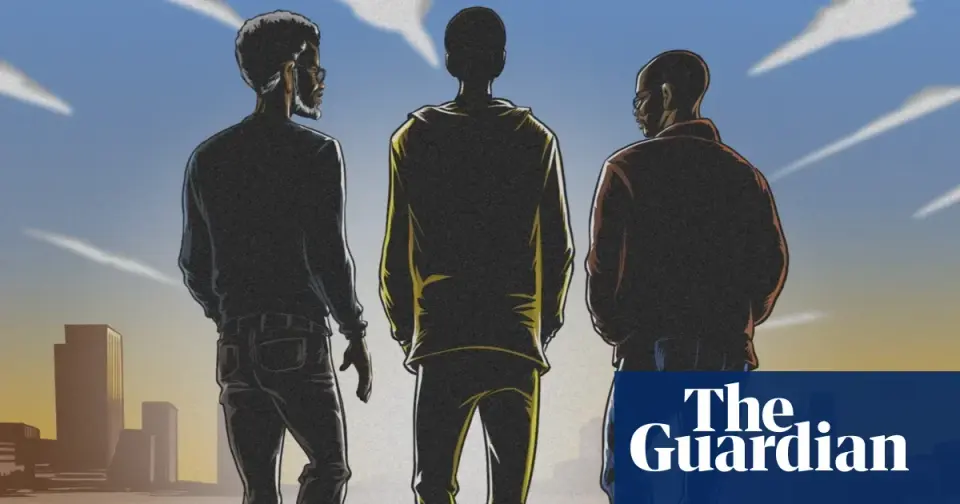
HBO premieres 'When a Witness Recants,' a documentary directed by Dawn Porter and produced by Ta-Nehisi Coates, detailing the 1983 murder of DeWitt Duckett and the subsequent wrongful conviction of three Baltimore teenagers. The film reveals how coerced testimony and withheld evidence led to the imprisonment of Alfred Chestnut, Ransom Watkins, and Andrew Stewart for 36 years. The men were exonerated in 2019 after a records request uncovered police misconduct, leading to a $48 million settlement with the city of Baltimore.
Key points
- The documentary, premiering November 18, 2026, investigates the 1983 shooting of 14-year-old DeWitt Duckett in a West Baltimore school hallway.
- Alfred Chestnut, Ransom Watkins, and Andrew Stewart, all 16 at the time, were convicted in 1984 based on coerced testimony from a witness named Ron Bishop.
- Bishop was pressured by detective Donald Kincaid to identify the three teens, despite initially failing to identify them in photo lineups.
- The three men were exonerated in November 2019 after Chestnut obtained withheld police records in 2018, revealing evidence pointing to a different suspect, Michael Willis.
- The city of Baltimore settled a federal lawsuit in 2023 for $48 million, the highest amount awarded in Maryland for a wrongful conviction case.
- The film features a raw meeting between the exonerated men and Bishop, where no forgiveness was offered, highlighting the unhealable nature of the trauma.
Background
This case follows a pattern of long-delayed justice in criminal investigations, similar to the 40-year-old Louisiana cold case covered in our October 2026 archive. The documentary joins a broader wave of media scrutiny on historical wrongful convictions, including the renewed interest in the Theranos documentary 'The Inventor' noted in late October 2026. The focus on systemic failure in the justice system aligns with recent coverage of racial injustice and institutional accountability.
How outlets are covering it
The Guardian emphasizes the emotional impact on Ta-Nehisi Coates, who grew up in West Baltimore and was eight years old during the 1983 murder. Coates describes the event as the moment he realized he lived in a 'dangerous world' distinct from the rest of America. People.com provides a detailed factual timeline, highlighting the specific procedural failures, such as the judge sealing records and the prosecutor suppressing evidence. Rolling Stone focuses on the personal resilience of the three men, noting their refusal to implicate each other for parole and their desire to help other exonerated individuals. The Baltimore Sun notes the documentary's release but offers limited detail due to paywall restrictions. All sources agree on the core facts of the conviction and exoneration, but differ in emphasis: The Guardian and Rolling Stone focus on the emotional and systemic trauma, while People.com focuses on the legal and procedural mechanics of the case.
Why it matters
The documentary highlights the enduring consequences of wrongful incarceration and the importance of conviction integrity units in uncovering past injustices. It serves as a case study in how police misconduct and prosecutorial overreach can destroy lives, and how the pursuit of truth, even decades later, can lead to accountability and financial restitution. The film also challenges the narrative of reconciliation, showing that the damage of wrongful conviction may be unhealable, even after exoneration.
What to watch
The documentary is available on HBO and HBO Max in the US and UK as of November 18, 2026. The three men, now in their 50s, are rebuilding their lives, with Chestnut having a young daughter. The case may inspire further reviews of other wrongful convictions in Maryland and beyond, as the men hope their story will raise awareness of similar cases.
- Ta-Nehisi Coates on the shocking case that shattered his childhood and inspired new HBO documentary The Guardian
- New HBO doc revisits wrongful conviction in 1983 Baltimore murder NewsNation
- The Harlem Park Three Spent 36 Years Behind Bars for a Murder They Didn’t Commit. Then They Exposed the Evidence Police Had Buried People.com
- Filmmaker Dawn Porter on Baltimore’s Harlem Park Three and new HBO doc Baltimore Sun
- Why Did Three Men Spend 36 Years in Prison for a Murder They Didn’t Commit? Rolling Stone
Want the full story? Read the original reporting
Read on The Guardian