
Holmes Calls Fielder from Prison to Say 'I Trust You' as Doc Shatters Records
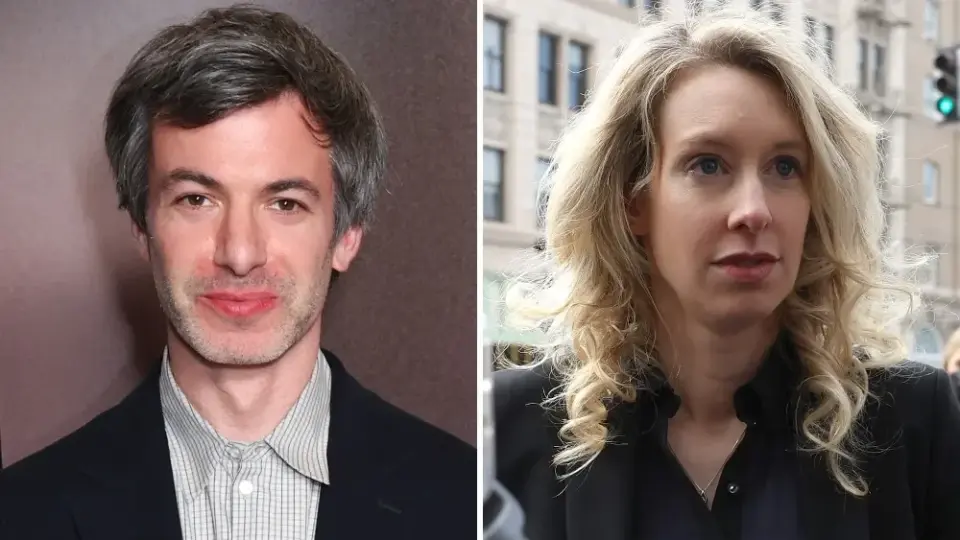
Elizabeth Holmes called director Nathan Fielder from prison shortly before the release of 'You Can See Everything,' telling him repeatedly, 'I trust you.' The documentary, which follows Holmes in her final weeks of freedom, has become a box office phenomenon, grossing $15 million in its opening weekend despite a limited release. Critics have awarded it near-perfect scores, though the film has sparked debate among Theranos whistleblowers who argue it misrepresents the fraud.
Key points
- Holmes called Fielder from federal prison, her first contact in six months, to ask about the film and express trust.
- The documentary grossed $15 million in its debut, the highest opening for a documentary in over 20 years.
- Billy Evans stated the film was intended to let the public judge Holmes for themselves, but critics argue it amplifies backlash.
- Whistleblower Tyler Shultz claims the film misrepresents Theranos technology and fails to capture Holmes' true nature.
- The film holds a 99% score on Rotten Tomatoes and a record-high 4.8 on Letterboxd.
Background
The documentary 'You Can See Everything,' directed by Nathan Fielder and Lance Oppenheim, chronicles Elizabeth Holmes and her partner Billy Evans in the 34 days before Holmes began her 11-year prison sentence for fraud. The project began after Holmes and Evans failed to pitch a documentary to A24, prompting Fielder to contact the studio. The film premiered at the Telluride Film Festival before its wide release on October 16, 2026.
How outlets are covering it
Variety highlights the personal dynamic between Holmes and Fielder, noting Holmes' repeated expression of trust and Fielder's confusion over why she agreed to the project given his previous work. CNN and The New York Times emphasize the film's unprecedented commercial success, noting it sold out theaters in major cities and outperformed other documentaries like 'Melania.' The Guardian focuses on the critical acclaim, citing a 99/100 Metacritic score. In contrast, whistleblower Tyler Shultz, as reported in our archive, argues the film misrepresents the Theranos technology and fails to capture Holmes' true nature, suggesting the film's success is controversial among those familiar with the scandal.
Why it matters
The film's success challenges traditional documentary norms, achieving the highest opening for a documentary in decades and near-perfect critical scores. It also highlights the ongoing debate over how to portray controversial figures like Elizabeth Holmes, with some arguing the film humanizes her while others claim it obscures the reality of the Theranos fraud.
What to watch
The documentary is set to expand to a nationwide release, potentially benefiting from the buzz of its opening weekend. Some critics have predicted it may receive a Best Picture nomination. The ongoing debate between critics and whistleblowers will likely continue as the film reaches a wider audience.
- Nathan Fielder Reveals Elizabeth Holme Phone Call Over 'You Can See Everything' Variety
- ‘You Can See Everything’ becomes one of the biggest documentary releases in decades CNN
- The reviews are in! Is You Can See Everything the greatest film ever? The Guardian
- Elizabeth Holmes Documentary ‘You Can See Everything’ Opens to Over 2,000 Sold-Out Shows The New York Times
- Theranos whistleblower Tyler Shultz says Elizabeth Holmes looks like "a broken woman" in documentary CBS News
Want the full story? Read the original reporting
Read on Variety