
‘Jimmy’ Biopic Divides Critics Over Faith-Driven Portrayal of James Stewart’s War Trauma
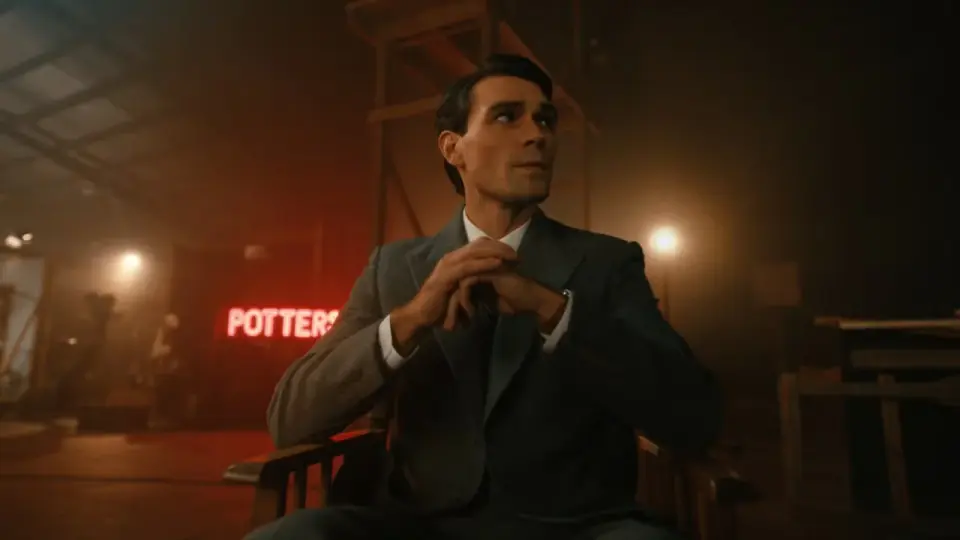
TheWrap’s William Bibbiani calls the new James Stewart biopic ‘Jimmy’ a ‘fawning melodrama’ that fails to capture the actor’s soul, despite praising KJ Apa’s mimicry of Stewart’s mannerisms. The film, directed by Aaron Burns, focuses heavily on Stewart’s World War II service and his subsequent mental health struggles, which critics argue are dramatized with heavy-handed, tearjerking sequences. While some outlets note the film’s compelling interweaving of wartime and Hollywood timelines, others criticize its hagiographic tone, particularly its depiction of Stewart’s faith. The movie, which opened in US theaters on November 6, 2026, features cameos from Stewart’s daughter and ‘It’s a Wonderful Life’ cast members, but remains polarizing for its inability to separate the man from his public image.
Key points
- KJ Apa stars as James Stewart in ‘Jimmy,’ directed by Aaron Burns and written by Justin Strawhand, opening in US theaters on November 6, 2026.
- The film centers on Stewart’s World War II service in the U.S. Army Air Corps and his post-war psychological trauma, leading into the production of ‘It’s a Wonderful Life.’
- Critics are divided: some praise the performance and historical accuracy, while others condemn the film as a ‘hagiography’ that deifies Stewart rather than exploring his human complexity.
- TheWrap critic William Bibbiani argues the film fails to capture Stewart’s ‘soul,’ noting that Apa’s performance mimics Stewart’s on-screen persona but lacks unique insight into the actor’s real life.
- The film features a composite character, Lady Julia (Kara Killmer), representing Stewart’s wartime romantic interests, and includes cameos from Stewart’s daughter, Kelly Stewart-Harcourt, and ‘It’s a Wonderful Life’ actress Karolyn Grimes.
- Roger Ebert highlights the film’s Christian themes, noting Stewart’s devout faith and the inclusion of a Psalms book given by his father, which some critics view as overselling the narrative.
Background
Previous coverage noted that ‘Jimmy’ opened to mixed reviews, with critics praising Apa’s physical resemblance to Stewart but criticizing the film’s pacing and patriotic tone. Earlier reports emphasized the film’s focus on Stewart’s undisclosed wartime service, which included 20 combat missions, and its impact on his later career. The current debate centers on whether the film is a faithful tribute or a hollow hagiography, with some outlets noting the involvement of Stewart’s daughter as a producer and the inclusion of real-life cast members from ‘It’s a Wonderful Life.’
How outlets are covering it
TheWrap’s William Bibbiani criticizes ‘Jimmy’ as a ‘fawning and fake’ biopic that fails to capture James Stewart’s humanity, arguing that KJ Apa’s performance mimics Stewart’s on-screen persona but lacks depth. He notes that the film’s heavy-handed melodrama and tearjerking sequences detract from the actor’s real-life complexity. In contrast, USA Today highlights the film’s historical accuracy and the involvement of Stewart’s daughter, Kelly Stewart-Harcourt, who notes that Stewart was initially critical of his ‘It’s a Wonderful Life’ performance but later came to appreciate its impact. Roger Ebert acknowledges the film’s compelling interweaving of wartime and Hollywood timelines but criticizes its hagiographic tone, particularly its depiction of Stewart’s faith and the ‘overselling’ of his spiritual journey. While TheWrap sees the film as a failure to separate the man from his image, USA Today and Roger Ebert note its historical value and the emotional resonance of its wartime sequences, though they agree that the film’s heavy-handed approach may alienate some viewers.
Why it matters
The debate over ‘Jimmy’ reflects broader tensions in biographical filmmaking, particularly regarding how to balance historical accuracy with dramatic interpretation. The film’s polarizing reception highlights the challenges of portraying complex historical figures, especially those with significant cultural impact like James Stewart. Critics’ disagreements over the film’s tone and approach underscore the importance of nuanced storytelling in biopics, which must balance reverence for their subjects with honest exploration of their humanity. The film’s focus on Stewart’s wartime service and mental health also sheds light on the often-overlooked psychological toll of war on public figures, offering a new perspective on the Golden Age of Hollywood. Additionally, the involvement of Stewart’s daughter and real-life cast members adds a layer of authenticity that may influence audience reception, though it also raises questions about the film’s objectivity and its ability to separate fact from hagiography.
What to watch
‘Jimmy’ will continue to screen in US theaters, with audience reception and box office performance likely to influence its long-term legacy. Critics’ reviews and audience feedback may shape future biographical projects, particularly those focusing on historical figures with complex personal lives. The film’s polarizing reception may also spark broader discussions about the role of faith and patriotism in biographical filmmaking, as well as the importance of balancing historical accuracy with dramatic interpretation. Additionally, the involvement of Stewart’s daughter and real-life cast members may influence future biopics, with producers and directors seeking to include family members and original cast members to add authenticity and emotional resonance to their projects.
- ‘Jimmy’ Review: A Blunder-ful Biopic About James Stewart’s Wonderful Life TheWrap
- Review: ‘Jimmy’ captures James Stewart’s voice, but not his stature San Francisco Chronicle
- James Stewart was 'so critical' of 'It's a Wonderful Life'. Then this changed his mind USA Today
- See Jimmy stars KJ Apa, Jason Alexander, and more alongside the real-life Hollywood legends they portray Entertainment Weekly
- Jimmy movie review & film summary Roger Ebert
Want the full story? Read the original reporting
Read on TheWrap