
Insomniac’s Wolverine Prioritizes Gore and Body Hair Over Open-World Freedom
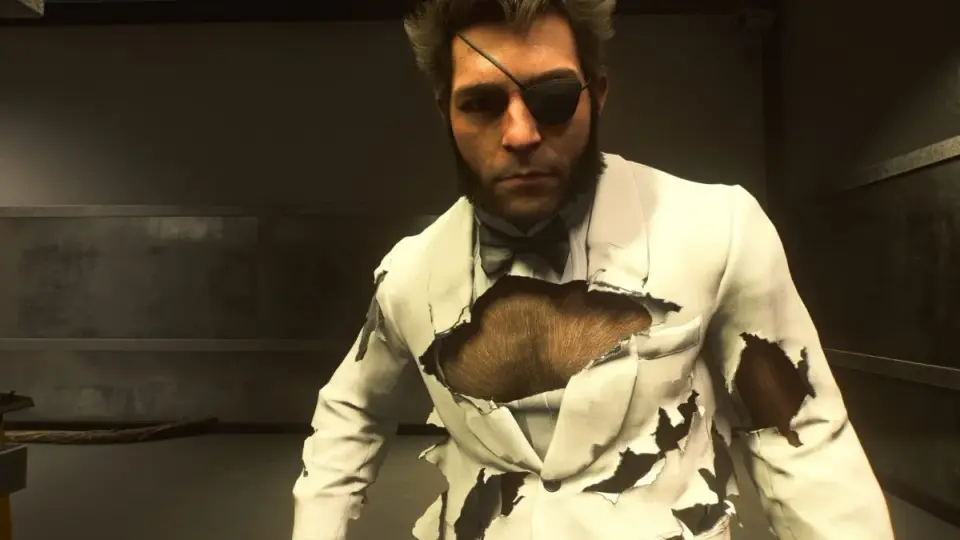
Marvel’s Wolverine launches on PS5 September 15, featuring a linear, combat-focused design that emphasizes visceral gore, dynamic suit damage, and detailed body hair. While critics praise the brutal efficiency of Logan’s claws and the performance of Liam McIntyre, reviews are mixed due to repetitive mechanics, a convoluted second-half narrative, and the absence of open-world exploration. The game scores a 77 on Metacritic, marking it as Sony’s lowest-rated PS5-era title, though it remains a technically impressive entry in Insomniac’s Marvel lineup.
Key points
- The game features a dynamic suit damage system where Logan’s clothing tears during combat but regenerates over time to maintain a 'power fantasy' aesthetic, preventing players from fighting in rags.
- Insomniac implemented detailed body hair on Logan’s exposed skin, a technical achievement noted by reviewers as rare for this console generation, enhancing the character's rugged appearance.
- Combat is described as 'relentless' and 'brutal,' utilizing a momentum-based loop that powers healing and rage, contrasting with the open-world structure of previous Spider-Man titles.
- Narrative director Walt Williams and voice actor Liam McIntyre emphasized Logan’s duality, blending animalistic rage with deep empathy, influenced by Clint Eastwood’s cowboy persona and hardboiled noir tropes.
- The game received a Metacritic score of 77, making it the lowest-scoring PS5-era title for Sony, with critics citing repetitive gameplay and a confusing second-half story as primary weaknesses.
Background
Insomniac Games previously developed Spider-Man titles for PlayStation, which featured open-world exploration. Marvel’s Wolverine shifts to a linear, grounded narrative set in Earth-1048, focusing on Team X and the absence of Professor X and Magneto. Earlier coverage highlighted concerns about the game reusing systems from Spider-Man and Arkham titles, while recent interviews confirmed the decision to prioritize visceral combat and character trauma over expansive exploration.
How outlets are covering it
Kotaku praised the technical detail of Logan’s body hair and the dynamic suit damage system, noting that the gore and healing factor create a satisfying power fantasy, though it criticized the game for being repetitive. Game Informer awarded an 8.5, lauding the 'brutal efficiency' of the combat and the voice cast but criticizing the linear structure and confusing narrative twists in the second half. PlayStation.Blog highlighted the creative team’s focus on capturing Logan’s essence through animation and character relationships, emphasizing the 'found family' dynamic with Sabretooth and Mystique. Gizmodo focused on the collaborative production process, with McIntyre and Williams discussing the influence of noir tropes and the physicality of performance capture. While all sources agree on the combat quality, they diverge on the narrative’s coherence and the game’s overall value, with Kotaku calling it 'Fine' and Game Informer praising its 'vitals' despite flaws.
Why it matters
Marvel’s Wolverine represents a significant shift for Insomniac Games, moving away from open-world Spider-Man titles to a linear, mature-rated action game. Its mixed reception highlights the challenges of adapting a character known for visceral combat into a modern console format, balancing technical innovation with narrative clarity. The game’s low Metacritic score also raises questions about Sony’s strategy for first-party exclusives in the PS5 era, particularly regarding audience reach and critical consensus.
What to watch
Players can purchase Marvel’s Wolverine on PS5 starting September 15. Insomniac may address narrative and gameplay criticisms in future updates or sequels, while Sony could leverage the game’s combat mechanics in other Marvel titles. The Metacritic score may influence marketing strategies for upcoming Insomniac projects, potentially emphasizing technical innovation over narrative complexity.
- Marvel's Wolverine Has A Lot Of Hair Detail On Its Hero Kotaku
- Marvel’s Wolverine developers discuss capturing the essence of Logan – out September 15 PlayStation.Blog
- Marvel's Wolverine Review: Relentless Momentum Game Informer
- 'Marvel's Wolverine' Star & Writer Talk Making the New Wolverine gizmodo.com
- Insomniac Explains Wolverine’s Already-Infamous ‘Fart Gas Trails’ Forbes
Want the full story? Read the original reporting
Read on Kotaku