
Amanda Peet’s Early Breast Cancer Warning Was a Skin Change, Not a Lump
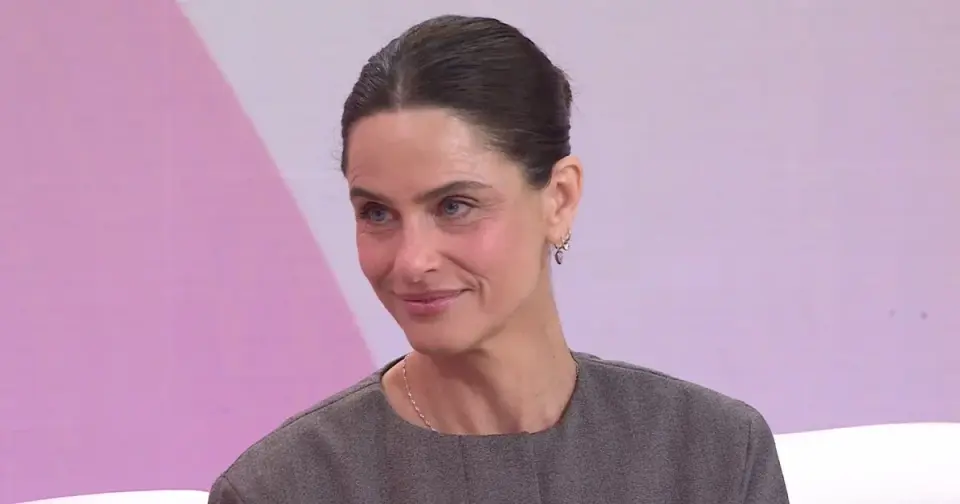
Actor Amanda Peet revealed that her first sign of breast cancer was a change in skin texture, not a lump. She was diagnosed with Stage 1 lobular breast cancer in late 2025 after a six-month delay following an initial MRI. Peet underwent a lumpectomy and radiation, highlighting the importance of monitoring skin changes and dense breast tissue.
Key points
- Amanda Peet identified a 'weird' skin texture in her breast as her first symptom, distinct from the common 'frozen pea' lump.
- An initial MRI in early 2025 resulted in a clean bill of health, but doctors continued to monitor the area.
- In late 2025, an ultrasound revealed concerning changes, leading to a biopsy and a diagnosis of Stage 1 lobular breast cancer.
- Peet’s cancer was hormone-receptor-positive and HER2-negative; she treated it with a lumpectomy and radiation.
- Lobular breast cancer accounts for 15% of new diagnoses and is often harder to detect in women with dense breasts.
Background
Recent medical discussions emphasize that many cancer symptoms are mistaken for aging or stress, leading to delayed diagnoses. Additionally, research has linked lifestyle factors, such as irregular sleep and alcohol consumption, to increased cancer risks, including breast cancer. Peet’s case underscores the complexity of detecting certain cancer types, particularly lobular cancer, which does not always form distinct lumps.
Why it matters
This story highlights that breast cancer symptoms can vary significantly, with skin changes like dents, swelling, or redness serving as critical warning signs. It underscores the importance of regular monitoring, especially for individuals with dense breast tissue, and demonstrates how early detection can lead to successful treatment outcomes.
What to watch
Peet has shared her experience to raise awareness about non-lump symptoms and the challenges of detecting lobular breast cancer. She continues to advocate for regular screenings and monitoring, particularly for those with dense breasts or a family history of the disease.
Want the full story? Read the original reporting
Read on TODAY.com