
Israel's military and culture minister launch legal and citizenship revocation campaign against 'NAZA' documentary
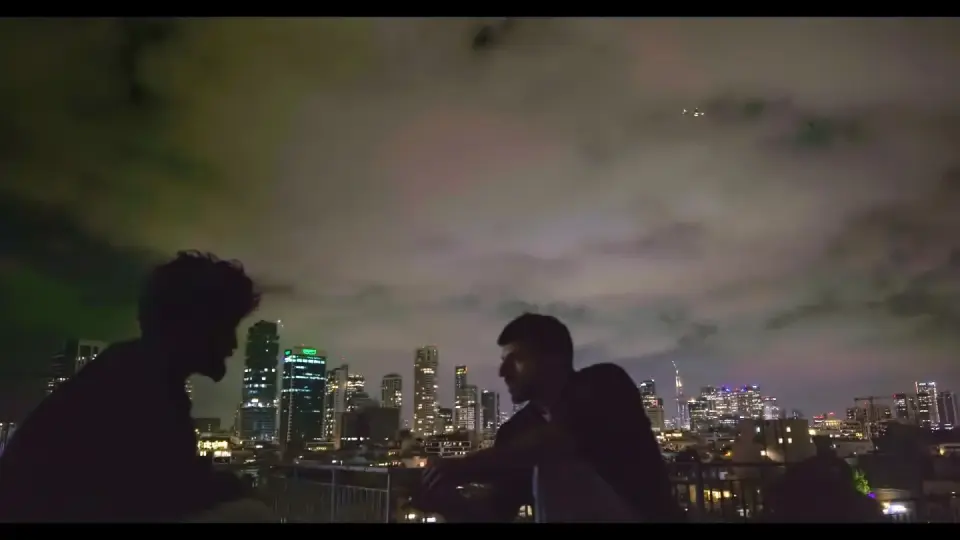
Israeli officials have initiated legal and administrative measures against the documentary 'NAZA' after it won a major prize at the Venice Film Festival. The film features anonymous testimony from 24 Israeli military and intelligence personnel alleging that the IDF uses AI-driven targeting systems to deliberately kill civilians in Gaza. While the military chief ordered a legal review and investigation into classified leaks, the culture minister called for the revocation of the directors' citizenship. The filmmakers and their producer, The Guardian, have defended the film as rigorous investigative journalism, while Israeli officials dismissed the claims as 'blood libels' and 'betrayal of the state.'
Key points
- IDF Chief of Staff Eyal Zamir ordered a legal review of 'NAZA' and an investigation into the leaking of classified materials used in its production.
- Israeli Culture Minister Miki Zohar called for the revocation of the citizenship of directors Yuval Abraham and Rachel Szor, citing 'betrayal of the state' and 'cooperation with the enemy.'
- The documentary, produced by The Guardian, features testimony from 24 anonymous Israeli military and intelligence personnel alleging the IDF uses AI to calculate and accept civilian deaths in Gaza.
- The film won the Special Jury Prize at the Venice Film Festival, receiving a record 25-minute standing ovation, but has faced intense backlash in Israel.
- The IDF has denied the film's claims, stating the identities of the whistleblowers cannot be verified and that the military does not deliberately target civilians.
Background
The documentary 'NAZA' was produced by The Guardian and directed by Oscar-winning filmmakers Yuval Abraham and Rachel Szor, known for their previous work 'No Other Land.' The film was filmed clandestinely over three years, using VFX to alter the voices and faces of its 24 anonymous sources. It premiered at the Venice Film Festival in September 2026, where it won the Special Jury Prize and received a record-breaking standing ovation. The title 'NAZA' is an acronym used by the Israeli military for 'collateral damage.'
How outlets are covering it
The Hollywood Reporter and CBS News report that the IDF and Israeli government are taking aggressive legal and administrative action against the filmmakers, with the culture minister calling for citizenship revocation. The New York Times highlights the stark contrast between the film's international acclaim and the domestic backlash, noting the military's characterization of the film as 'blood libels.' The Jerusalem Post, in an opinion piece, argues that Israel should open its October 7 archive to international journalists to counter such narratives, suggesting that the current closed-door approach fuels distrust. The Guardian, the film's producer, defended the work as 'based on more than three years of investigative journalism' and vowed to 'robustly defend' the team from censorship. The IDF maintains that the testimony cannot be verified and that the military does not deliberately target civilians.
Why it matters
The dispute over 'NAZA' highlights the escalating tension between Israel's military and government and international media regarding the conduct of the war in Gaza. The potential legal action and citizenship revocation attempts raise serious concerns about press freedom and the right to report on military operations. The film's international success and the domestic backlash underscore the deep divisions over the narrative of the conflict and the role of journalism in holding power accountable.
What to watch
The IDF's legal review and investigation into classified leaks are expected to determine whether legal action will be taken against the filmmakers or those involved in the film's production. The culture minister's call for citizenship revocation will require action from the interior and justice ministers, and it is unclear if this will proceed. The filmmakers and The Guardian have indicated they will defend the film and its team, potentially leading to a legal battle over censorship and press freedom. The film's wide release in Israel, the U.S., and Germany is expected to continue, potentially sparking further debate and controversy.
- Israeli Army Chief Orders Legal Review of ‘NAZA’ Documentary The Hollywood Reporter
- ‘NAZA,’ Israeli Film About Killings in Gaza, Faces Backlash The New York Times
- Israel must open its October 7 archive to the journalists the world trusts The Jerusalem Post
- Israeli official calls for directors of "NAZA" documentary alleging use of AI in Gaza to have nationality revoked CBS News
- ‘They know the house they are bombing is full of children’: NAZA’s directors on their devastating film about Israeli intelligence The Guardian
Want the full story? Read the original reporting
Read on The Hollywood Reporter