
Isbell Leads Class Action Against Suno Over AI Identity Theft
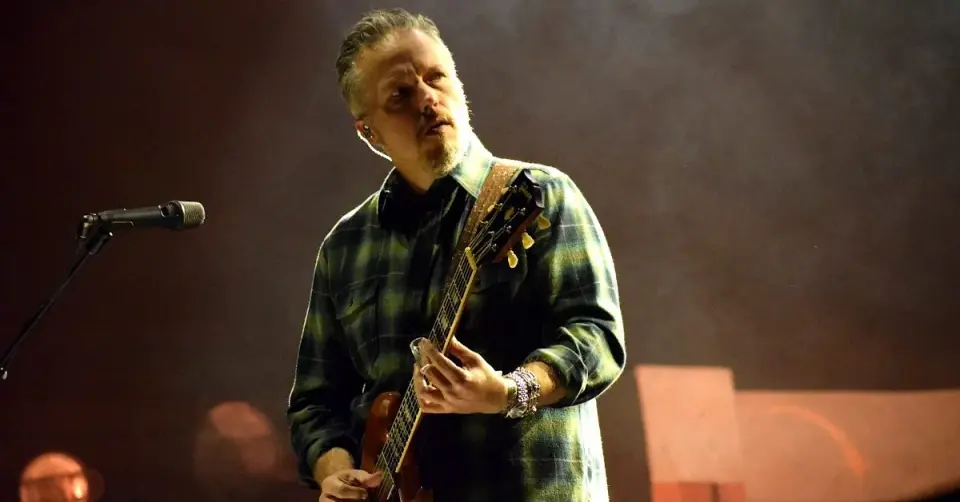
Jason Isbell and other musicians have filed a class-action lawsuit against Suno AI, alleging the platform misappropriates their identities for commercial gain. The suit, filed in Massachusetts, argues that Suno encodes artist names into its model, allowing users to bypass filters to generate music mimicking specific performers. This legal action joins a wave of global lawsuits against AI music generators, including recent claims by SOCAN in Canada and major labels in the US.
Key points
- Jason Isbell, David Lowery, Guy Forsyth, and Eduardo Calle filed a class-action lawsuit against Suno AI on August 31, 2026, in the U.S. District Court in Massachusetts.
- The lawsuit argues that Suno encodes musicians' identities into its AI model, allowing users to generate music that mimics specific artists, which the plaintiffs describe as identity theft.
- Plaintiffs claim that while Suno has guardrails against direct name prompts, users can bypass these by using phrases like 'tone and phrasing like [Artist Name].'
- The legal briefs cite the Star Trek villain The Borg, with attorney Alan D. Rose stating that musicians are resisting the premise that 'resistance is futile.'
- This case is part of a broader trend, with SOCAN suing Suno in Canada for infringing on 150 songs, and Universal and Sony Music pursuing similar claims in the U.S.
Background
This development follows earlier reports that Isbell and others were preparing legal action against Suno for encoding musician identities. The lawsuit is part of a growing wave of legal challenges against AI music platforms, including a recent suit by SOCAN in Canada and ongoing litigation from major labels like Universal and Sony. Warner Music Group has settled with Suno and is now developing a model in partnership with the company, while other labels continue to pursue legal action.
How outlets are covering it
Saving Country Music emphasizes the unique angle of the lawsuit, focusing on the misappropriation of artist identities rather than just copyright infringement of specific songs. Billboard highlights the broader context of the lawsuit, noting that SOCAN has also filed a claim against Suno in Canada for infringing on 150 songs, including hits by Avril Lavigne and Tom Cochrane. The Yahoo source, while largely obscured by technical code, confirms the filing of the lawsuit by Isbell against Suno. K-Jewel 99.3 FM provided no relevant content, as the page was not found.
Why it matters
This lawsuit could set a precedent for how AI music platforms handle the identities and likenesses of musicians, potentially impacting the commercial use of AI in the music industry. It also highlights the ongoing tension between AI developers and traditional music rights holders, with potential implications for future legislation and industry standards.
What to watch
The case will proceed through the U.S. District Court in Massachusetts, with potential implications for how AI music platforms operate and how they handle artist identities. The outcome could influence other ongoing lawsuits against Suno and similar AI music generators, potentially leading to new regulations or industry standards for AI in the music industry.
- Jason Isbell Leads New Class Action Lawsuit Against Suno AI - Saving Country Music
- Udio continues to argue that its AI training was ‘quintessential fair use’ – and says, even if it infringed Sony Music’s recordings, damages should be ‘as low as $200 per work’ Music Business Worldwide
- Jason Isbell Takes On AI Music Generator Suno in New Federal Lawsuit Yahoo
- SOCAN Sues Suno for Copyright Infringement Over AI Generated Music Outputs Billboard
- Licenses Versus Lawsuits: Why Suno’s Parallel Legal Strategies May Pose a ‘Conundrum’ K-Jewel 99.3 FM
Want the full story? Read the original reporting
Read on - Saving Country Music