
legal-and-technology4 min read
Maryland Teens Sue Over AI Gun-Detection System That Mistook Chips for a Firearm
27 minutes ago•Source: The Guardian
View original source
The latest legal and technology stories, each synthesized from multiple sources with added background and context.
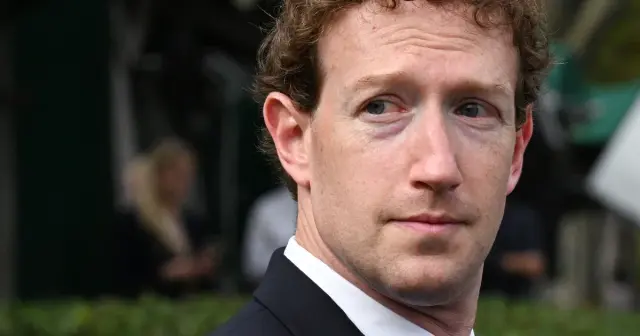
A New Mexico jury has ordered Meta Platforms to pay a record $25 billion in civil penalties for deceiving consumers about data privacy and content moderation. The verdict, based on 43 million violations of state law, stems from the Cambridge Analytica scandal and represents the largest single-state judgment against a tech company in U.S. history. Meta plans to appeal, arguing the ruling is unconstitutional, while New Mexico officials frame it as a necessary deterrent against corporate misconduct.
Anime News Network•1 month ago

British Columbia has filed a lawsuit in California federal court against OpenAI and CEO Sam Altman, alleging the company failed to report a shooter’s violent ChatGPT activity. The province seeks damages to fund recovery efforts after the February 2026 mass shooting in Tumbler Ridge, which killed nine people. The suit follows earlier actions by victim families and highlights ongoing legal battles over AI safety and law enforcement reporting.

A federal judge in Wisconsin dismissed charges against a man for possessing AI-generated child sexual abuse material, citing First Amendment protections for obscenity kept in private homes. While the ruling relies on decades-old Supreme Court precedents, it has drawn sharp criticism from law enforcement officials who argue the decision fails to account for modern AI capabilities. The defendant, Steven Anderegg, used generative AI to create thousands of images, some of which were shared with a minor, but the court ruled that non-realistic depictions are protected speech if not distributed.

Jason Isbell and other artists have filed a class-action lawsuit against AI music platform Suno, alleging it violates their rights of publicity by using their names to generate imitative music. This legal action coincides with a broader wave of copyright lawsuits from global rights organizations, including SOCAN in Canada, challenging Suno's use of protected works without consent.

Jason Isbell and other musicians have filed a class-action lawsuit against Suno AI, alleging the platform misappropriates their identities for commercial gain. The suit, filed in Massachusetts, argues that Suno encodes artist names into its model, allowing users to bypass filters to generate music mimicking specific performers. This legal action joins a wave of global lawsuits against AI music generators, including recent claims by SOCAN in Canada and major labels in the US.

A Taiwanese man successfully sued his wife and her lover for an affair using footage from a robot vacuum, winning approximately $16,000 in damages. However, he was subsequently sentenced to five months in prison and fined roughly $4,700 for secretly recording his wife without consent. The court ruled that while the affair violated spousal rights, the covert surveillance violated privacy laws, resulting in a net financial loss and incarceration for the husband.

A federal appeals court has ruled that the private possession of AI-generated child sexual abuse material (CSAM) is protected by the First Amendment, provided no real children were involved in its creation. The Seventh Circuit affirmed the dismissal of a possession charge against a Wisconsin man, citing a 2002 Supreme Court precedent that distinguishes between fictional and real victims. While the ruling leaves charges for production and distribution intact, judges warned that modern AI technology has outpaced existing legal frameworks, creating a gap between law and reality.
A U.S. appeals court has rejected attempts by Meta, Google, TikTok, and Snap to block thousands of lawsuits alleging their platforms are designed to addict young users. The 9th Circuit ruled that Section 230 of the Communications Decency Act provides a defense against liability but does not grant immunity from being sued, meaning the cases can proceed. This decision allows over 3,000 consolidated federal lawsuits to move forward, following earlier state court verdicts that held Meta liable for misleading consumers about platform safety.
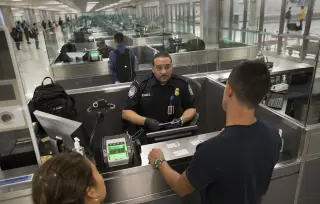
US prosecutors have charged Atlanta resident Sam Tunick with destroying property to prevent seizure, alleging he used a 'duress password' on his GrapheneOS phone to wipe its data during an airport interrogation. The case, stemming from a January 2025 stop at Hartsfield-Jackson, highlights tensions between digital privacy tools and federal border search powers. Tunick’s defense argues the detention was unlawful and a pretext for investigating his ties to the Cop City protest movement, while the government maintains the inspection was routine. Experts note this may be the first time a federal statute targeting property destruction has been applied to a privacy-focused operating system, raising concerns about the criminalization of security features.