
Michael Smith Sentenced to 18 Months for AI Streaming Fraud
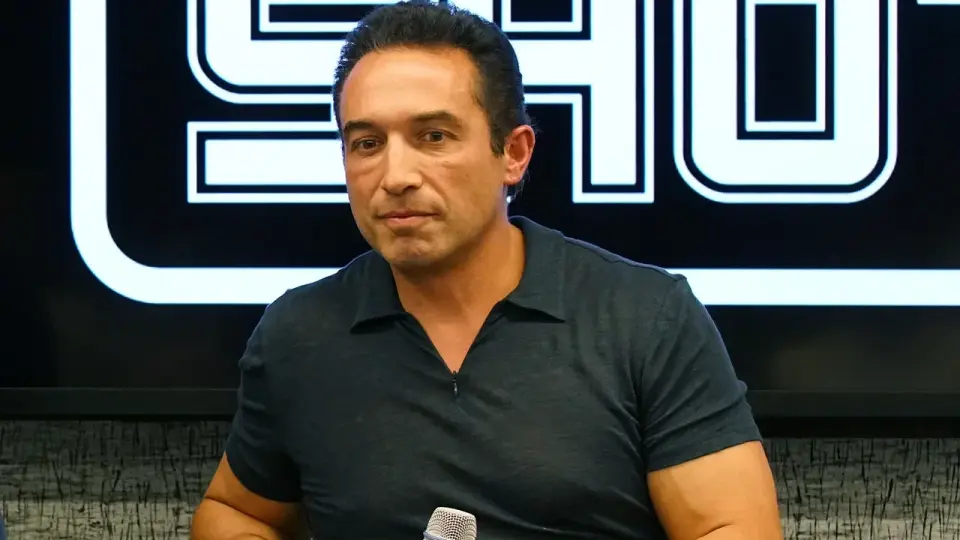
Michael Smith, a 54-year-old North Carolina musician, was sentenced to 18 months in federal prison on October 6, 2026, for the first-ever criminal conviction involving AI-assisted streaming fraud. Smith pleaded guilty in March to wire fraud conspiracy after admitting he used bots to generate billions of fake streams for AI-generated songs between 2017 and 2024, collecting over $8 million in royalties. Judge John G. Koeltl in Manhattan rejected the defense’s request for probation and the prosecution’s demand for 46 months, ordering Smith to serve a year and a half in jail followed by two years of supervised release. He must also forfeit $8,091,843.64. The case highlights the growing threat of automated bots inflating play counts on platforms like Spotify and Apple Music, diverting funds from legitimate artists.
Key points
- Michael Smith was sentenced to 18 months in prison and two years of supervised release for AI-assisted streaming fraud.
- Smith used thousands of bots to stream AI-generated songs billions of times between 2017 and 2024, generating over $8 million in fraudulent royalties.
- The case is the first criminal conviction for streaming fraud in the United States, marking a significant legal precedent.
- Smith must forfeit $8,091,843.64 in proceeds from the fraud.
- The DOJ described Smith’s actions as exploiting 'super intelligence' technology, reflecting a recent rebranding effort by the Trump administration.
Background
Streaming fraud has been a persistent issue in the music industry for years, but the rise of artificial intelligence has intensified the problem by enabling the creation of fake songs and powering bot networks. Previous cases involved inflating plays for real artists, but Smith’s case is notable for its use of AI-generated content. The Recording Industry Association of America and the Music Fights Fraud Alliance have emphasized the need for continued enforcement to protect creators and maintain trust in the industry.
How outlets are covering it
Billboard and Ars Technica focus on the legal and financial aspects of the case, highlighting the $8 million in fraudulent royalties and the 18-month sentence. Rolling Stone emphasizes the political context, noting the DOJ’s use of the term 'super intelligence' in its press release, which aligns with President Trump’s recent executive order to rebrand AI. The defense argued that the harm to individual artists was insignificant, while prosecutors and industry groups stressed the broader impact on the music industry and the need for deterrence.
Why it matters
This case sets a precedent for prosecuting AI-assisted streaming fraud, which has become a significant threat to the music industry. The sentence and forfeiture order signal a stronger stance against such fraud, potentially deterring similar schemes. However, industry groups argue that structural reforms and continued enforcement are necessary to fully address the issue.
What to watch
The music industry and law enforcement are expected to continue monitoring and prosecuting streaming fraud cases. The DOJ’s emphasis on 'super intelligence' may influence future legal and regulatory frameworks. Industry stakeholders, including the Music Fights Fraud Alliance, are likely to push for more comprehensive measures to protect artists and maintain the integrity of streaming platforms.
- Man Sentenced to Prison for Bot Streams of AI Songs Pitchfork
- AI Music Streaming Fraudster Sentenced to 1.5 Years in Prison for $8M Royalties Scam Billboard
- Fraudster jailed for using 10K bots and AI songs to outstream Taylor Swift Ars Technica
- A.I. Music Fraudster Who Drew Millions in Royalties Is Sentenced to 18 Months The New York Times
- The First Music Streaming Fraud Case Gets Caught Up in Trump’s Dumb AI Rebrand Rolling Stone
Want the full story? Read the original reporting
Read on Pitchfork