
Brand Denies All Charges, Cites Zero Witnesses in Defense
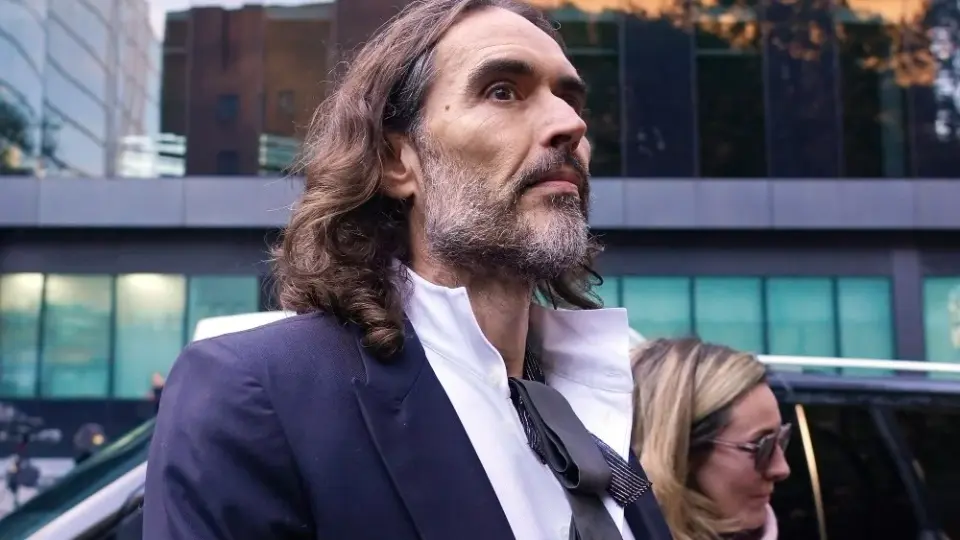
Russell Brand took the stand in his London rape trial on Wednesday, denying all seven charges of rape and sexual assault spanning 1999 to 2009. He admitted that no one agreed to testify on his behalf, calling the 2023 documentary 'devastating.' The judge had previously reduced one charge to attempted indecent assault due to insufficient evidence. Brand claimed the allegations prevented him from visiting his son during open-heart surgery at Great Ormond Street Hospital. Prosecutors had described him as a 'ruthless' predator, while Brand insisted consent is 'more important than sex.'
Key points
- Brand denied all seven charges, including three counts of rape and three of sexual assault, during his testimony at Southwark Crown Court.
- He revealed that no friends or colleagues agreed to testify for his defense, citing the impact of a 2023 documentary.
- Judge Mr Justice Bennathan reduced one 2001 indecent assault charge to attempted indecent assault due to insufficient evidence.
- Brand claimed he was barred from visiting his son during open-heart surgery at Great Ormond Street Hospital due to public scrutiny.
- Prosecutors described Brand as a 'ruthless' and 'calculated' sexual predator in their opening statements.
Background
The trial has been ongoing for three weeks at Southwark Crown Court. Previous testimony included accounts from a former assistant describing Brand as emotionally exhausting, and a complainant detailing non-consensual anal sex in 2009. Witnesses described severe pain and fear of HIV following alleged incidents. Brand has maintained his innocence in YouTube videos and court, while prosecutors argue he engaged in predatory behavior between 1999 and 2009.
How outlets are covering it
Variety and BBC highlight Brand's admission that no one would testify for him, framing it as a significant defense hurdle. AP News emphasizes his public statement calling the day one for 'truth and justice,' while The New York Times focuses on his assertion that consent is 'more important than sex.' All sources agree on the core facts of his denial and the judge's reduction of one charge, but vary in emphasis: Variety details specific allegations like the 1999 Labour Party conference incident, while BBC notes his emotional state and the documentary's impact on his relationships. AP provides broader context on his career shift to Florida and online following, whereas The New York Times notes his age and the specific timeframe of the alleged offenses.
Why it matters
The trial highlights the legal and personal consequences of high-profile sexual misconduct allegations in the UK, particularly regarding the impact of media exposure on witness availability and personal relationships. The judge's reduction of a charge based on insufficient evidence underscores the evidentiary standards in such cases, while Brand's claim of being barred from hospital visits raises questions about the intersection of public scrutiny and private family rights.
What to watch
The trial will continue on Thursday, with the defense expected to present further evidence or cross-examine prosecution witnesses. The jury will ultimately decide on the seven remaining charges, including three counts of rape and three of sexual assault, after hearing all testimony and arguments.
- Russell Brand Takes the Stand in Rape Trial and Reveals No One Agreed to Testify on His Behalf: ‘My Entire Life Has Been Consumed by These Allegations’ Variety
- Russell Brand tells court allegations had devastating impact on him BBC
- Russell Brand denies all charges as he takes the stand at his rape and sex assault trial AP News
- Russell Brand Tells Court Consent ‘Is More Important Than Sex’ The New York Times
- Russell Brand rape trial live: Comedian says rape allegations 'devastating' and 'no one will touch me with a bargepole' Sky News
Want the full story? Read the original reporting
Read on Variety