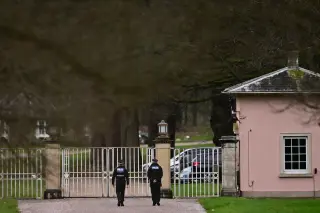
Prince Harry reportedly hoped King Charles could intervene to restore taxpayer-funded police protection, but security decisions are governed by UK law and handled by the independent RAVEC committee, not royal protocol or money; Harry lost protection after stepping back in 2020, and no amount of influence can override the law.
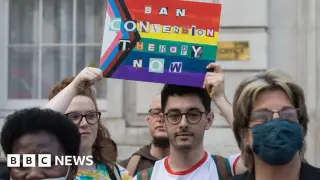
The UK government has unveiled a draft Conversion Practices Bill to criminalise abusive acts aimed at changing someone’s sexual orientation or transgender identity, creating two new offences (carrying out or encouraging such practices) with penalties including unlimited fines and up to five years in prison, plus Conversion Practice Protection Orders to shield at-risk individuals. The bill, applying to England and Wales, allows exemptions for legitimate healthcare and sets a high threshold for criminality. It will undergo pre-legislative scrutiny before moving through Parliament. Supporters say the law protects LGBT+ people from harm, while critics warn it could chill legitimate conversations or prayer.
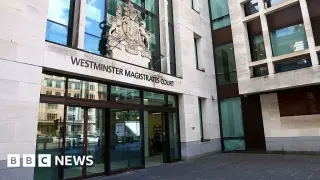
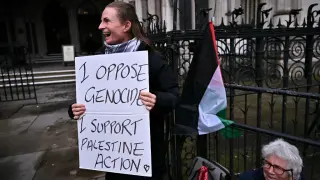
A UK judge for the first time added a terrorism connection to the criminal-damage convictions of four Palestine Action activists who raided an Elbit Systems UK plant, sentencing Leona Kamio and Charlotte Head to six years, Fatema Rajwani to five years eight months, and Samuel Corner to eight years eight months. Jurors had convicted them only of criminal damage, not terrorism. Justice Jeremy Johnson said the acts were intended to intimidate the UK government and public to advance a political cause, allowing a sentencing boost under section 69 of the Sentencing Act. The ruling followed a forensic report estimating about £1.2 million in damage, a report whose timing and reliability were questioned by the defence. Two co-defendants were cleared, and protests gathered outside the court.
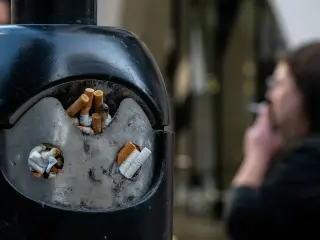
Britain's Tobacco and Vapes Bill clears Parliament to create a smoke-free generation: anyone born after 2008 will never be allowed to buy tobacco, with the legal purchase age rising by one year each year from 2027; vaping restrictions in public spaces and branding controls are introduced, while officials say the measure will save lives and reduce NHS costs—though some groups argue for stronger stop-smoking support.
Britain’s IWGB has filed legal action against Build a Rocket Boy over alleged data privacy violations after BARB installed Teramind monitoring software on staff PCs without informing them; the software reportedly tracked keystrokes, screen activity, and microphone audio and was removed after a grievance by 40+ workers, with the union escalating the case to ACAS and the Information Commissioner’s Office, following earlier union-backed litigation over redundancies and new layoffs amid accusations of espionage and mismanagement.
Britain proposes amending the Crime and Policing Bill to force tech platforms to remove non-consensual intimate images within 48 hours, treating them with the same seriousness as CSAM and terrorist content. Noncompliant firms could face fines up to 10% of global sales or UK service blocks. Victims would flag an image once and platforms must prevent re-uploads; ISPs could be guided to block sites hosting illegal content. The move aims to protect women, girls and LGBT people and adds to stricter online safety measures following clashes with platforms and past AI misuse cases.
Three Preston dogs were confirmed as wolf-dogs (about 49% grey wolf and 51% Czechoslovakian wolfdog) and are now at Wolves of Wiltshire; UK ownership hinges on generation distance from a wolf, with first/second generations requiring a license and many breeders controversial. Wolf-dogs are challenging, needing space, experienced handlers, and wolf-like instincts, making them unsuitable as pets, unlike domestic dogs which descended from an extinct wolf lineage.
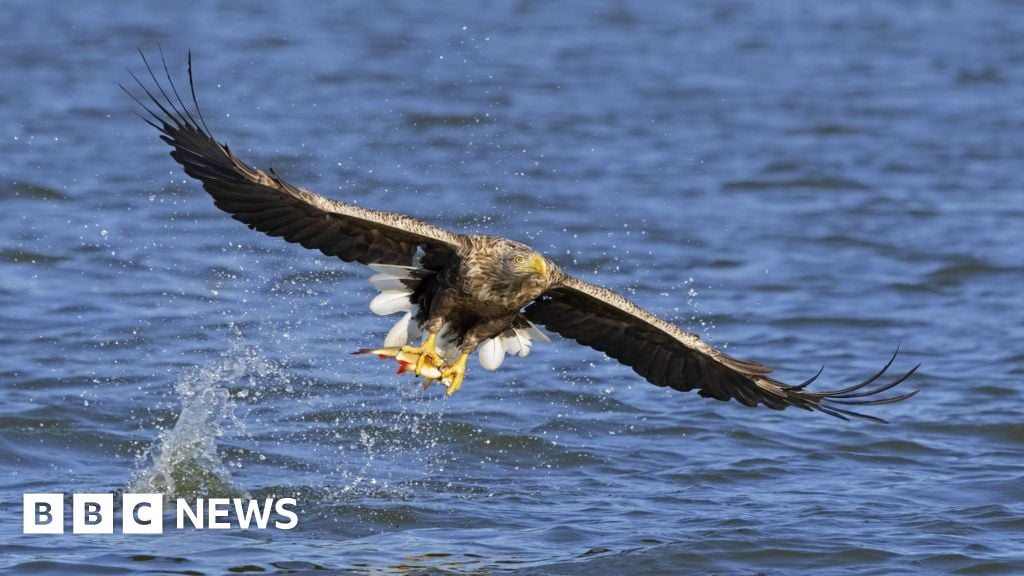
A white-tailed eagle in Newtown, Powys, went missing after its satellite tag was cut off and hidden, prompting police and wildlife authorities to investigate a suspicious disappearance, with efforts to locate the bird ongoing amid concerns over illegal persecution.
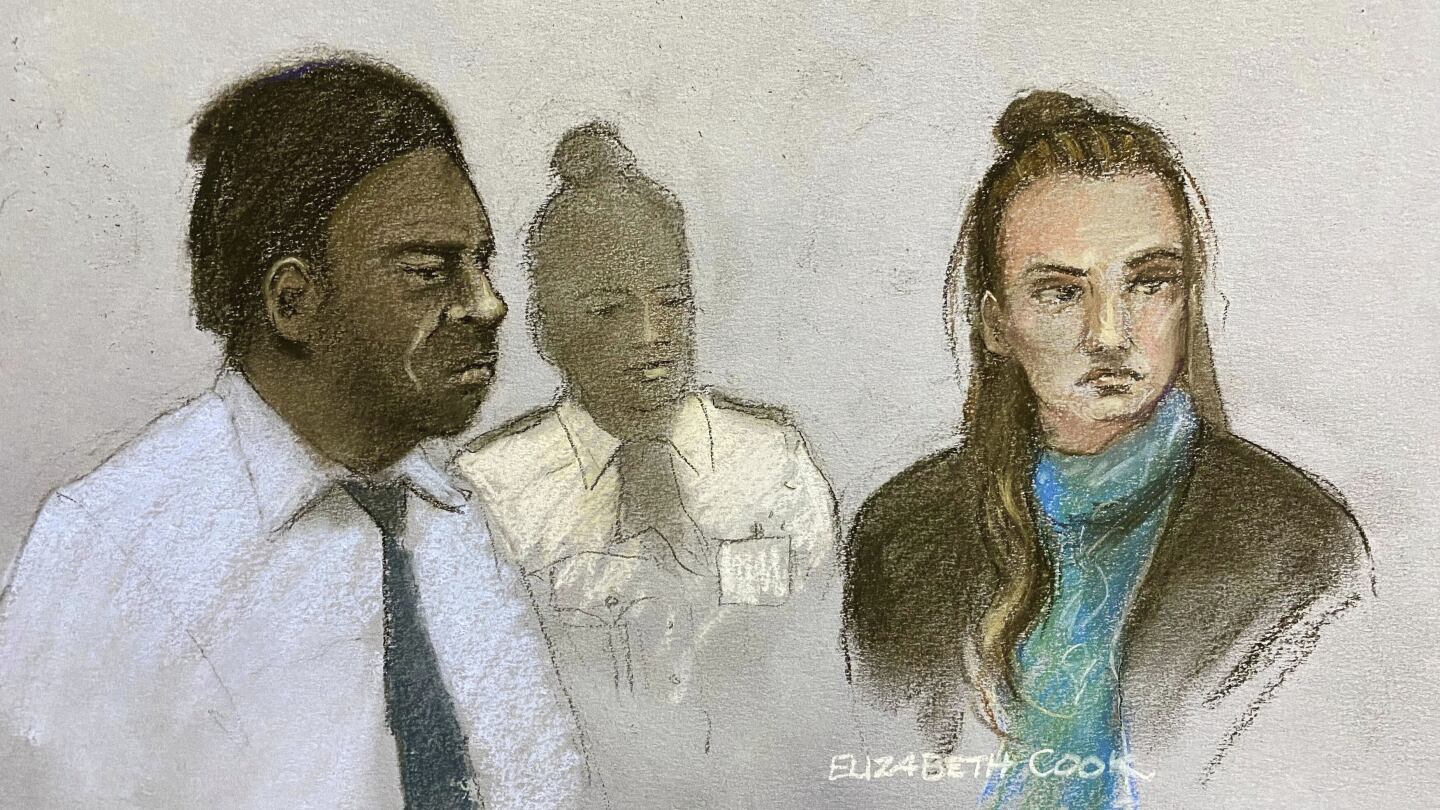
Constance Marten, a British aristocrat, and her boyfriend Mark Gordon were sentenced to 14 years for the gross negligence manslaughter of their newborn daughter, Victoria, who died from hypothermia after being born secretly and abandoned while the couple evaded authorities across England.
London police arrested TV writer Graham Linehan over anti-trans social media posts, prompting debate on free speech and law enforcement's role in online speech regulation, with calls for legal clarification from authorities amid political and public reactions.
Graham Linehan, a UK comedy writer, was arrested at Heathrow over social media posts criticizing transgender rights, sparking a debate on free speech versus hate speech and online safety laws. Supporters see it as suppression of opinion, while others emphasize the importance of preventing online hate crimes. The incident highlights ongoing tensions in UK law regarding free expression and hate speech regulation.
British comedian Graham Linehan was arrested at Heathrow for social media posts criticizing transgender policies, sparking debate over free speech and hate speech laws in the UK. Supporters see it as censorship, while others emphasize the need to combat online hate. The case highlights tensions between free expression and protecting individuals from harm online.
Yvette Cooper defends the UK's ban on Palestine Action, citing its involvement in violent incidents and links to terrorism, while facing criticism over the impact on free speech and protests, with over 700 arrests since the ban.
Hundreds of supporters of the banned pro-Palestinian group Palestine Action were arrested in London during protests against the UK's law banning the organization, which was enacted after activists vandalized military planes to protest British support for Israel's actions in Gaza. The protests aimed to challenge the legality of the ban, with organizers claiming it restricts free expression, while police stated many protesters were onlookers or media. The ban followed a raid on an RAF base by activists protesting UK military support for Israel, and supporters are now contesting the law in court.
Ofcom is investigating four companies operating 34 porn sites to ensure compliance with new UK age verification laws aimed at protecting children from adult content. The regulator has begun formal probes into these companies, which collectively attract over nine million monthly visitors, amid concerns that some sites may be bypassing the rules. The new laws, which require age checks across various platforms, have sparked debate over privacy and effectiveness, with some calling for their repeal and others defending their role in online safety.