
Brand’s Lawyer Tells Jury Comedian’s Post-Encounter Behavior Proves Consent
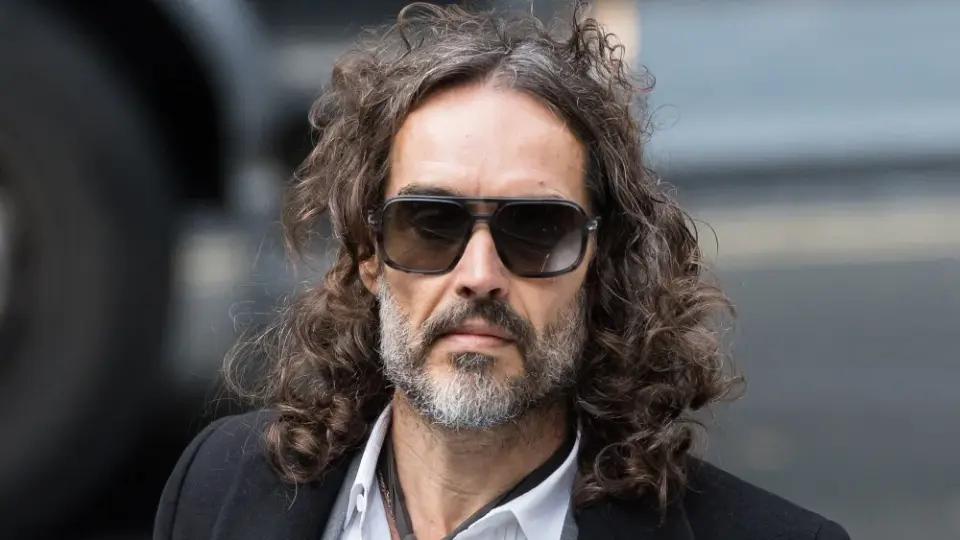
In closing arguments at Russell Brand’s London rape trial, defense lawyer Ian Winter KC argued that the comedian is not a psychopath and that his normal behavior after alleged incidents proves consent. Winter contended that a 2023 Channel 4 documentary contaminated the complainants’ testimony, while the prosecution labeled the defense as lies. The jury is now deliberating on seven charges spanning 1999 to 2009.
Key points
- Defense lawyer Ian Winter KC stated there is no evidence Brand is a psychopath, noting he left contact details and photos with complainants, which he argued is inconsistent with the behavior of a rapist.
- Winter argued that Brand’s normal conduct during and after the alleged incidents indicates he believed the encounters were consensual, urging the jury to apply pure logic rather than moral judgment.
- The defense claimed the 2023 Channel 4 documentary and Sunday Times investigation poisoned the well of justice by prompting women to come forward years after the alleged events, rendering their testimony fundamentally corrupted.
- Winter criticized the prosecution for using Brand’s 2007 memoir, My Booky Wook, as evidence, arguing that jokes written eight years after the alleged 1999 incidents should not be treated as factual proof of criminal intent.
- The defense urged jurors to disregard Brand’s promiscuous lifestyle, stating that while his behavior may be distasteful, it is not criminal, and that even manipulative pursuit of consensual sex is lawful.
Background
This trial follows a three-week proceeding at Southwark Crown Court where Brand faced seven charges, including three counts of rape and three of sexual assault, for incidents between 1999 and 2020. Earlier in the trial, a judge reduced one indecent assault charge to attempted indecent assault due to insufficient evidence. Brand has pleaded not guilty to all counts, previously testifying that no witnesses supported his side and that the 2023 documentary was devastating to his reputation. The prosecution had previously characterized the defense as half-truths spun into lies, while Brand’s wife testified to his character as a father, though prosecutors noted her absence during most alleged incidents.
Why it matters
The case highlights the legal tension between media investigations and criminal proceedings, specifically whether documentary journalism can taint the fairness of a trial by influencing complainants to come forward years after alleged events. The defense strategy of separating moral judgment from legal consent sets a precedent for how juries evaluate character evidence versus factual proof in sexual assault cases.
What to watch
The jury is currently deliberating on the seven charges. A verdict is expected soon, which will determine whether Brand is convicted of any of the alleged offenses spanning 1999 to 2009. The outcome will also have implications for the legal standing of the 2023 documentary’s influence on the criminal case.
- Russell Brand Is Not 'Some Kind of Psychopath' Defense Lawyer Says Variety
- Russell Brand is not a ‘psychopath who rapes people and thinks it’s normal’, court told The Guardian
- Russell Brand rape trial live: Rapists do not leave their email addresses, comedian's lawyer tells jury Sky News
- Russell Brand’s Defense Argues Channel 4 Film “Poisoned Well Of Justice Deliberately” Deadline
- Russell Brand Takes the Stand in Rape Trial and Reveals No One Agreed to Testify on His Behalf: ‘My Entire Life Has Been Consumed by These Allegations’ Variety
Want the full story? Read the original reporting
Read on Variety