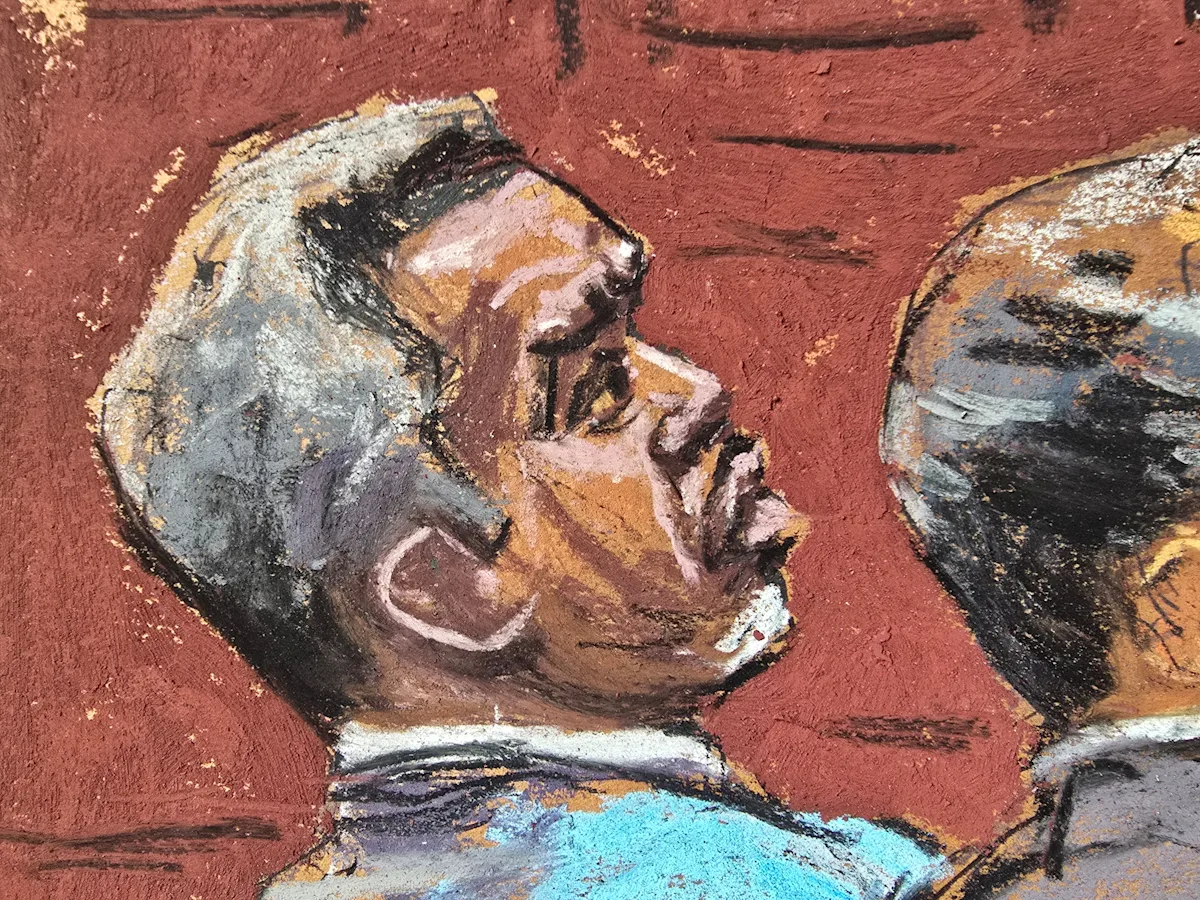
Prosecutors argued that six women came forward to seek closure after being 'haunted' by alleged crimes, while the defense emphasized Brand's lack of prior convictions and his wife's testimony. Brand denied all charges, admitting he misused his fame but insisting consent was non-negotiable. The jury is expected to deliberate starting November 3.
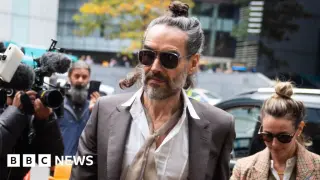
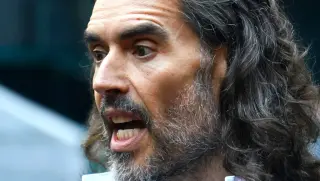
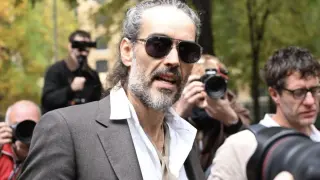
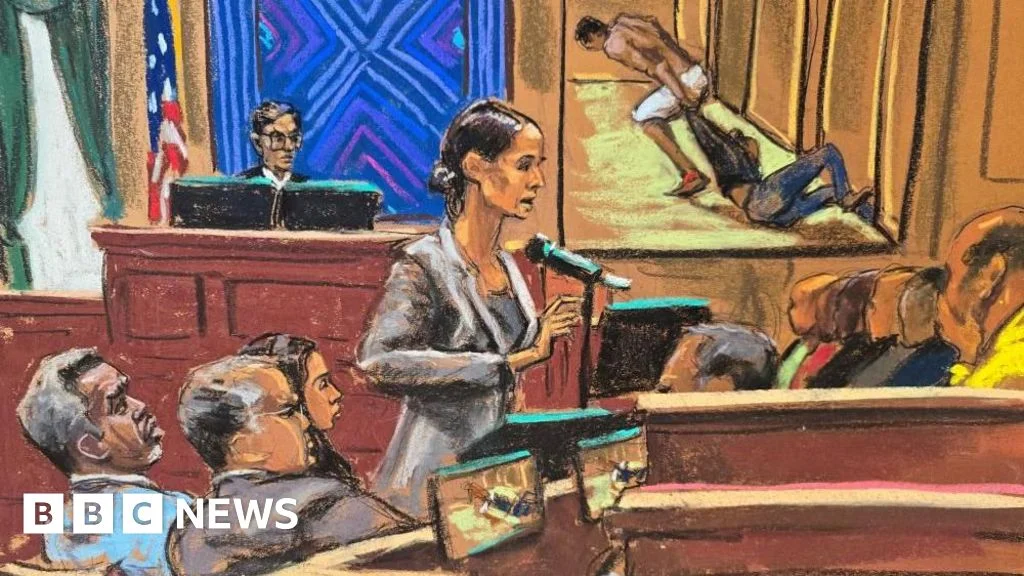
Prosecutors in the Russell Brand rape trial have weaponized a 2017 quote from The Wendy Williams Show, describing women as 'amusements' in an 'amusement park of orgasms,' to argue he viewed women as disposable commodities. During closing arguments at Southwark Crown Court, prosecutor Riel Karmy-Jones KC emphasized that the six complainants, who do not know each other, had 'nothing to gain' from testifying and were not influenced by a 2023 Channel 4 documentary. Brand, 51, faces three counts of rape, three of sexual assault, and one of attempted indecent assault, spanning 1999 to 2009. He denies all charges, having testified that he committed no offenses and that no witnesses would support him. The jury is expected to begin deliberations on November 3, 2026, after receiving legal directions from Mr Justice Bennathan requiring unanimous verdicts.
Prosecutors told jurors that Russell Brand’s defense relied on 'half-truths' spun into lies during his London rape trial. Brand faces seven charges from 1999 to 2009, including three counts of rape. The prosecution emphasized that the six accusers sought no publicity and were not influenced by a 2023 documentary. Brand’s wife testified he is a good father, but prosecutors noted she was absent during most alleged incidents. The jury is expected to begin deliberations on Tuesday.
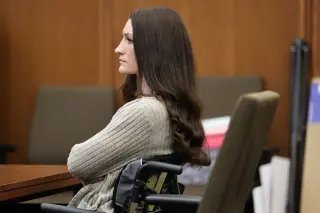
Closing arguments concluded in the Lindsay Clancy trial on August 27, 2026, with the jury beginning deliberations. Clancy, a 36-year-old former nurse, admitted to strangling her three children in January 2023 but pleaded not guilty by reason of lack of criminal responsibility, citing postpartum psychosis. The defense argued she was incapacitated by mental illness and poor medical care, while prosecutors contended the killings were calculated and intentional. The jury will decide between first-degree murder, lesser charges, or a not-guilty-by-reason-of-insanity verdict, which could lead to indefinite psychiatric commitment.
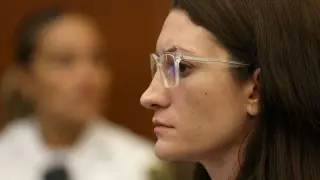
Closing arguments concluded in the trial of Lindsay Clancy, a Massachusetts mother accused of strangling her three children in 2023. The jury, composed of nine women and three men, has begun deliberations to determine if Clancy is guilty of first-degree murder, manslaughter, or not criminally responsible due to postpartum psychosis. While the defense argues she was incapacitated by severe mental illness, prosecutors contend she acted with intent and rationality. A verdict is expected in the coming days, with Clancy facing life in prison if convicted or commitment to a mental health facility if found not criminally responsible.
Testimony in the trial of Lindsay Clancy has concluded, with closing arguments scheduled for Thursday. The case centers on whether Clancy was criminally responsible for killing her three children in 2023 or if she suffered from postpartum psychosis. Prosecution expert Dr. Saathoff argued that Clancy’s claimed auditory hallucinations were inconsistent with her medical history and that the voice stopped abruptly after the killings, which he deemed unusual. Defense attorney Kevin Reddington countered that Clancy sought help for depression and suicidal thoughts, indicating she was not psychotic but rather making a deliberate choice. The jury will now decide if Clancy’s actions were driven by a mental illness that negated criminal responsibility or if she acted with full control.
In South Florida, closing arguments are underway in the trial of developer George Pino, charged with second-degree manslaughter and vessel homicide for a 2022 Boca Chita Key boat crash that killed 17-year-old Lucy Fernandez and injured another teen. After two weeks of testimony and emotional moments, the state urged jurors to find Pino responsible, saying he ignored safety rules and lied, while the defense will present its closing before the jury deliberates.
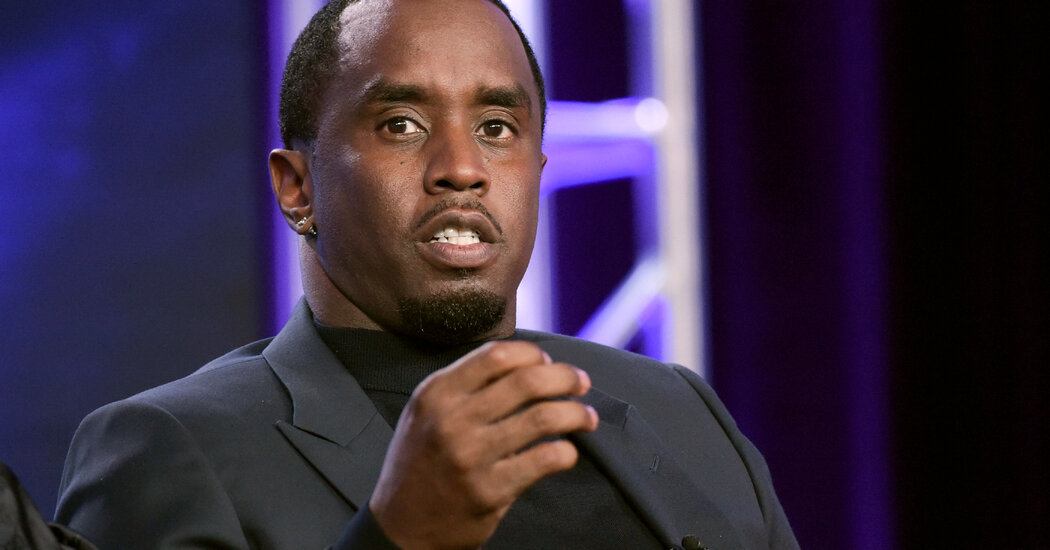
Sean 'Diddy' Combs's trial concluded with closing arguments, where he pleaded not guilty to charges of sex trafficking and racketeering, amid testimonies from ex-girlfriends alleging pressured sexual encounters; jurors are set to begin deliberation.
Sean 'Diddy' Combs is on trial for sex trafficking and related charges, with prosecutors portraying him as the leader of a criminal enterprise that coerced women into drug-fueled sexual encounters and used violence to hide his crimes. The defense is now delivering its closing arguments, and the case could result in life imprisonment if he is convicted.
The defense is set to deliver closing arguments in the sex trafficking trial of Sean 'Diddy' Combs, who faces multiple charges including racketeering and sex trafficking, with prosecutors portraying him as the leader of a criminal enterprise abusing women and using violence to conceal his crimes.
Prosecutors in Sean 'Diddy' Combs's trial presented their closing arguments, accusing him of leading a criminal enterprise involved in sex trafficking, violence, and fraud, with harrowing testimonies and evidence, while his defense argued he participated in a lifestyle and did not commit the crimes.
Sean 'Diddy' Combs is on trial in New York, facing serious charges including racketeering and sex trafficking, with prosecutors alleging he used violence and coercion to force women into unwanted sex acts. The trial has featured extensive witness testimony, including from his ex-girlfriend Cassie Ventura, and is nearing its conclusion with closing arguments underway. If convicted, Combs faces the possibility of life in prison.
Harvey Weinstein's defense has rested in his NYC rape retrial, with closing arguments underway before a jury deliberates on charges that could result in a life sentence if convicted. The case involves allegations from multiple women, with Weinstein denying all charges, and the trial is influenced by his health issues and previous convictions.
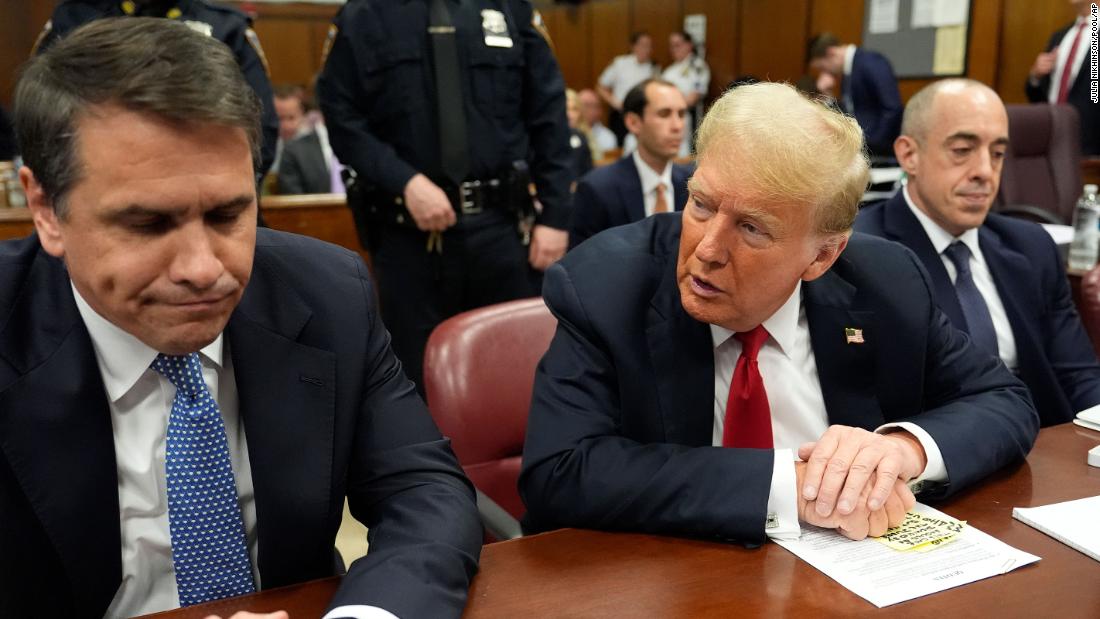
In the New York trial against Donald Trump, closing arguments were presented with the defense focusing on discrediting key witness Michael Cohen and arguing that Trump had no intent to defraud or influence the 2016 election. The prosecution countered by emphasizing the corroborative evidence and the testimonies of other witnesses, asserting that Trump falsified business records to cover up election law violations. The jury will now deliberate based on the evidence and arguments presented.
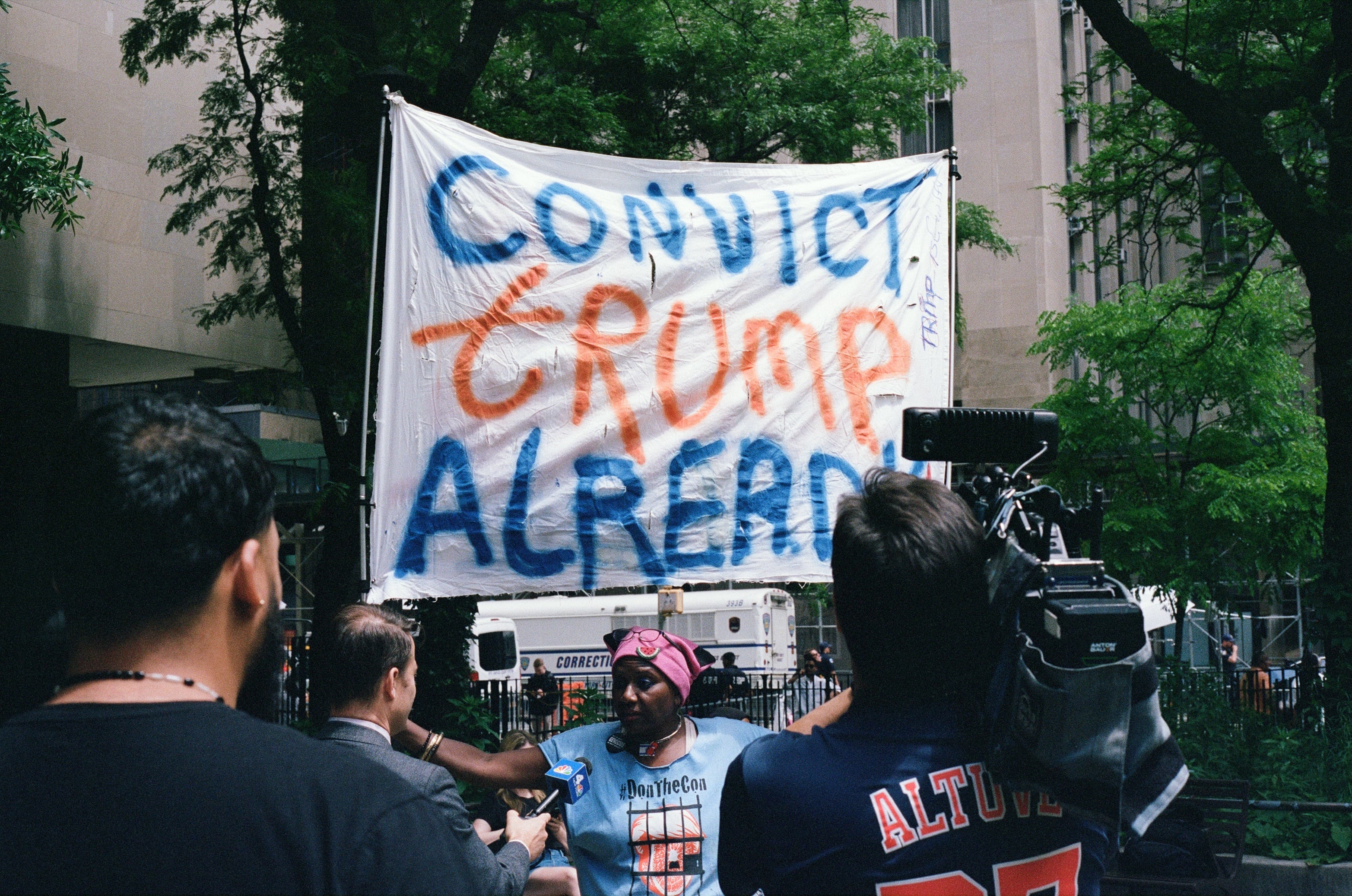
On the 21st day of Donald Trump's New York hush money trial, both the defense and prosecution delivered their closing arguments. The defense attacked the credibility of key witness Michael Cohen, labeling him the "Greatest Liar of All Time," while the prosecution argued that there is ample evidence beyond Cohen's testimony to prove Trump falsified business records to cover up a payment to Stormy Daniels. The jury is set to begin deliberations after receiving instructions from the judge.