
Closing Arguments in Russell Brand Trial Highlight 'Haunted' Accusers and Disputed Consent
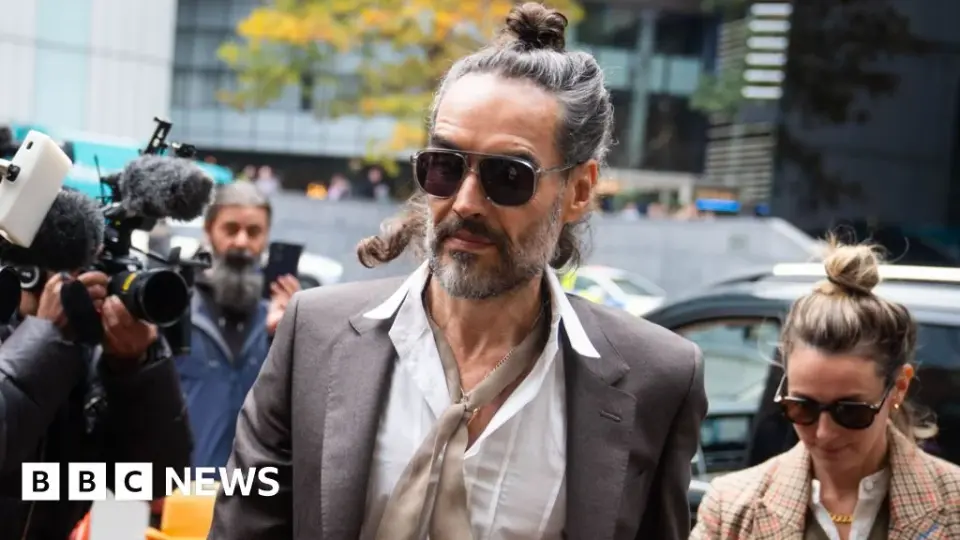
Prosecutors argued that six women came forward to seek closure after being 'haunted' by alleged crimes, while the defense emphasized Brand's lack of prior convictions and his wife's testimony. Brand denied all charges, admitting he misused his fame but insisting consent was non-negotiable. The jury is expected to deliberate starting November 3.
Key points
- Prosecutor Riel Karmy-Jones KC stated the six accusers had 'nothing to gain' but sought closure, rejecting the defense's claim that a 2023 documentary caused them to reinvent their memories.
- Brand admitted to using his fame to 'facilitate' sexual activity but maintained that 'consent is fundamental' and denied all seven charges, including three counts of rape.
- Laura Brand testified that her husband is a 'wonderful father' and 'amazingly attentive husband,' though she acknowledged he cheated early in their relationship and was not present during most alleged incidents.
- The defense highlighted that Brand has no prior sexual convictions, only a 1995 fine for cannabis possession, while the prosecution used his 2017 Wendy Williams interview to argue he viewed women as 'disposable.'
- Judge Mr Justice Bennathan instructed jurors that they must reach unanimous verdicts on each charge, with deliberations expected to begin on November 3.
Background
The trial at Southwark Crown Court began on October 12, 2026, following a 2023 Channel 4 documentary and media reports that prompted multiple women to come forward. Earlier testimony detailed alleged offenses spanning 1999 to 2009, including incidents at workplaces like MTV and Capital Radio, as well as at Brand's home. The prosecution has characterized Brand as a 'sexual predator' who abused power dynamics, while Brand has consistently maintained that all interactions were consensual.
How outlets are covering it
The BBC and Deadline emphasized the emotional impact on the accusers, with the prosecutor describing them as 'haunted' for years. The Guardian focused on Brand's demeanor, noting his shift from confident answers to long silences during cross-examination, and highlighted his admission that he misused his 'commodity' of fame. Variety reported that Brand was the only witness for the defense, as no one else agreed to testify on his behalf. All sources agree that the prosecution used Brand's own writings and interviews, such as his 2007 book and 2017 Wendy Williams appearance, to argue he viewed women as objects for sexual conquest, while the defense countered that he has changed and now respects consent.
Why it matters
The trial tests the legal boundaries of consent in power-imbalanced relationships and the impact of media exposure on criminal proceedings. The outcome will determine whether Brand's admission of misusing fame constitutes evidence of non-consensual acts, and whether the prosecution can prove that the women's delayed reporting was due to trauma rather than external influence. The case also highlights the role of character evidence and personal relationships in high-profile sexual assault trials.
What to watch
The defense is expected to deliver its closing speech when the trial resumes on Monday, November 2. Jurors will begin deliberations on Tuesday, November 3, and must reach unanimous verdicts on each of the seven charges. If convicted, Brand could face significant prison time; if acquitted, he will be cleared of all allegations.
- Russell Brand accusers 'haunted' for years by alleged crimes, court hears BBC
- Russell Brand says friends abandoned him after 'devastating' sex crime allegations Reuters
- Florid language and long silences: five things we learned from week three of Russell Brand’s rape trial The Guardian
- Russell Brand Takes Stand in Rape Trial, No One Else Testifying Variety
- Russell Brand Trial: Prosecution Weaponizes Wendy Williams Interview Deadline
Want the full story? Read the original reporting
Read on BBC