
Reality star Angel Victoria Murdock faces legal risk after faking Duke PA degree and real estate license
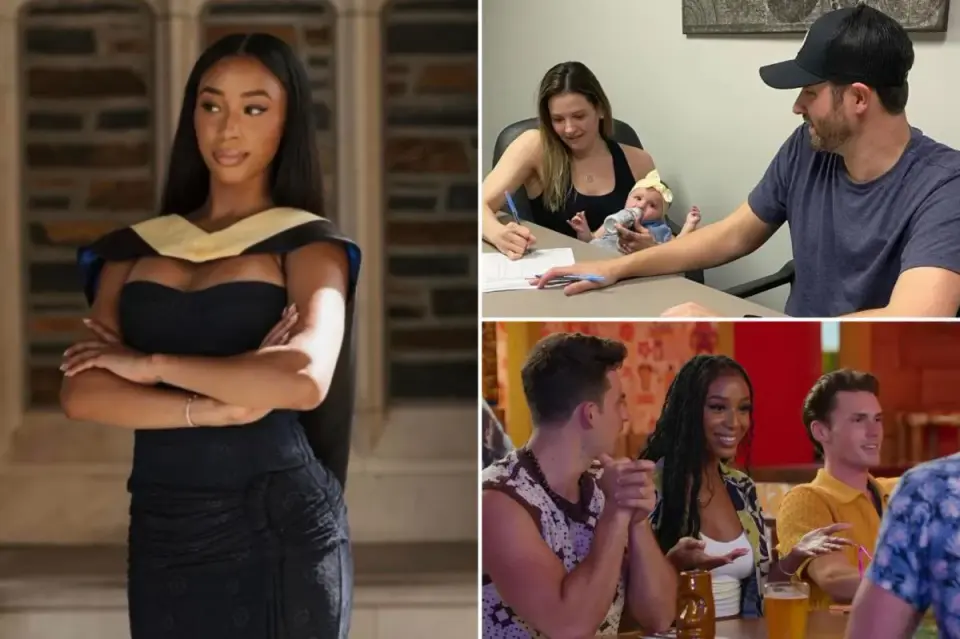
Angel Victoria Murdock, a 26-year-old social media personality and former 'Temptation Island' contestant, has been exposed for fabricating her education and professional credentials. She falsely claimed to have graduated from Duke University’s Physician Assistant program and to be a licensed realtor in North Carolina and Georgia. Duke University confirmed she never applied to or attended the school, while state databases show she holds no real estate license. The deception, which included posting fake graduation photos and client testimonials, has led to the deactivation of her social media accounts and potential criminal liability for impersonating a broker.
Key points
- Murdock posted photos in a graduation gown, claiming to have completed Duke’s Physician Assistant program, but the university confirmed no record of her application or attendance exists.
- Graduates of the 2026 Duke PA class identified the fraud, noting her gown color was incorrect and she was absent from the official class photo and ceremony.
- She claimed to be a licensed realtor in North Carolina and Georgia, posting listings for properties worth $300,000 and boasting of monthly earnings up to $7,200, but she is not listed in state licensing databases.
- Impersonating a real estate broker is a Class 1 misdemeanor in North Carolina, potentially resulting in jail time, while Georgia offenses carry fines.
- Murdock also falsely claimed a double major in Psychology and Biology at the University of North Carolina at Charlotte, from which she actually dropped out.
- Her main TikTok and Instagram accounts were deactivated following the backlash, and she has not responded to requests for comment.
Background
Murdock gained visibility in 2025 by appearing as a 'temptress' on six episodes of the Netflix dating show 'Temptation Island.' She built a following of over 300,000 by promoting a 'hard-work-pays-off' narrative centered on her alleged high-end real estate business and elite academic pursuits. This incident follows a broader pattern of scrutiny regarding authenticity in reality television and influencer culture, where personal branding often relies on curated, and sometimes fabricated, life milestones.
How outlets are covering it
The New York Post emphasizes the legal ramifications of Murdock’s actions, highlighting that impersonating a real estate broker could lead to jail time in North Carolina and fines in Georgia. They note that Howard Hanna Allen Tate Real Estate confirmed she was never employed there. Black America Web focuses on the social media aspect of the scandal, detailing how the class historian, Kiera Brown, identified the fraud by noticing Murdock copying content from her own posts about clinical rotations. Both sources agree that the deception was exposed by actual Duke PA graduates who recognized the inconsistencies in her online presence, such as the wrong gown color and her absence from the class photo. The New York Post notes that Murdock’s accounts were deactivated, while Black America Web highlights the public outrage on social media platforms like TikTok.
Why it matters
This case highlights the legal and reputational risks of fabricating professional credentials in the digital age. For Murdock, the consequences extend beyond social media backlash to potential criminal charges for impersonating a licensed professional. It also underscores the importance of verifying credentials in high-stakes fields like healthcare and real estate, where trust and licensure are critical. The incident serves as a cautionary tale for influencers who build their personas on unverified achievements, as the erosion of public trust can have lasting impacts on their careers and legal standing.
What to watch
Murdock may face legal action if victims of impersonation come forward, as the Charlotte-Mecklenburg Police Department indicated they would take the matter seriously. The National Association of Realtors may also pursue action regarding the misuse of the 'REALTOR' trademark. Murdock has not responded to requests for comment, and her social media accounts remain deactivated. The Duke University PA program may issue a formal statement or take action to protect the integrity of their credentials. The public may continue to scrutinize other influencers for similar fabrications, leading to increased demand for verification of professional and academic claims online.
- Reality star Angel Victoria Murdock faked graduating Duke — but an even bigger lie could land her in real trouble New York Post
- A Netflix Reality Show Contestant Claimed to Be a Duke PA Student for 2 Years. The School Says She Never Attended inc.com
- Netflix Star Accused Of ‘Cosplaying’ Duke PA Student, Never Applied BIN: Black Information Network
- Physician Assistant Graduate from Duke Accuses Influencer of Faking Credentials The Mary Sue
- ‘Temptation Island’ Guest Caught In PA Program Lie At Duke Black America Web
Want the full story? Read the original reporting
Read on New York Post