
Chicago voters face vague referendum on permanent festival grounds
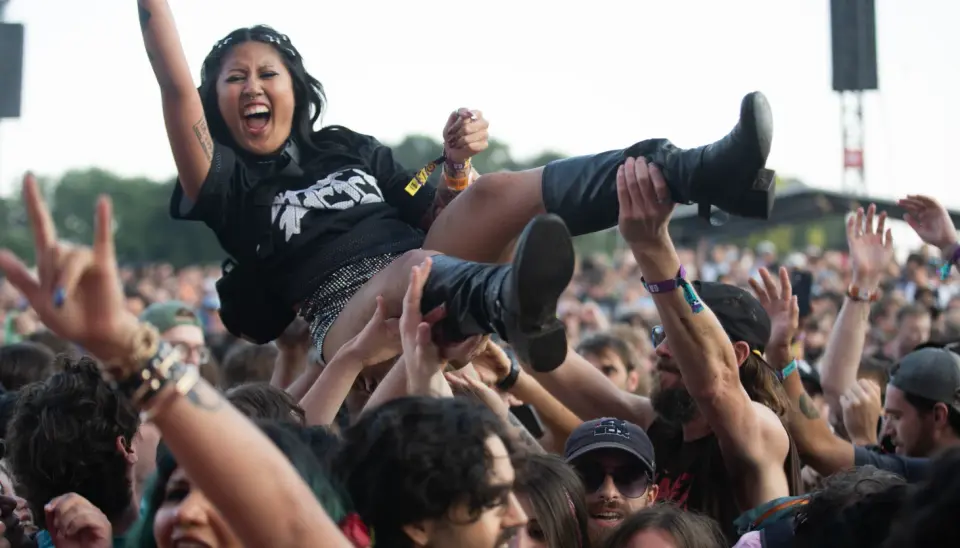
Chicago voters will decide on November 3 whether the city should create a permanent site for large-scale festivals, a nonbinding measure introduced by Ald. Nicole Lee. The proposal lacks details on location or funding, emerging from public frustration over damage to parks like Grant Park and Douglass Park by events such as Lollapalooza and Riot Fest. While supporters cite Milwaukee’s model, critics warn of private corporate control and unclear next steps.
Key points
- The nonbinding ballot measure asks if Chicago should develop a permanent festival and outdoor event space for large-scale gatherings.
- Ald. Nicole Lee introduced the resolution, stating she is unsure if hosting festivals in city parks is a good investment, but has no specific site in mind.
- The measure does not specify who would operate the venue, whether the city would own it, or how it would be funded.
- Recent rainy weekends left Grant Park and Douglass Park muddy, prompting complaints from residents and accessibility concerns.
- A Vanderbilt University report found that half of Live Nation’s amphitheaters are publicly owned, with cities subsidizing the corporation by over $420 million nationwide.
- The Chicago Tribune editorial board endorsed voting no, while advocacy groups like Únete La Villita support the measure but demand community involvement in future planning.
Background
This debate follows years of tension between private festival organizers and public park usage in Chicago. Previous coverage highlighted concerns over the environmental impact of large events and the financial arrangements between the city and corporate operators like Live Nation. The current measure arrives amid broader scrutiny of how public spaces are utilized for private profit, echoing national discussions about public-private partnerships in entertainment venues.
How outlets are covering it
The Chicago Sun-Times and WBEZ present the measure as a response to public pushback against privately run festivals damaging public spaces, noting the lack of specific details in the proposal. Hoodline emphasizes the timing, linking the question to a rainy summer that left parks in poor condition, and highlights the uncertainty regarding who would build or run the facility. The Chicago Tribune, cited by Hoodline, opposes the measure, while advocacy groups like Únete La Villita support it but demand transparency and community input to prevent backroom deals. The Sun-Times and WBEZ both reference the Vanderbilt report, which criticizes the current arrangement with Live Nation for favoring the corporation through below-market rent and exclusive artist booking.
Why it matters
The outcome will signal public sentiment on the use of public parks for private events and the potential for a new model of public ownership for large-scale entertainment. A yes vote could lead to future debates on site selection, funding, and operational control, potentially shifting away from the current contract-based model that critics argue benefits corporations at the expense of the public.
What to watch
If voters approve the measure, the city must determine the location, funding source, and operational model for the new venue. Advocacy groups are pushing for a site near public transportation and full accessibility, with possible locations including Soldier Field, the 78 development, or the former Damen Silos site. The city may need to negotiate new contracts or establish a nonprofit operator, similar to Milwaukee’s model, to ensure public benefit and prevent corporate monopolies.
Want the full story? Read the original reporting
Read on Chicago Sun-Times